
Salamanders and Newts
Explore caudate amphibians such as salamanders and newts. Legs, tails, gills, metamorphosis and use of water and land vary with species and life stage. Regeneration also has limits defined by species and conditions, so do not describe unlimited powers of recovery.
Published animal profiles
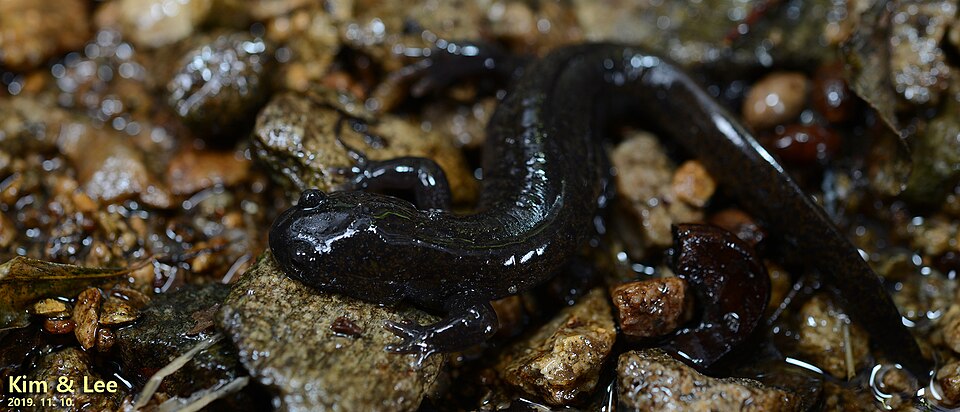
Korean Salamander
Close species in Hynobius are not easily distinguished by appearance alone. The species covered here under the common name Korean salamander is Hynobius leechii. Its range includes the Korean Peninsula and northeastern China, so it should not be described as endemic only to the Republic of Korea.
Read the guide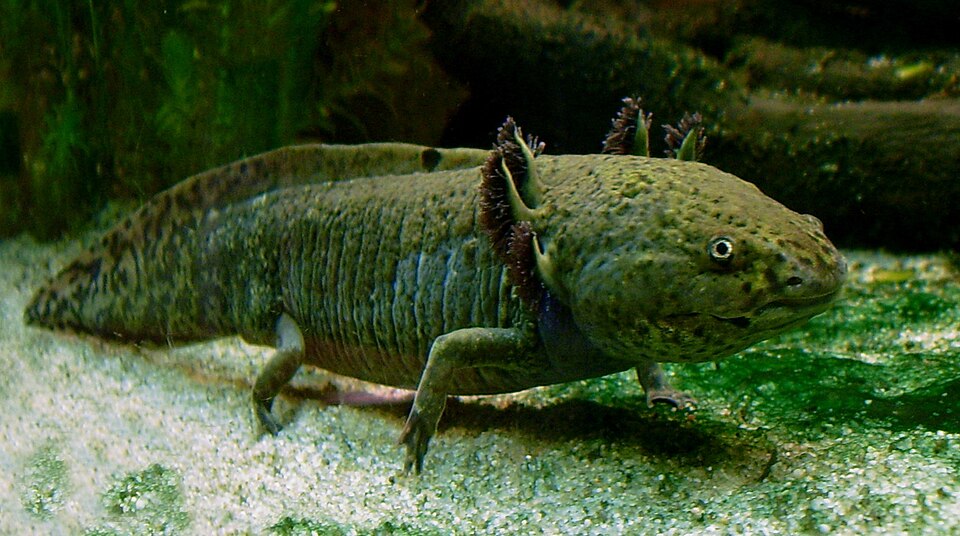
Axolotl (Wooper Looper)
A Mexican aquatic salamander retaining external gills at maturity. The axolotl is a salamander associated with the aquatic environment of Xochimilco, Mexico. Wooper Looper is a widely used nickname, not a classification as a fish or a separate pet breed.
Read the guide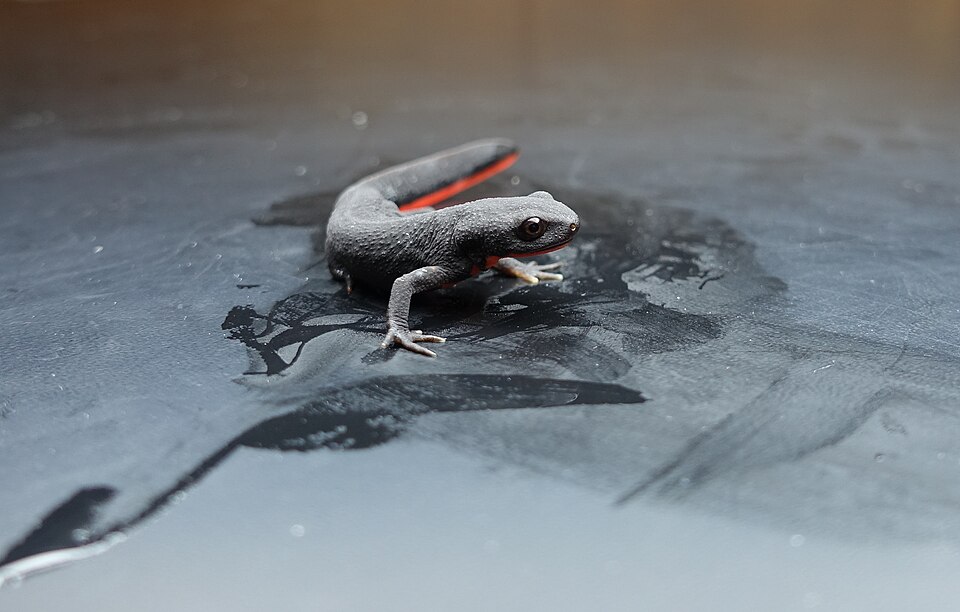
Fire-bellied newt
Warning colours on the belly and seasonal life in water and on land. Fire-bellied newt names several similarly coloured newts; this page uses the Chinese species Hypselotriton orientalis, formerly Cynops orientalis.
Read the guide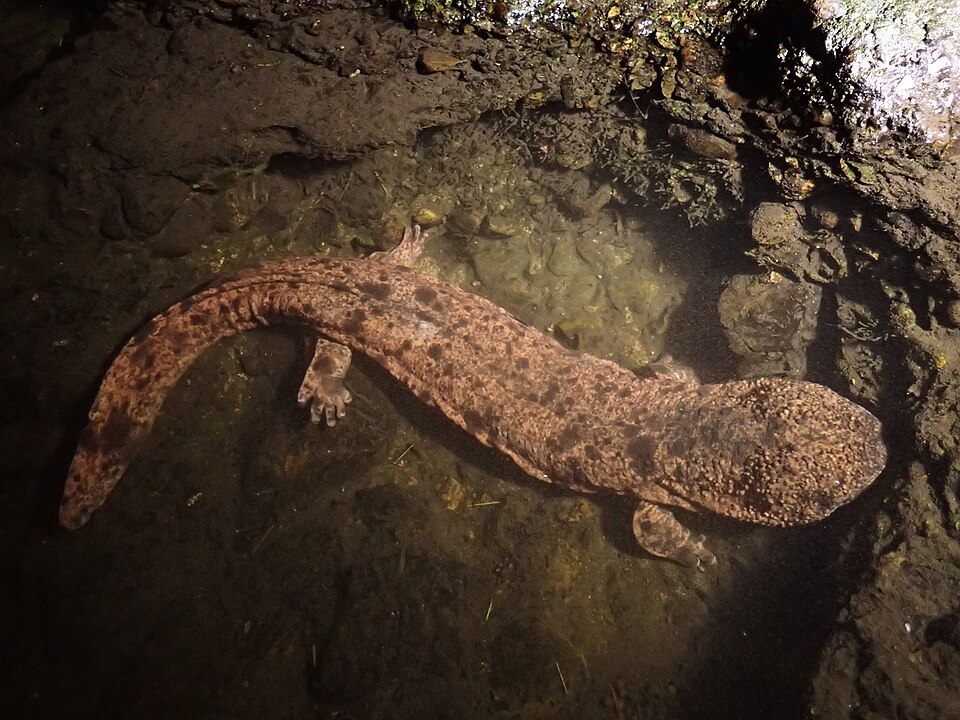
Japanese giant salamander
A flattened body in flowing water: distinguish Japanese from Chinese giant salamanders. This page uses the Japanese giant salamander, Andrias japonicus, as its representative of the broad giant salamander name. It is a large amphibian associated with Japanese rivers, rather than the same species as ordinary salamanders native to Korean valleys.
Read the guide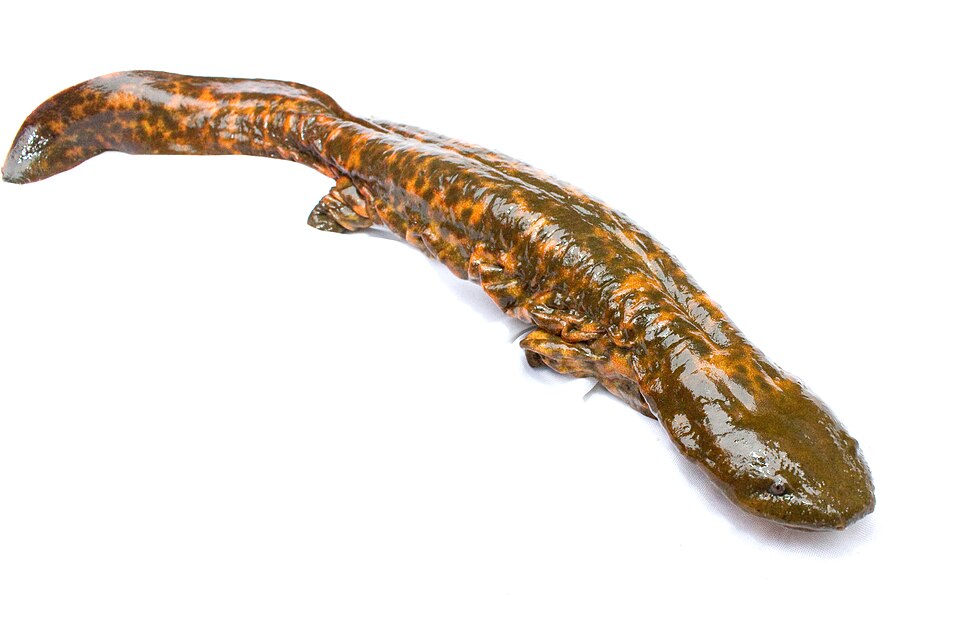
Hellbender
Spaces beneath rocks and folded skin matter for a large North American salamander. The hellbender is related to giant salamanders of Japan and China but is a separate species.
Read the guide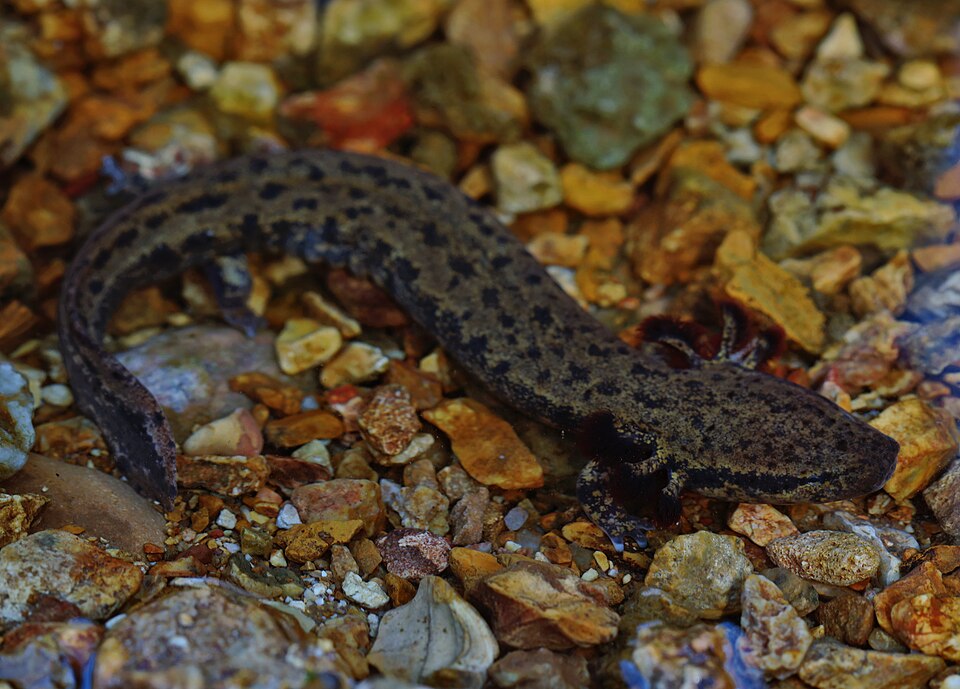
Mudpuppy
Adults retain external gills throughout an aquatic life. The mudpuppy is a salamander living in water throughout life; adult external gills do not mean it is still young.
Read the guide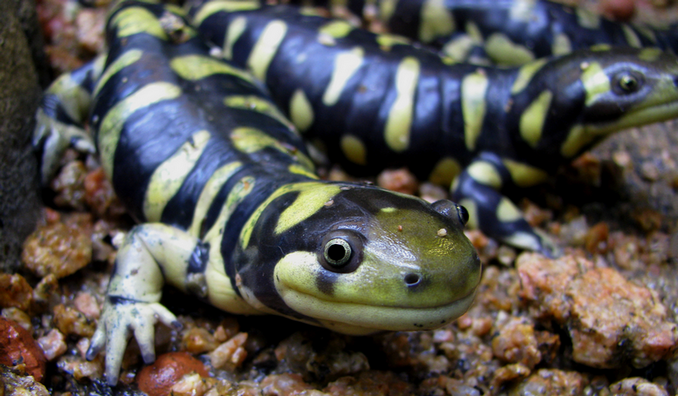
Tiger salamander
Underground adults and aquatic larvae differ with region and life history. Tiger salamanders belong to Ambystoma; compare formerly broad populations with current distinctions among close species.
Read the guide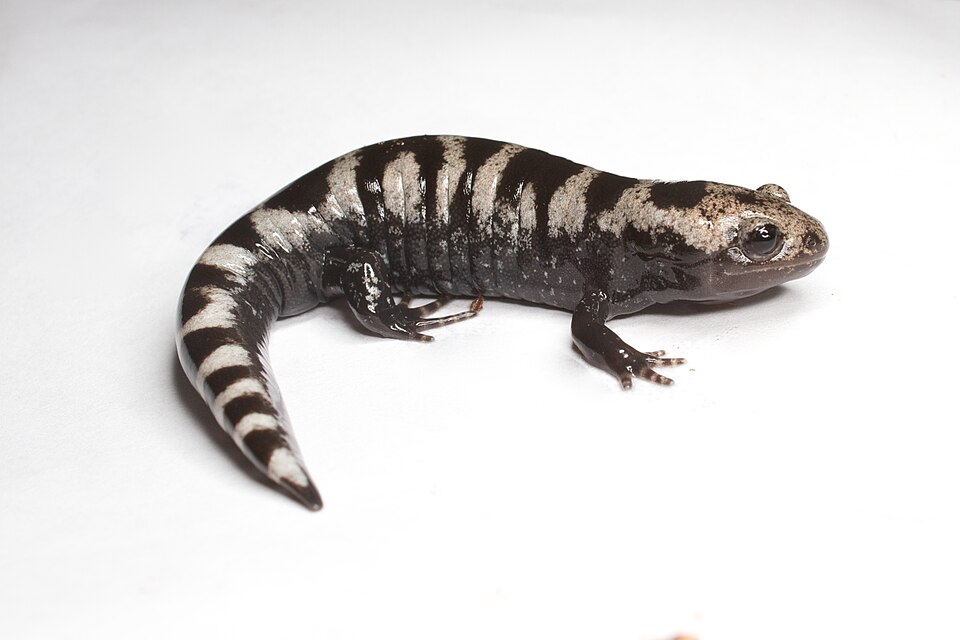
Marbled salamander
Autumn breeding and eggs laid in low ground before flooding. Ambystoma opacum is named for contrasting marble-like body markings.
Read the guide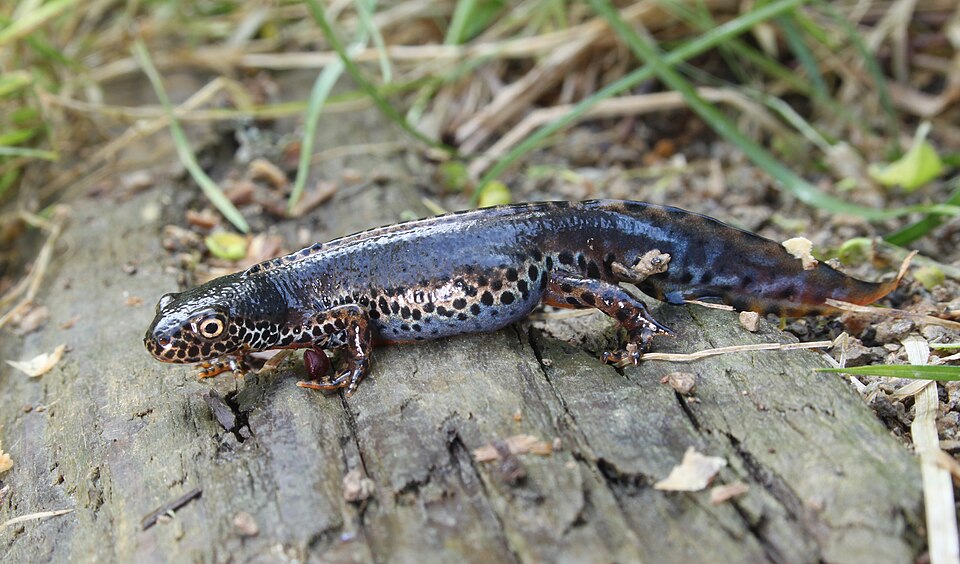
Alpine newt
Breeding colours and seasonal life: Alpine does not mean mountaintops alone. The Alpine newt is a European salamander, called Triturus alpestris in older sources.
Read the guide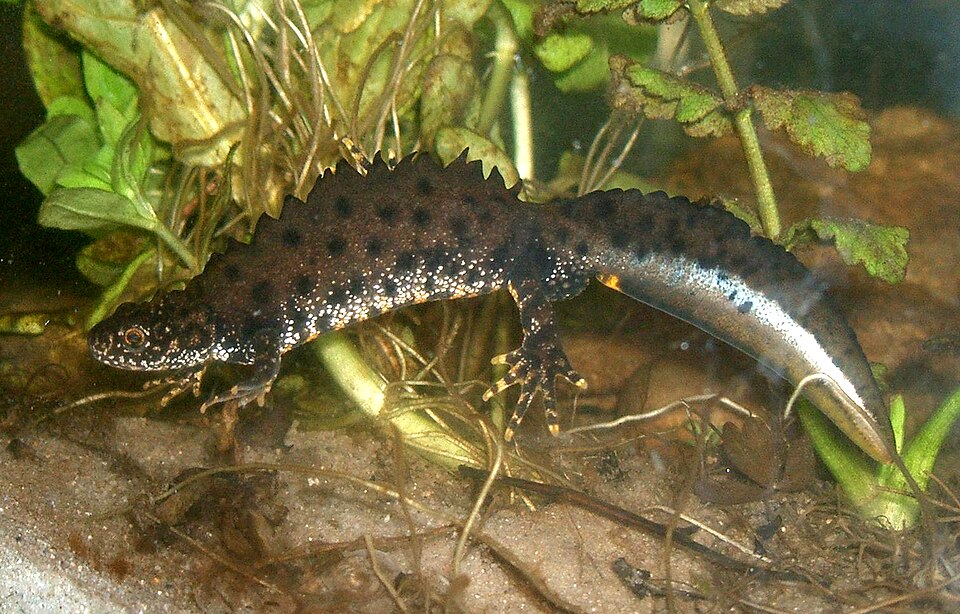
Crested newt
A tall crest belongs to breeding males: consider the great crested newt's seasons. Crested newt covers several relatives; this entry describes Triturus cristatus.
Read the guide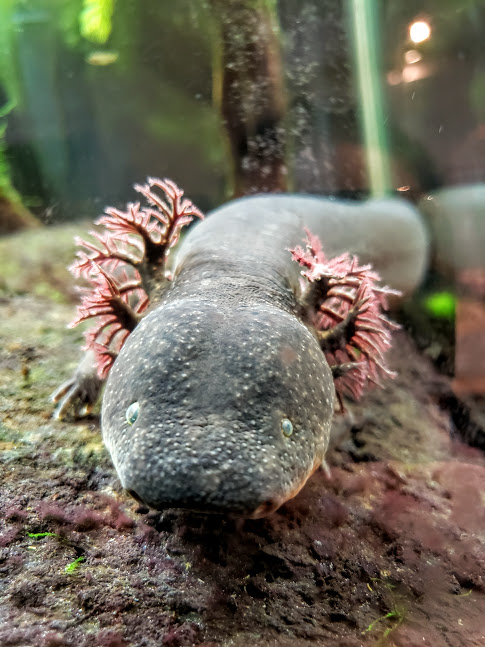
Siren salamander
An aquatic salamander has external gills and small forelimbs but no hind limbs. This page describes the greater siren, Siren lacertina.
Read the guide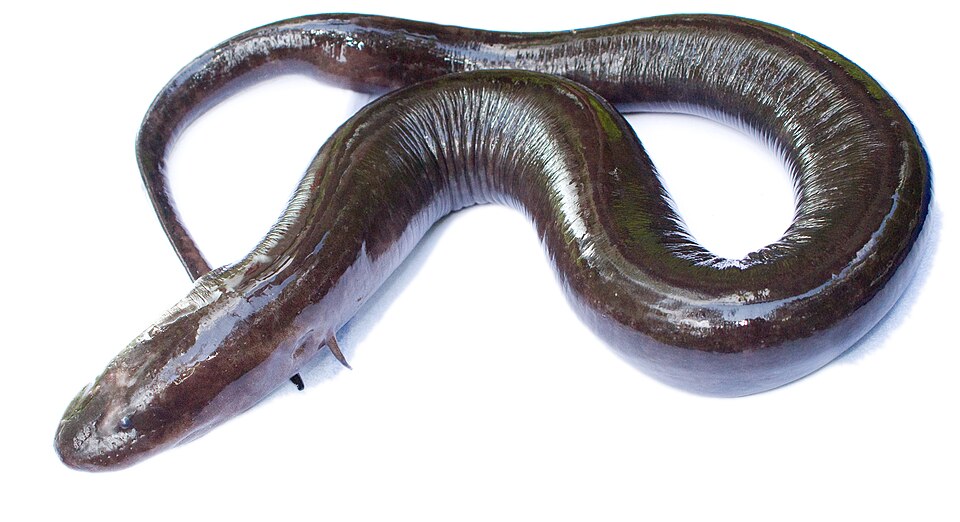
Amphiuma
Four tiny limbs on a long body: the two-toed amphiuma is the representative. Amphiumas are elongated aquatic salamanders; this page distinguishes Amphiuma means from other species.
Read the guide