
Birds
Explore classification, origins, appearance, behavior, observation and care through the published animal profiles for birds.
Browse categories
Published animal profiles
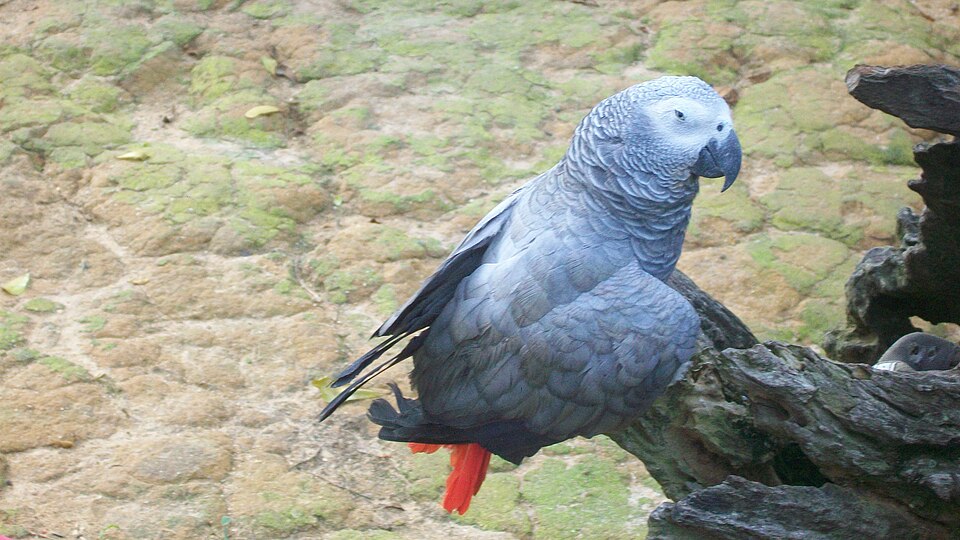
Grey parrot
Grey plumage and a red tail introduce the grey parrot and its wider relatives. Parrot is a broad name encompassing many species.
Read the guide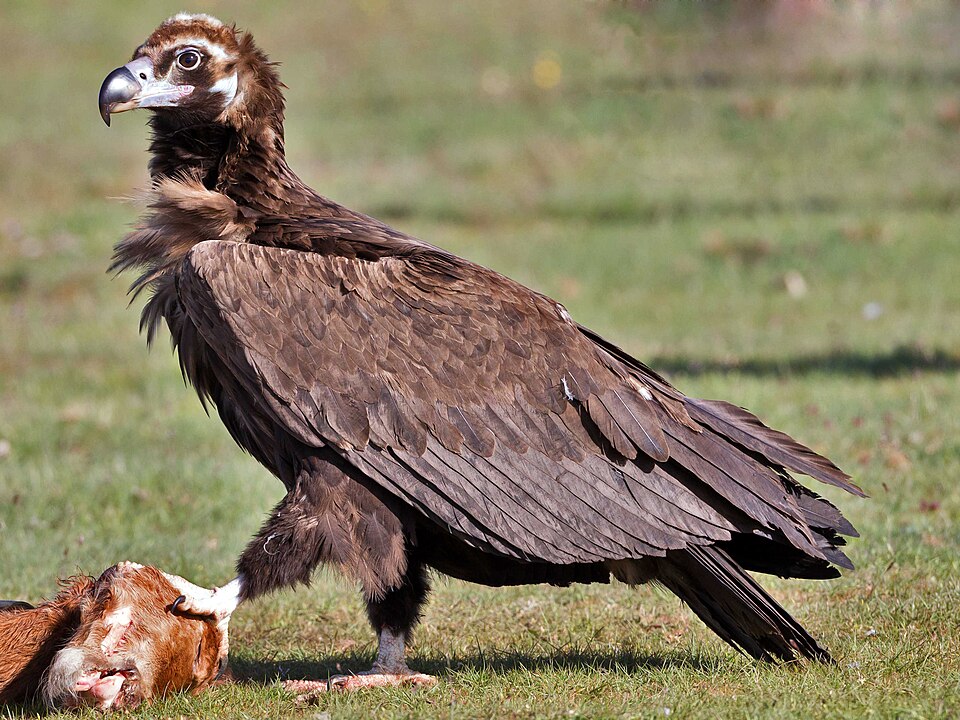
Cinereous vulture
The cinereous vulture rides rising air to search for carcasses. The Korean name for this bird refers to Aegypius monachus, corresponding to cinereous vulture rather than eagle in English.
Read the guide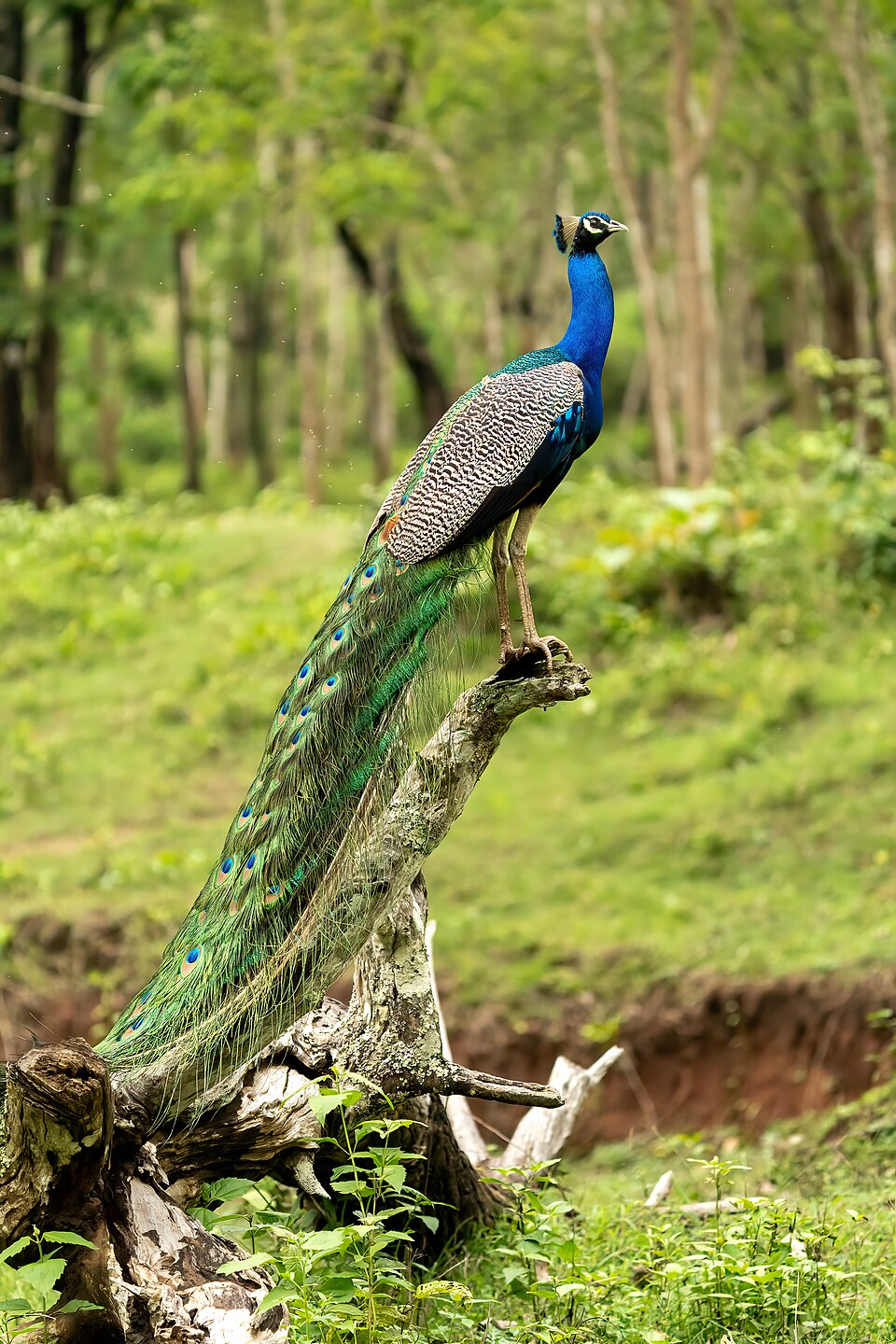
Indian peafowl
Indian peafowl plumage varies with sex and the breeding season. Peafowl include different species, such as Indian and green peafowl.
Read the guide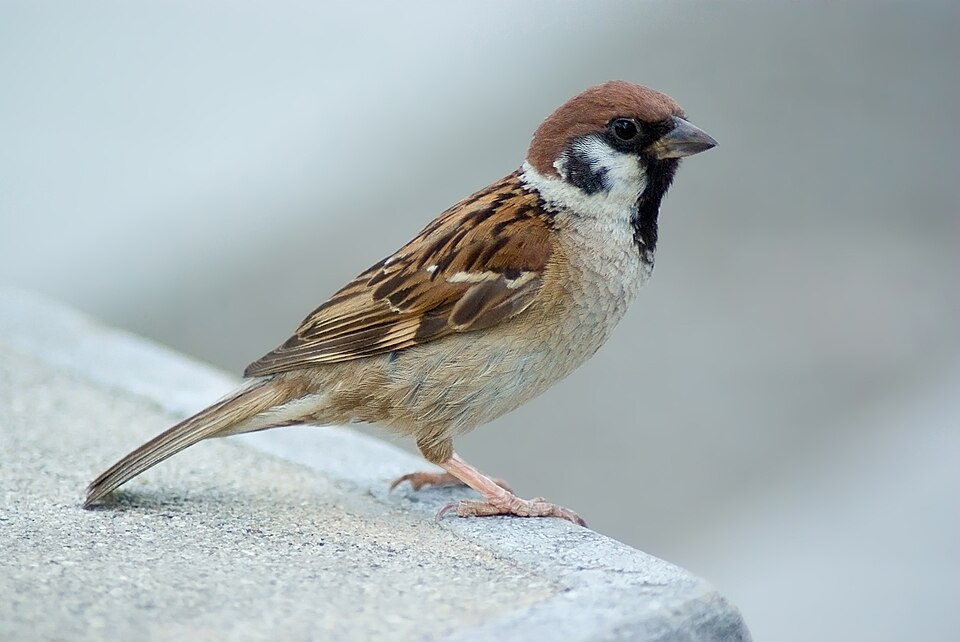
Eurasian Tree Sparrow
A sparrow with a brown crown and black cheek spots. The bird commonly called chamsae in Korea is the Eurasian tree sparrow, Passer montanus.
Read the guide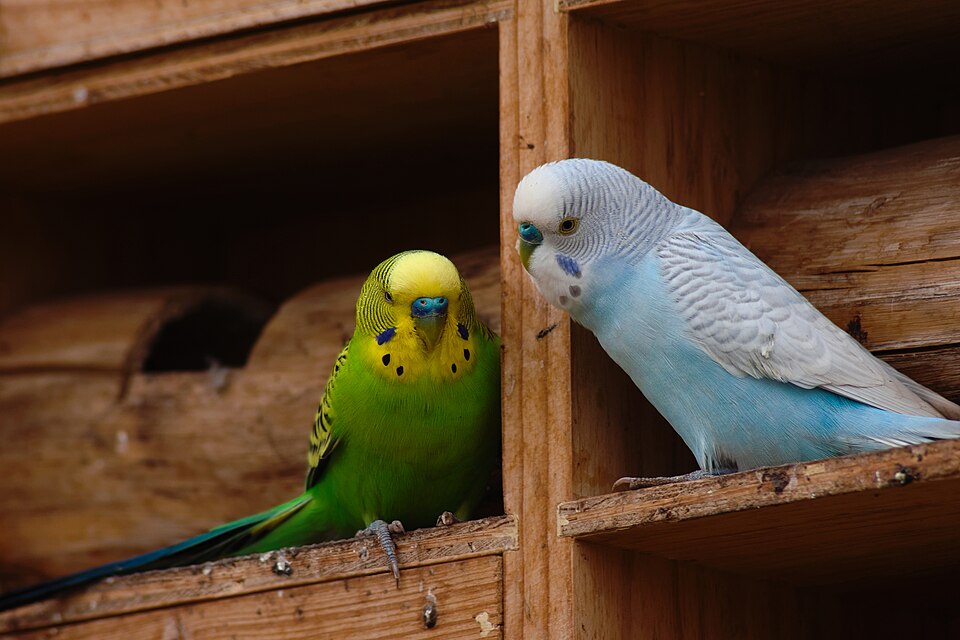
Budgerigar
Budgerigar flocks move in search of water and seeds. This small Australian parrot is a different species from lovebirds.
Read the guide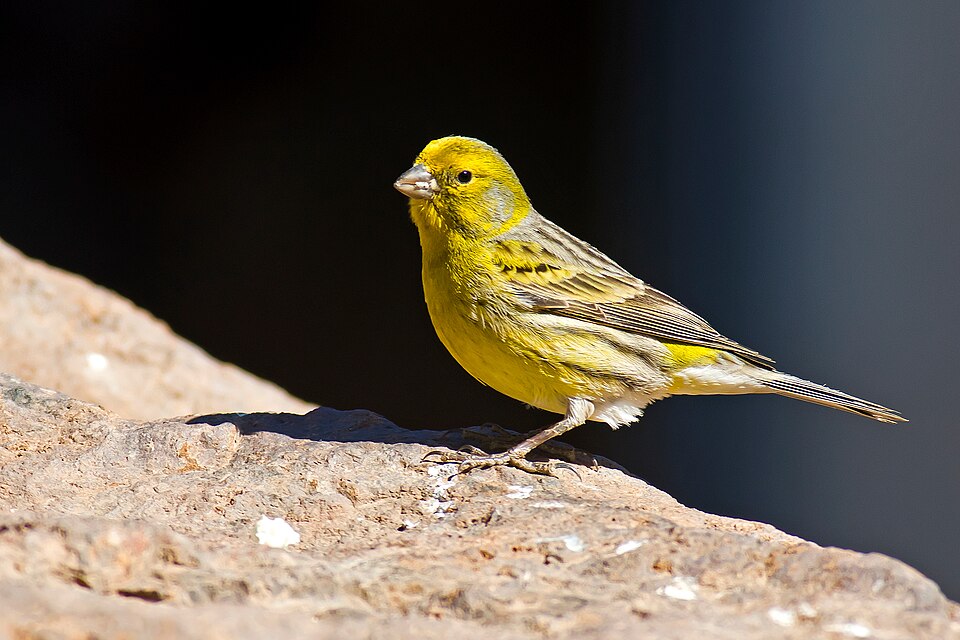
Canary
Distinguishing wild greenish-brown canaries from yellow captive forms. The canary is a finch derived from wild populations of the Canary Islands, Madeira and the Azores in the Atlantic.
Read the guide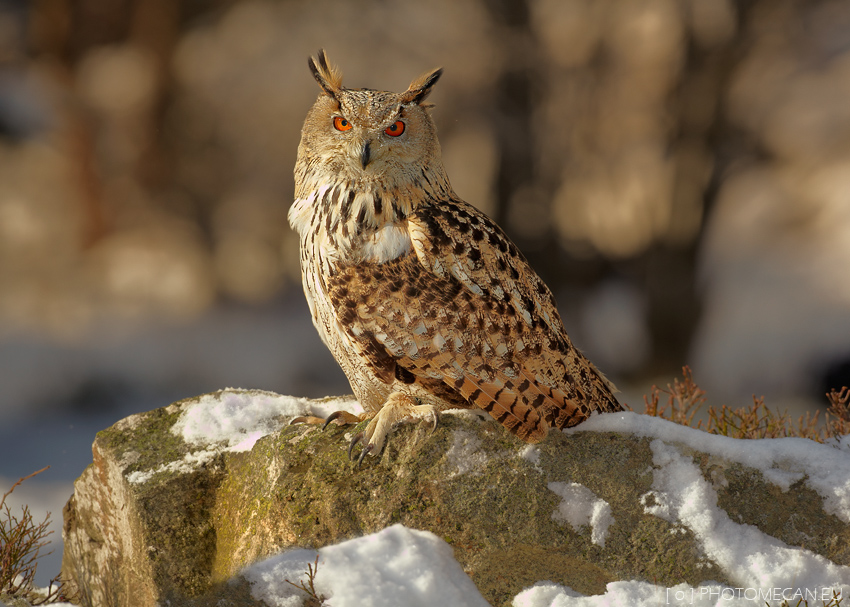
Owl (Eurasian Eagle-Owl)
Understanding owls through the tufted, nocturnally hunting Eurasian eagle-owl. Owls encompass many species; this entry uses the Eurasian eagle-owl, Bubo bubo, as an example.
Read the guide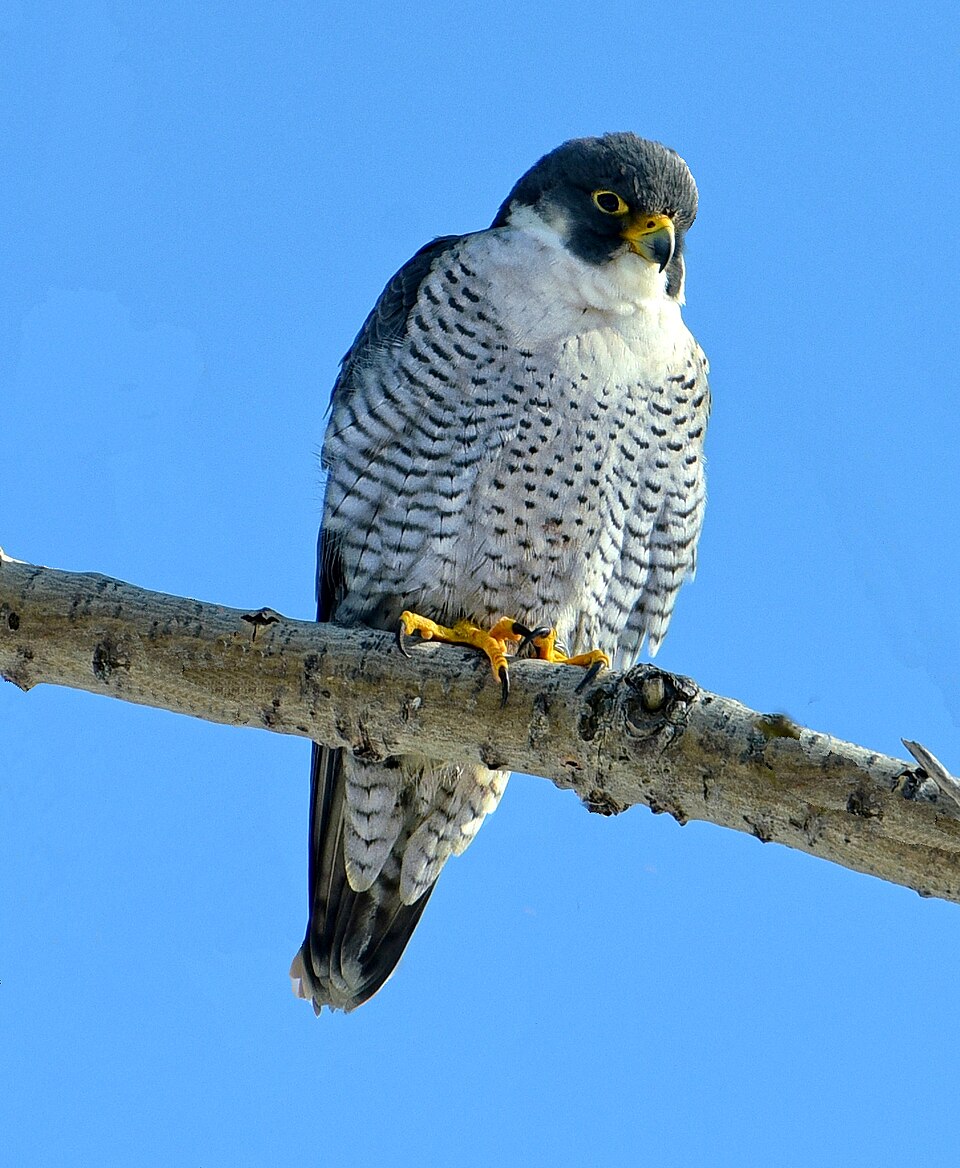
Peregrine Falcon
A peregrine falcon's pointed wings and aerial hunting. This entry covers the peregrine falcon Falco peregrinus.
Read the guide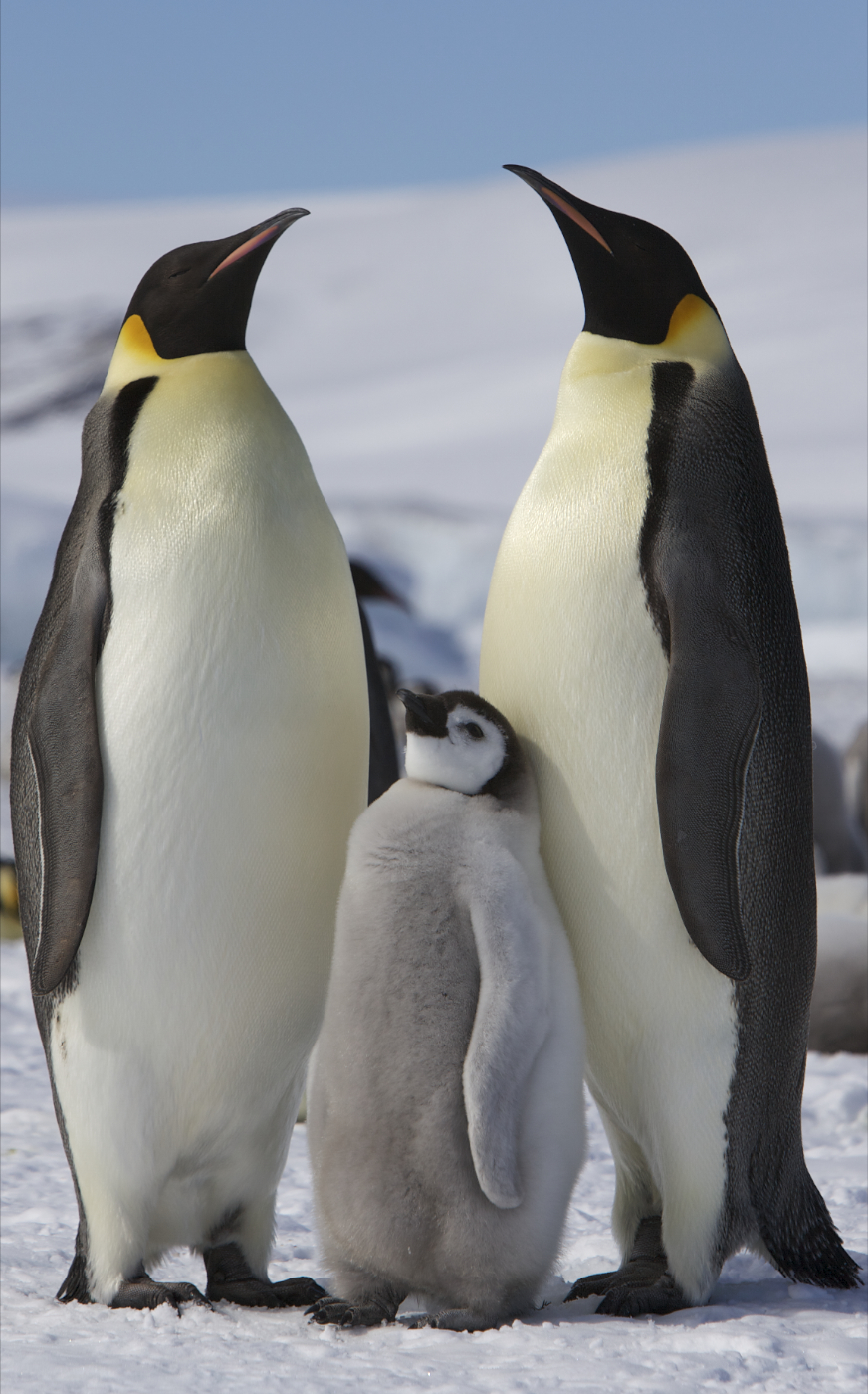
Penguin
Emperor penguins breed on sea ice. Penguins comprise several species, and they do not all live on Antarctic ice.
Read the guide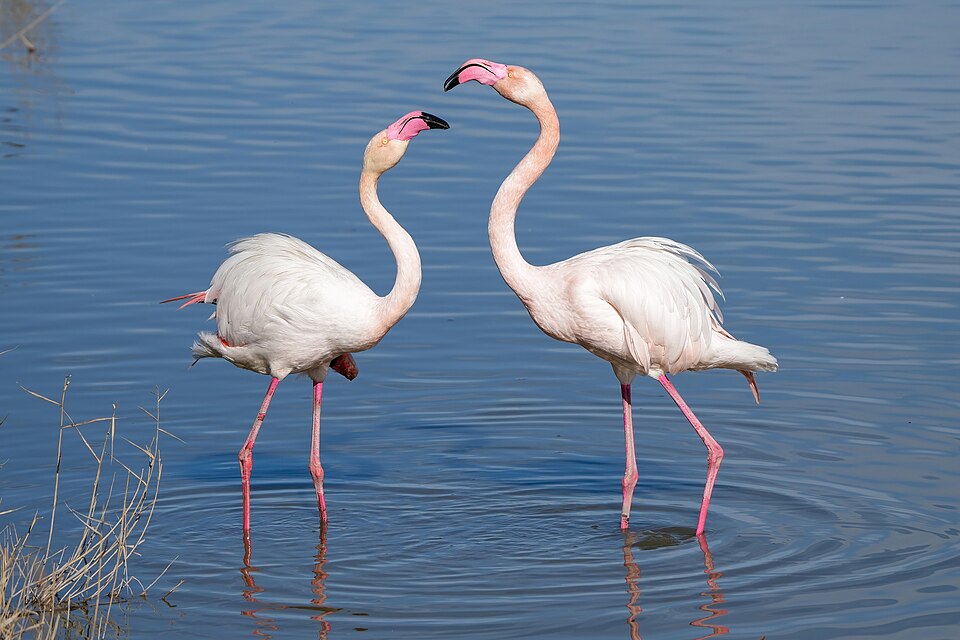
Flamingo
Greater flamingos filter small foods with their bills. There are several flamingo species; this page focuses on the greater flamingo, Phoenicopterus roseus.
Read the guide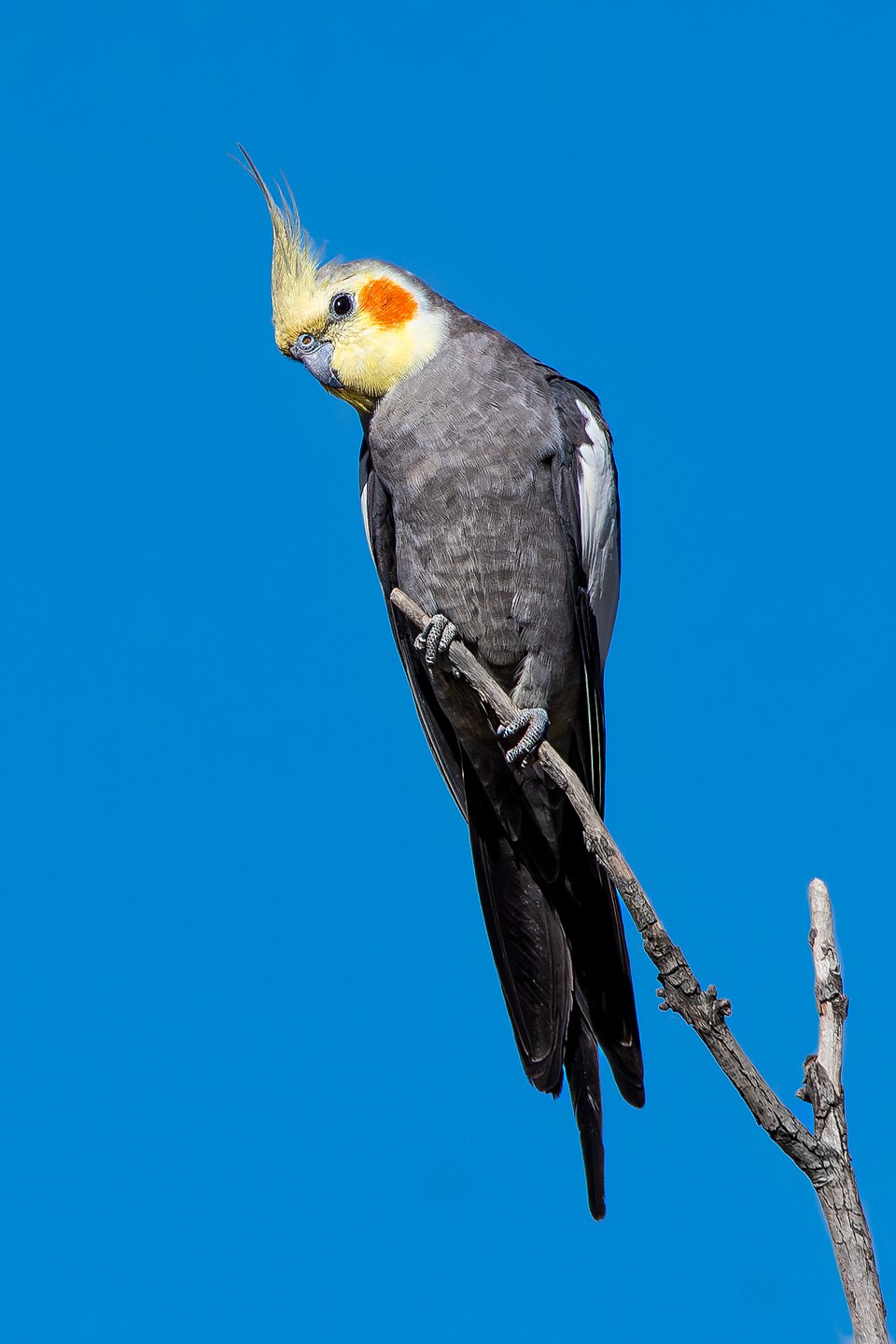
Cockatiel
Cockatiels have a movable crest and a long tail. This Australian parrot uses open woodlands and waterside habitats in the dry interior.
Read the guide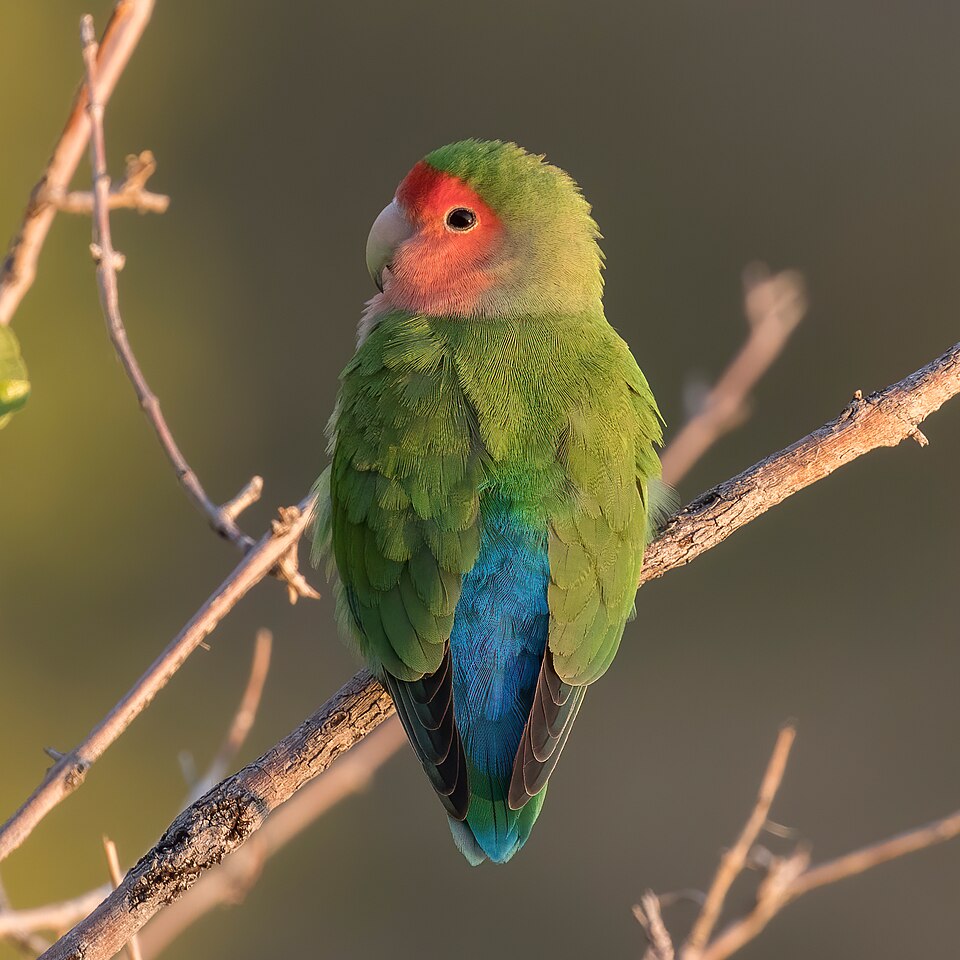
Lovebird
A rosy-faced lovebird has a short tail and a pink face. Lovebirds include several species in the genus Agapornis; this entry focuses on Agapornis roseicollis.
Read the guide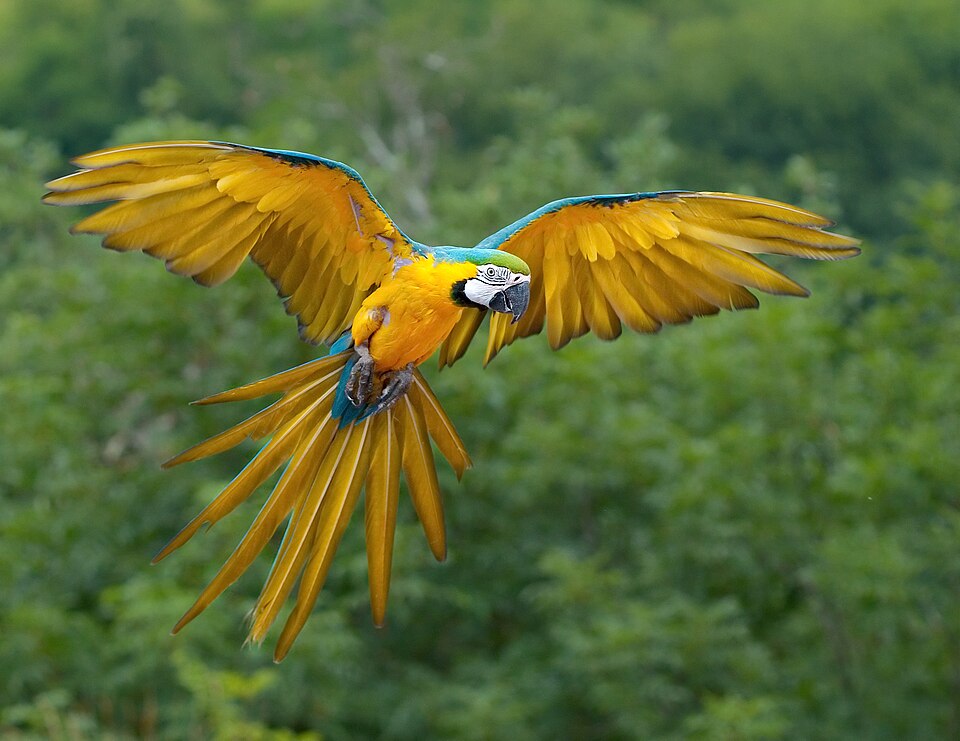
Macaw
Blue-and-yellow macaws have blue backs and yellow underparts. The name macaw includes several large parrots with different appearances, including red and blue forms.
Read the guide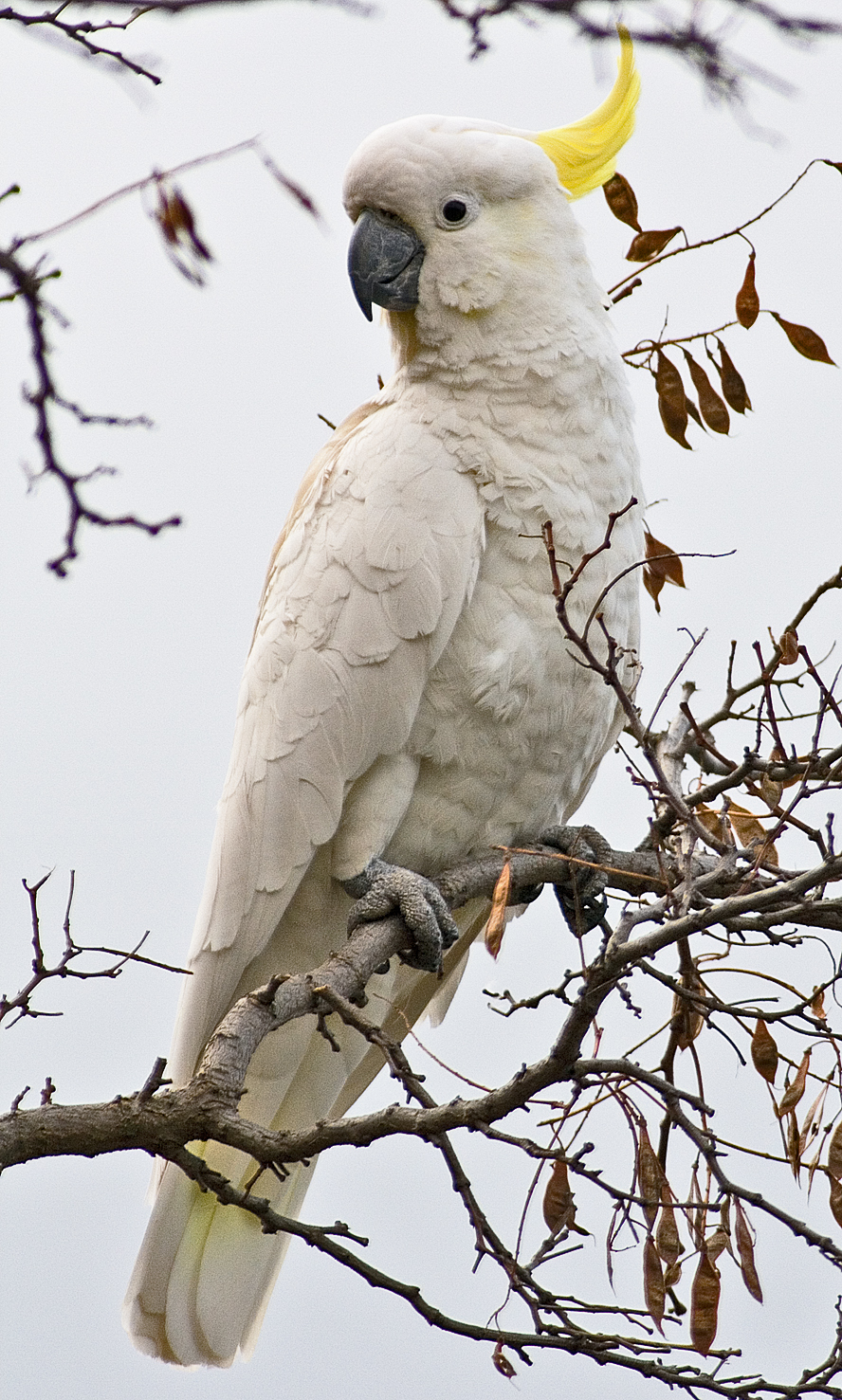
Sulphur-crested cockatoo
A sulphur-crested cockatoo has a yellow crest and white body. The species Cacatua galerita is narrower in scope than the English term cockatoo.
Read the guide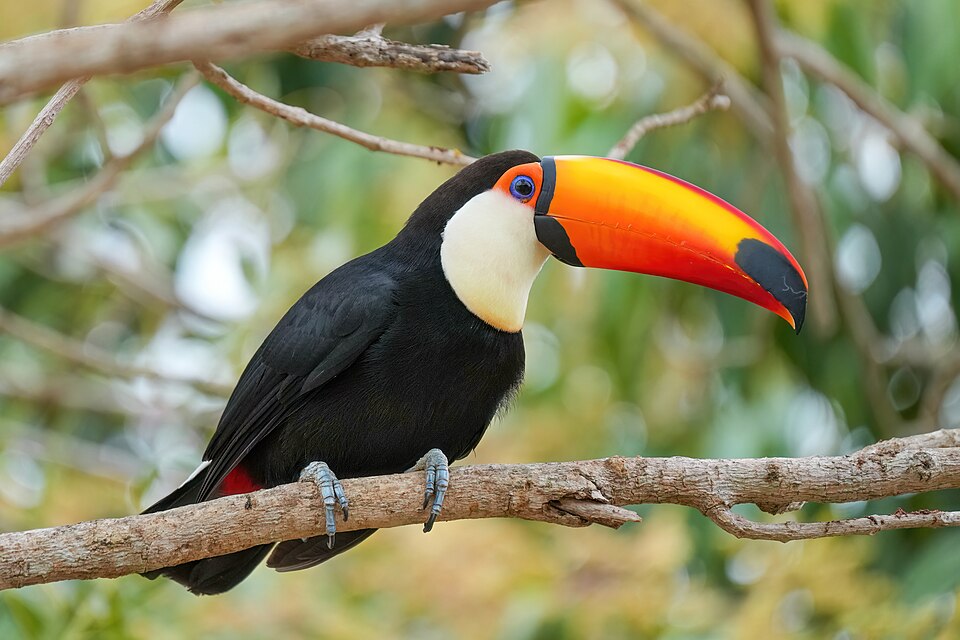
Toco toucan
Toco toucans handle fruit with a large orange bill. The South American species has the scientific name Ramphastos toco.
Read the guide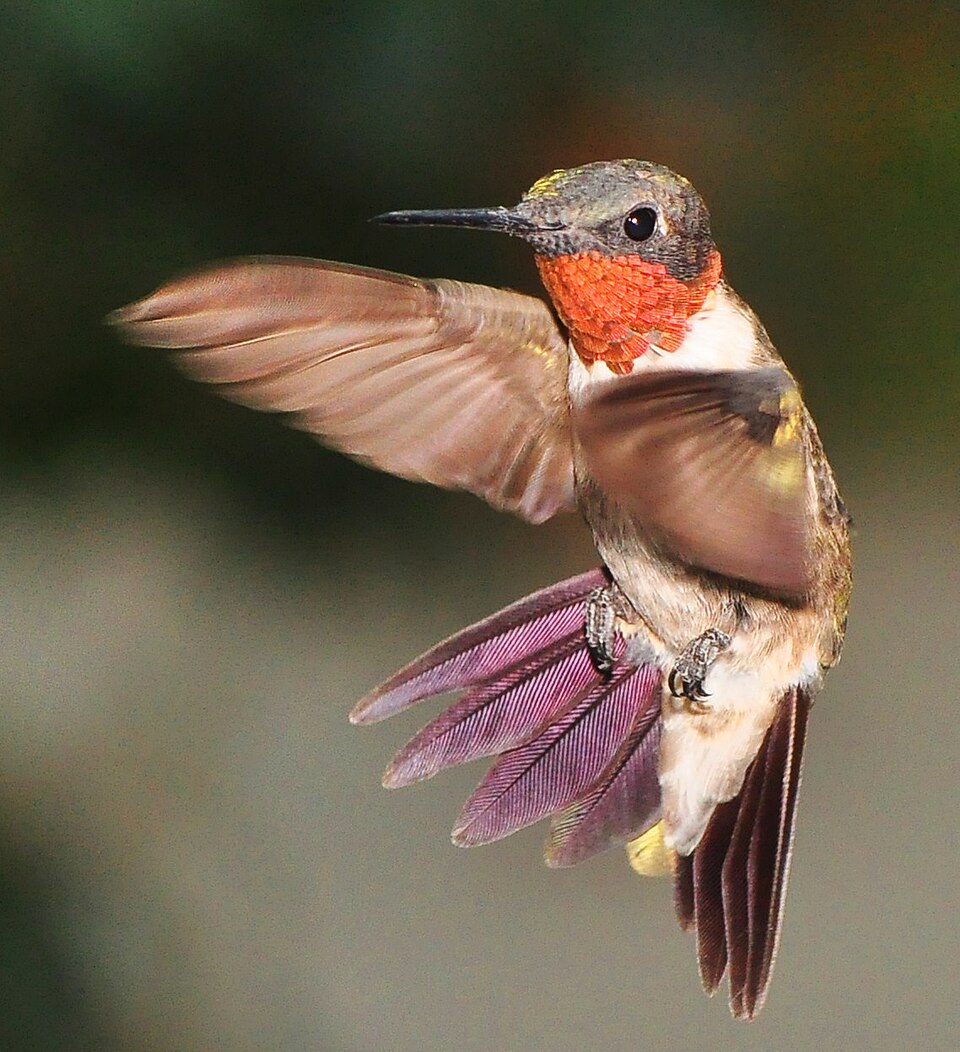
Hummingbird
Ruby-throated hummingbirds use flower nectar and small insects. Hummingbirds are a group comprising many species in the Americas.
Read the guide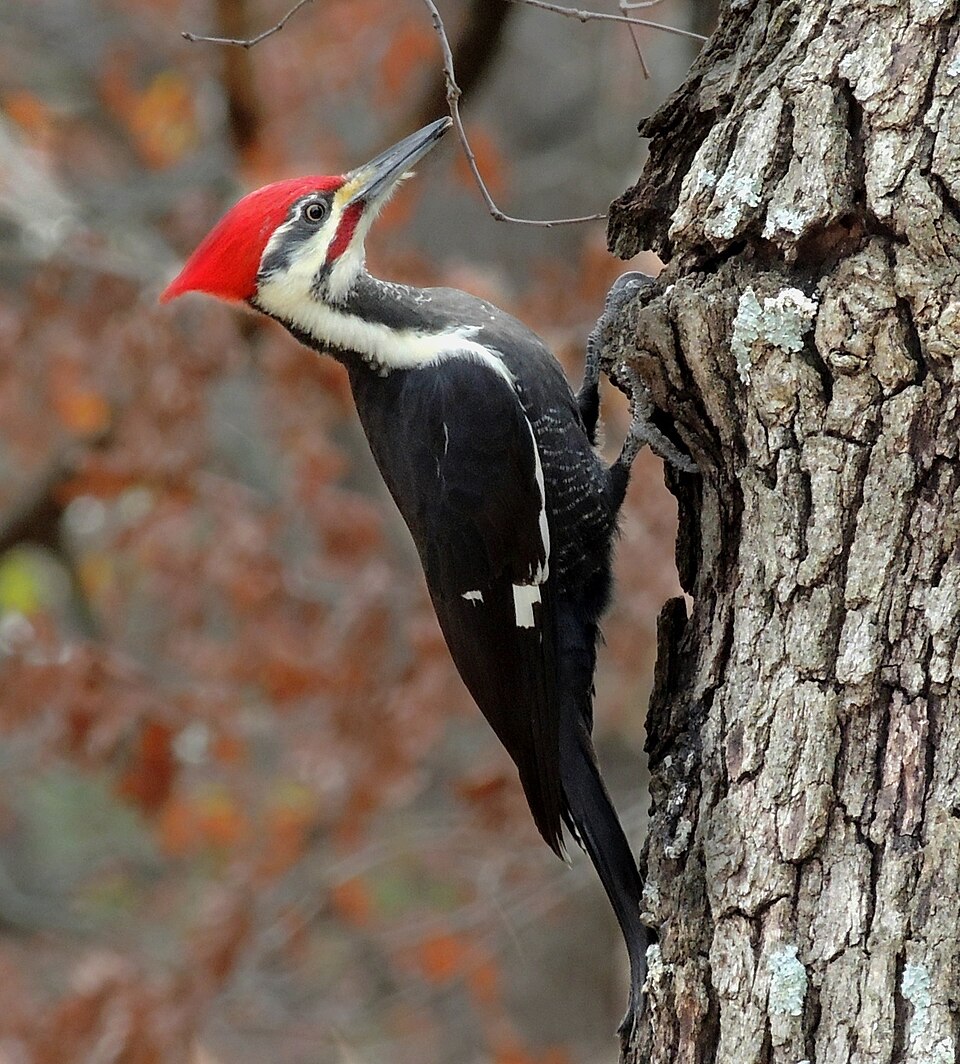
Woodpecker
Pileated woodpeckers excavate large trees while foraging. Woodpeckers comprise many species; this entry uses North America's Dryocopus pileatus as its representative.
Read the guide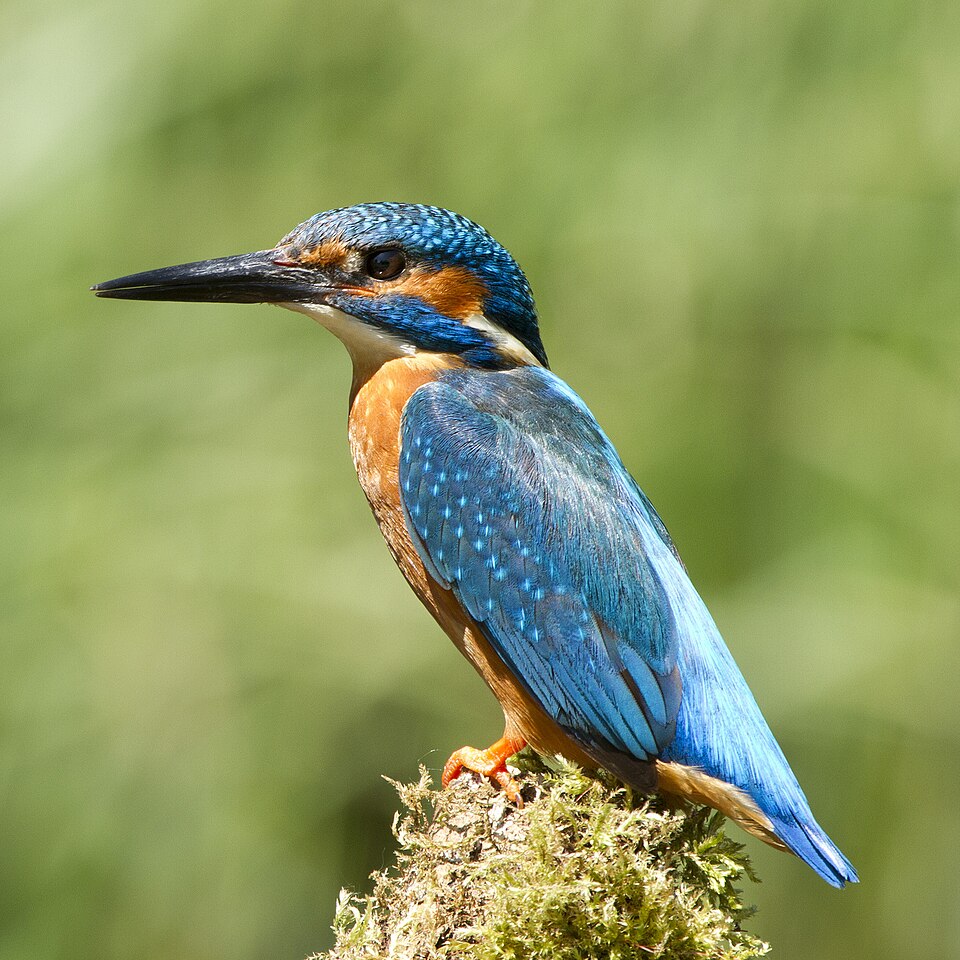
Common Kingfisher
A small kingfisher that needs clear water and earthen banks. Kingfishers encompass multiple species; here the small kingfisher Alcedo atthis is described.
Read the guide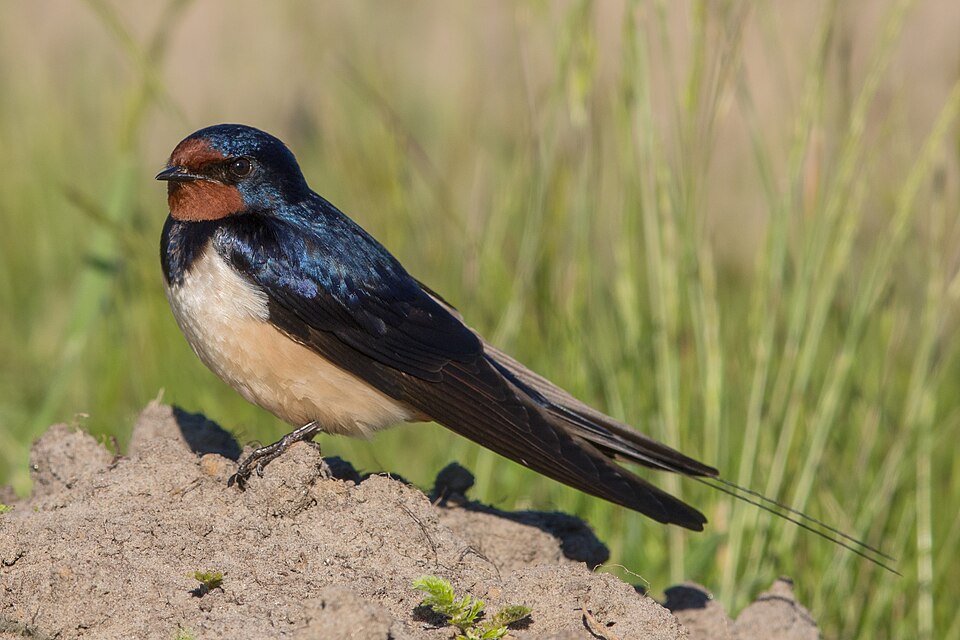
Barn swallow
Barn swallows connect aerial insects, mud nests and seasonal migration. Hirundo rustica is familiar for travelling between breeding and wintering grounds.
Read the guide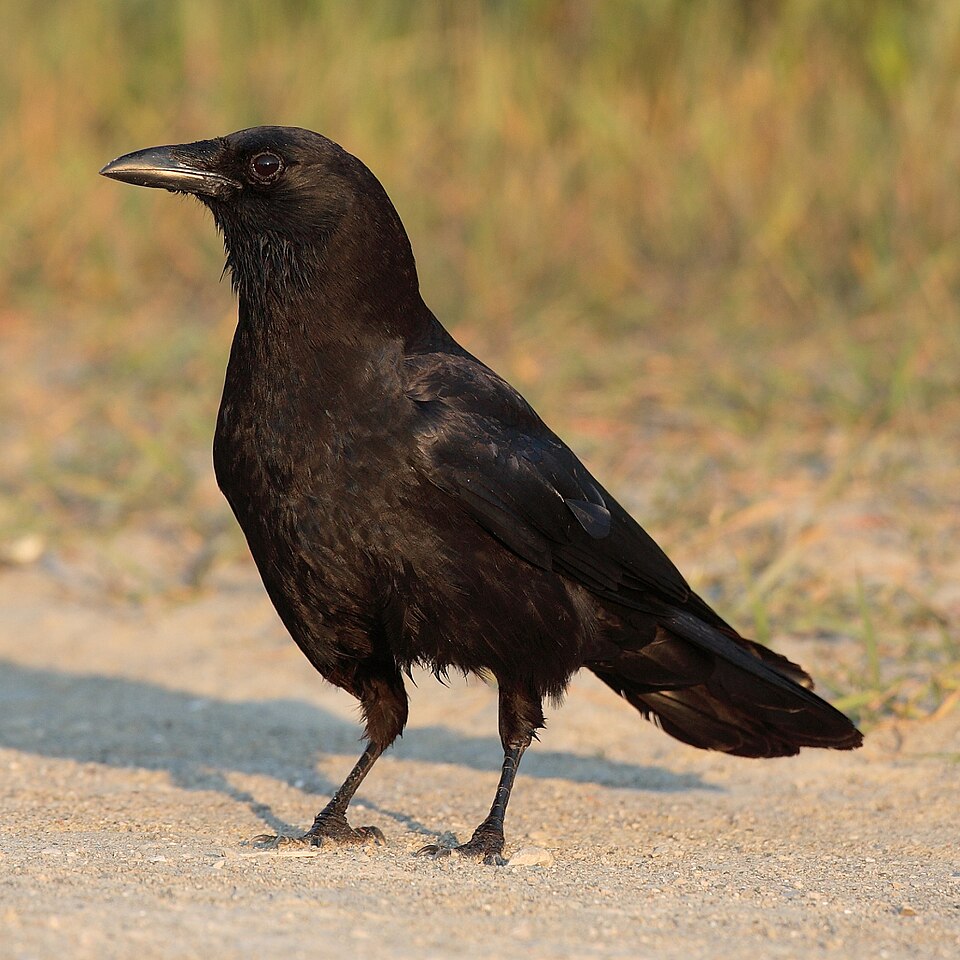
Crow
American crows have social relationships and a varied diet. Crow is used for several Corvus species; this entry uses Corvus brachyrhynchos as its example.
Read the guide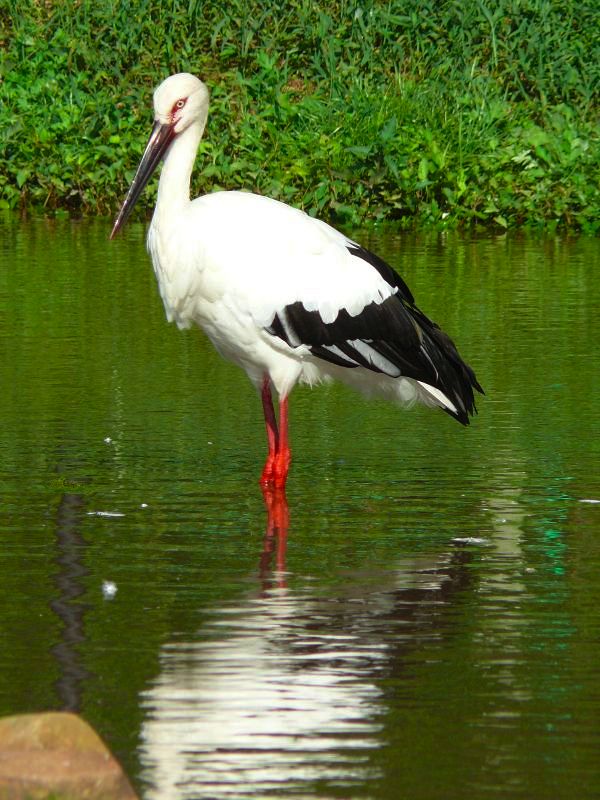
Oriental stork
The Oriental stork has a black bill and long red legs. Ciconia boyciana is a large East Asian waterbird and a different species from the white stork.
Read the guide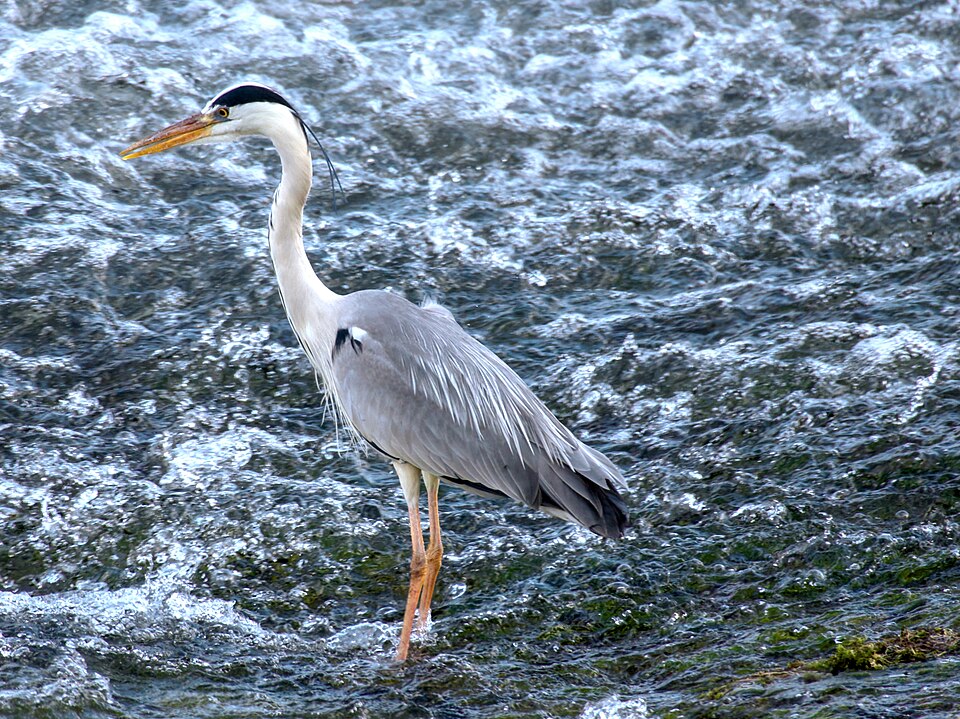
Grey heron
A grey back and folded neck in flight help identify grey herons. This page describes Ardea cinerea.
Read the guide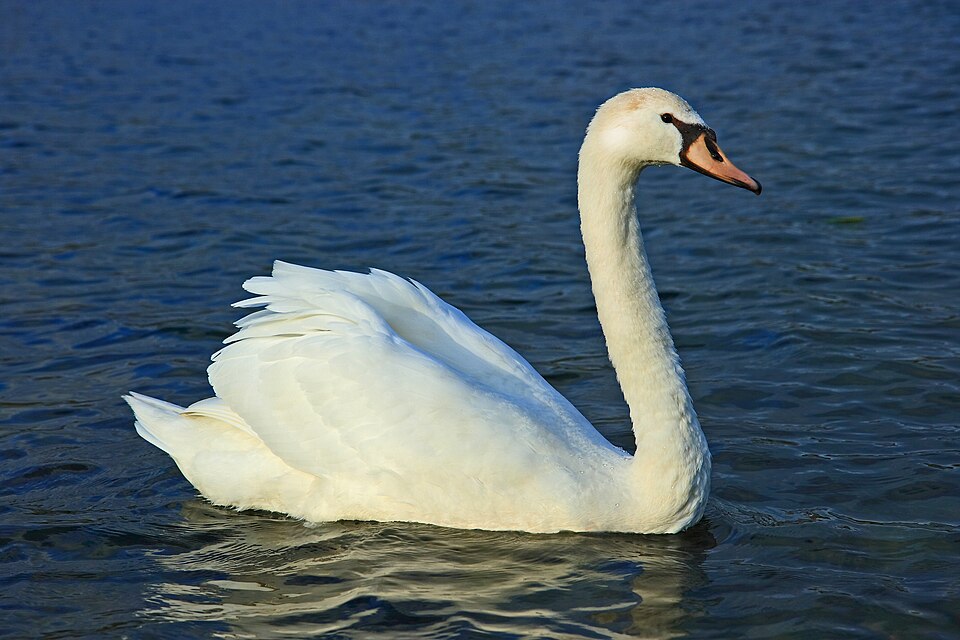
Swan
Mute swans have an orange bill with a black knob. Swan covers several species; this entry focuses on Cygnus olor.
Read the guide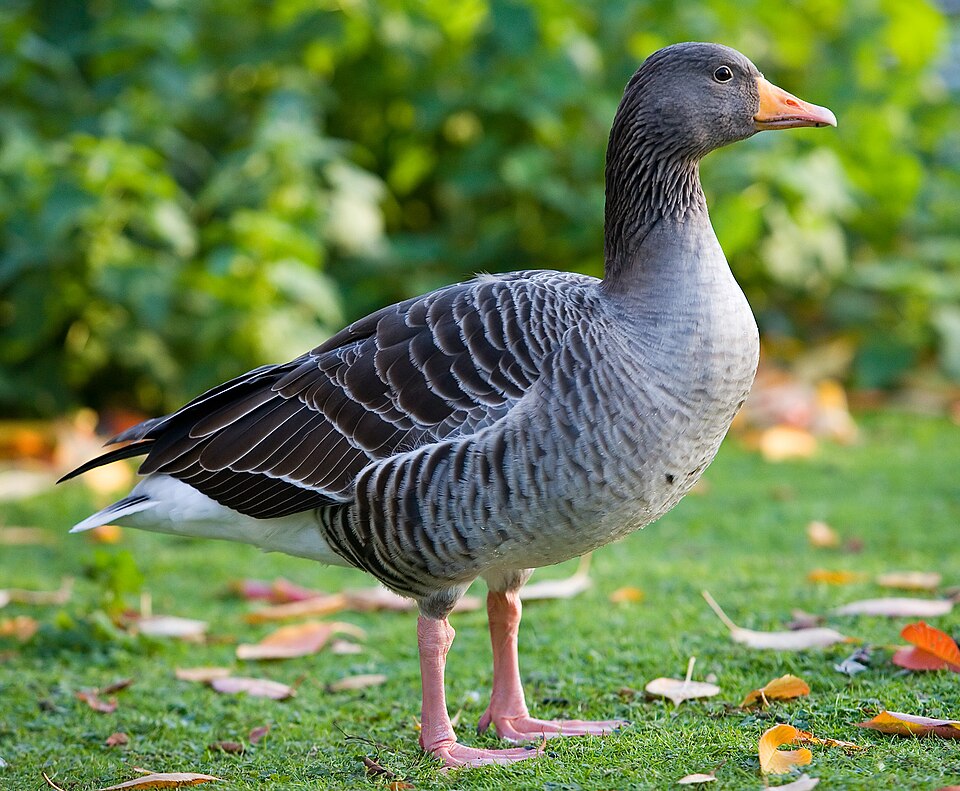
Goose
Understanding domestic geese through their greylag ancestry. Domestic geese include different lineages domesticated from birds such as greylag and swan geese.
Read the guide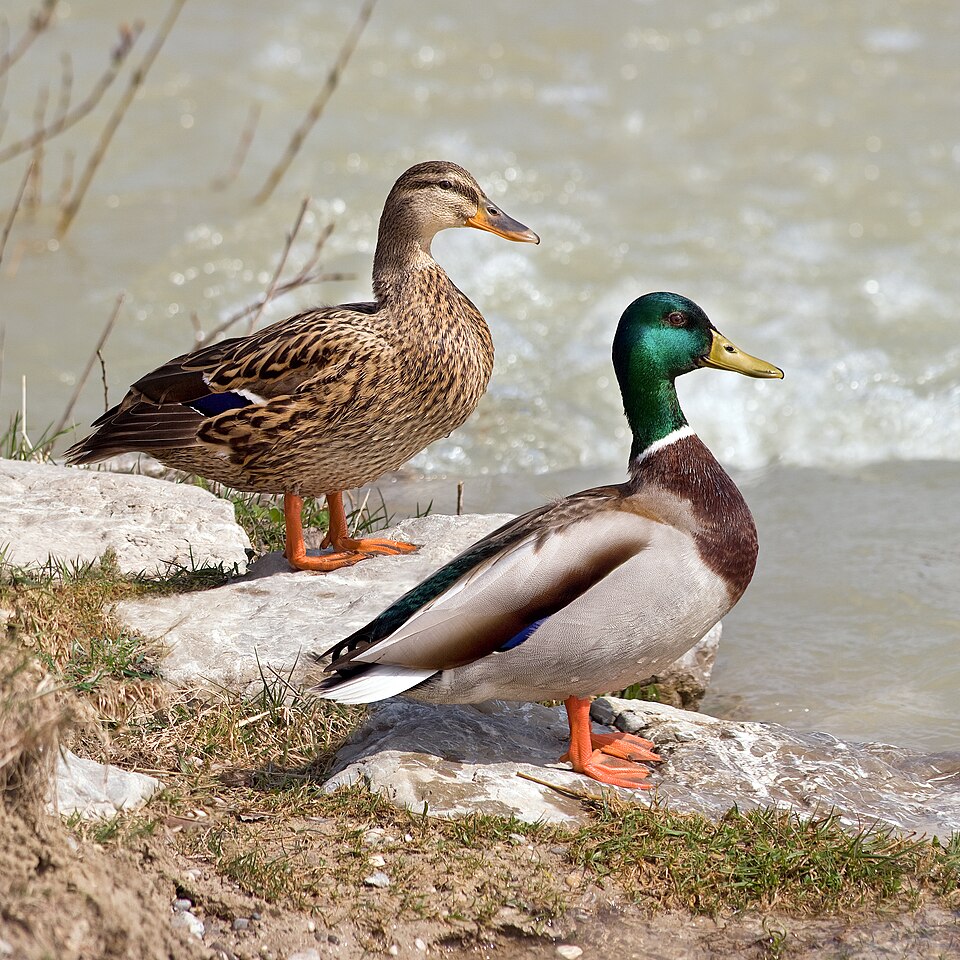
Duck
Waterside life, distinguishing mallards from domestic duck lineages. Duck is a broad name for many waterbirds; this entry focuses on the mallard Anas platyrhynchos and related domestic lineages.
Read the guide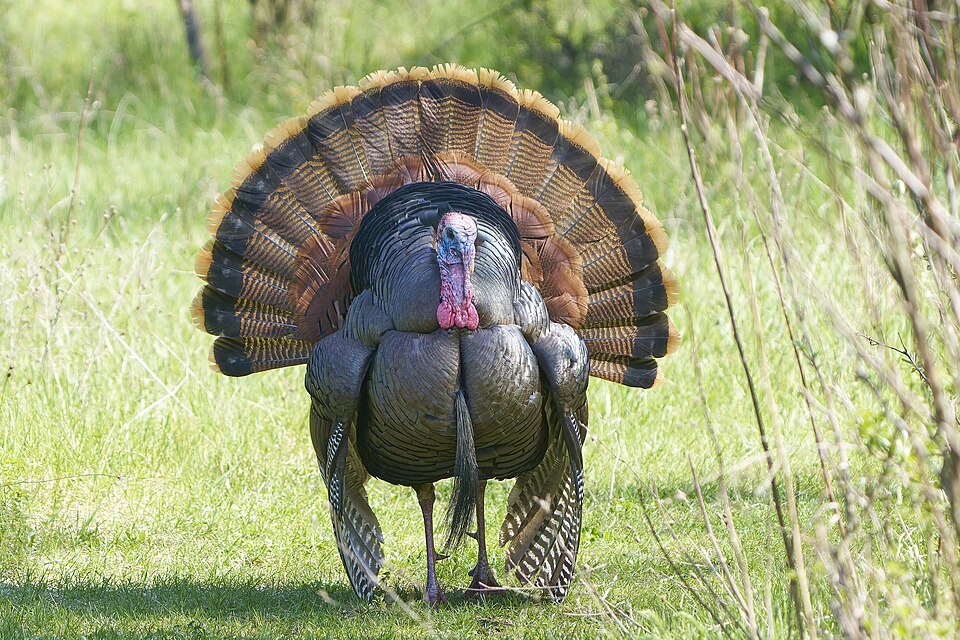
Turkey
Distinguishing wild turkey movement from domestic breeds. Meleagris gallopavo is a large bird native to North America that has been kept in many regions since domestication.
Read the guide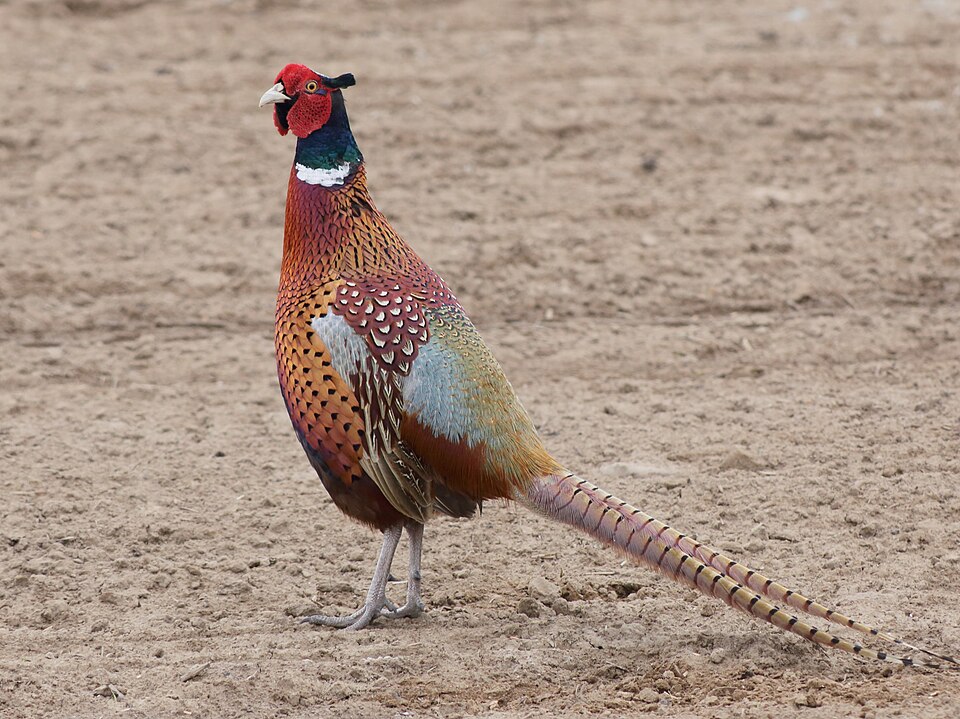
Pheasant
Male and female pheasants have different plumage. Phasianus colchicus is a ground-dwelling bird from various parts of Asia, introduced to other continents through hunting and captive keeping.
Read the guide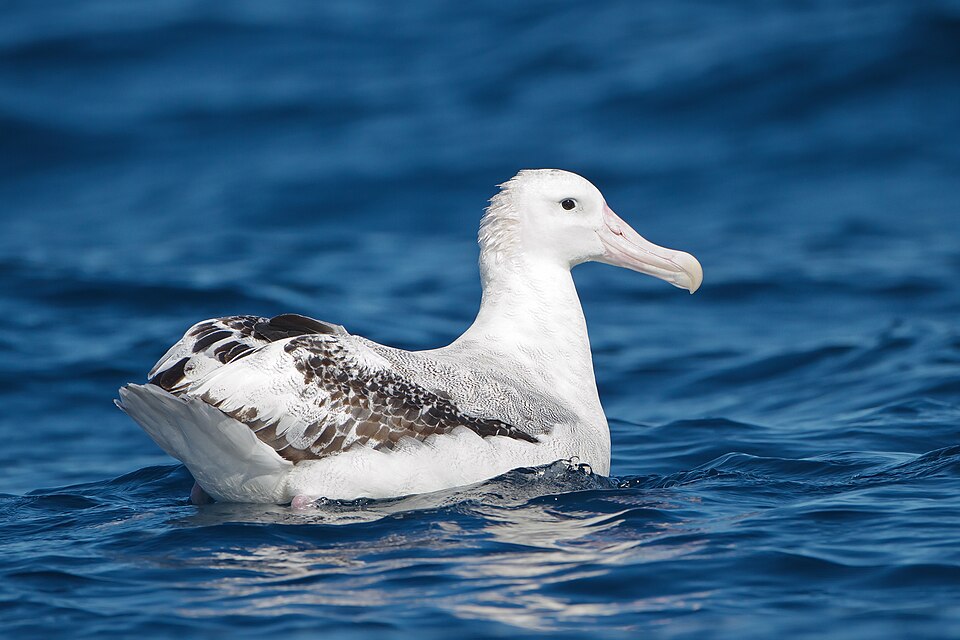
Albatross
Wandering albatrosses use long wings and the wind. Albatrosses comprise several seabird species; this entry uses Diomedea exulans as its representative.
Read the guide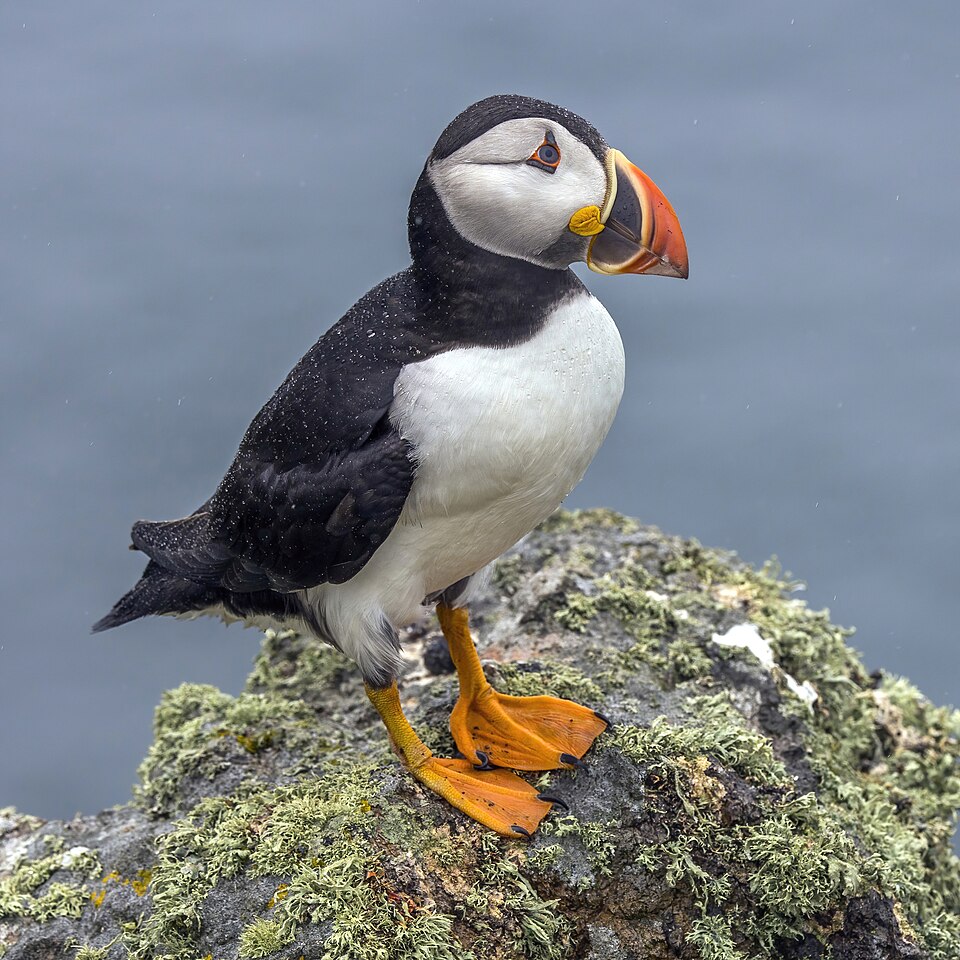
Puffin
Atlantic puffin bills and plumage change with the seasons. There are several puffin species; this entry describes the North Atlantic species Fratercula arctica.
Read the guide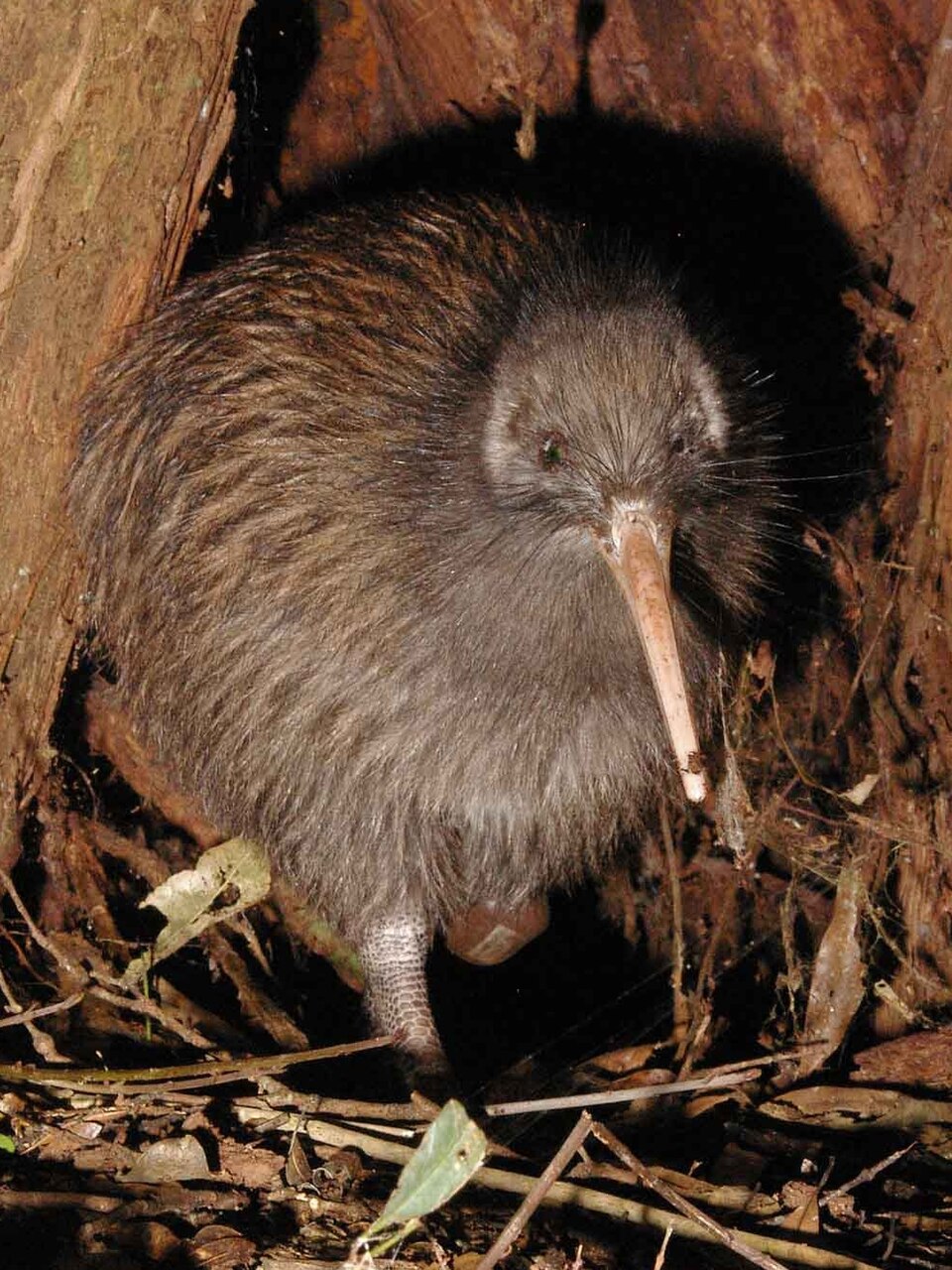
Kiwi
North Island brown kiwis use scent to find food in the ground. Kiwi covers several New Zealand species; this page uses Apteryx mantelli as its representative.
Read the guide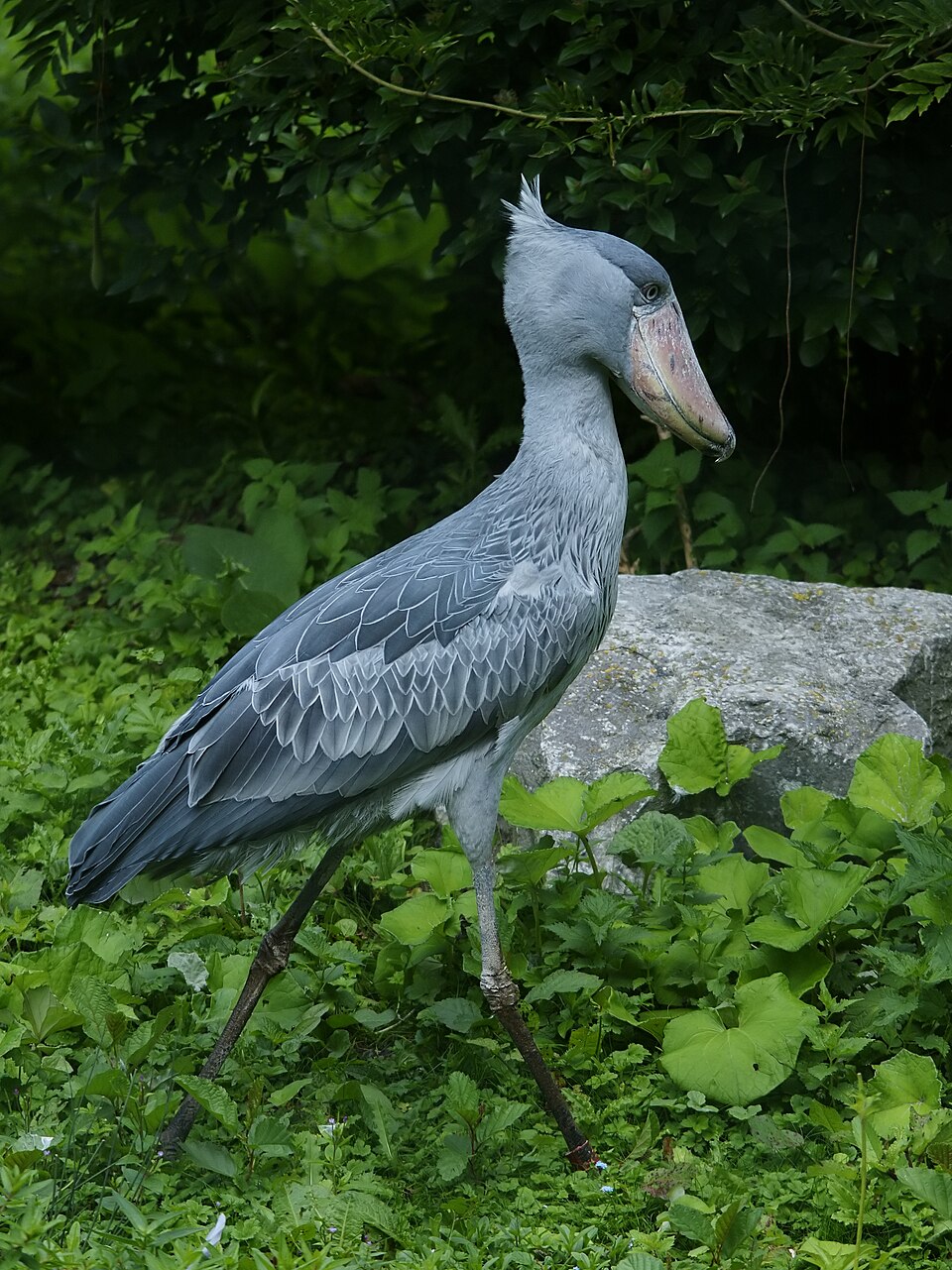
Shoebill
The shoebill is a large African waterbird with a broad, shoe-shaped bill and grey plumage. Its apparent stillness conceals a distinctive strategy of waiting for fish in shallow wetlands.
Read the guide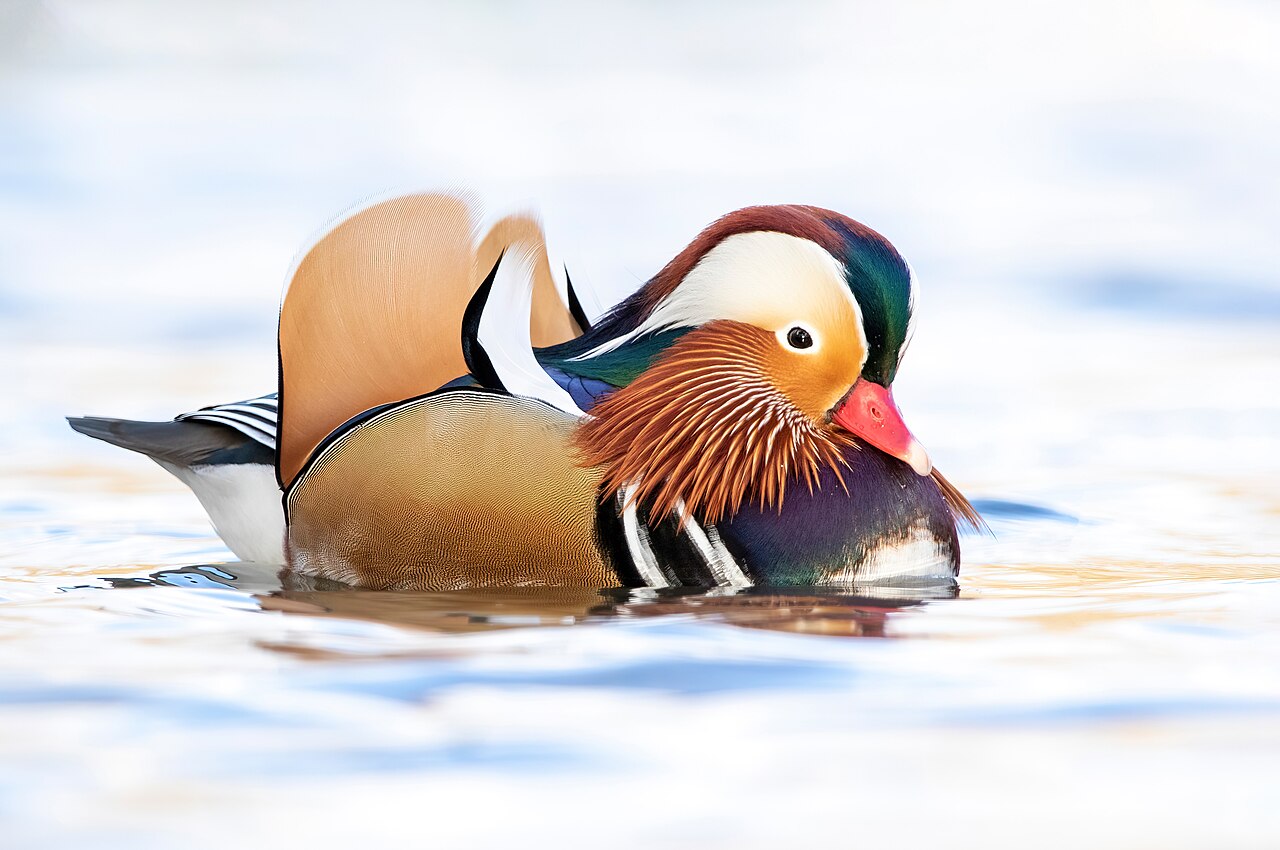
Mandarin duck
Mandarin ducks are waterbirds distinguished by the male's orange sail-like feathers and the female's white eye ring. Feeding on water and nesting in tree hollows show why watersides and woodland need to remain connected.
Read the guide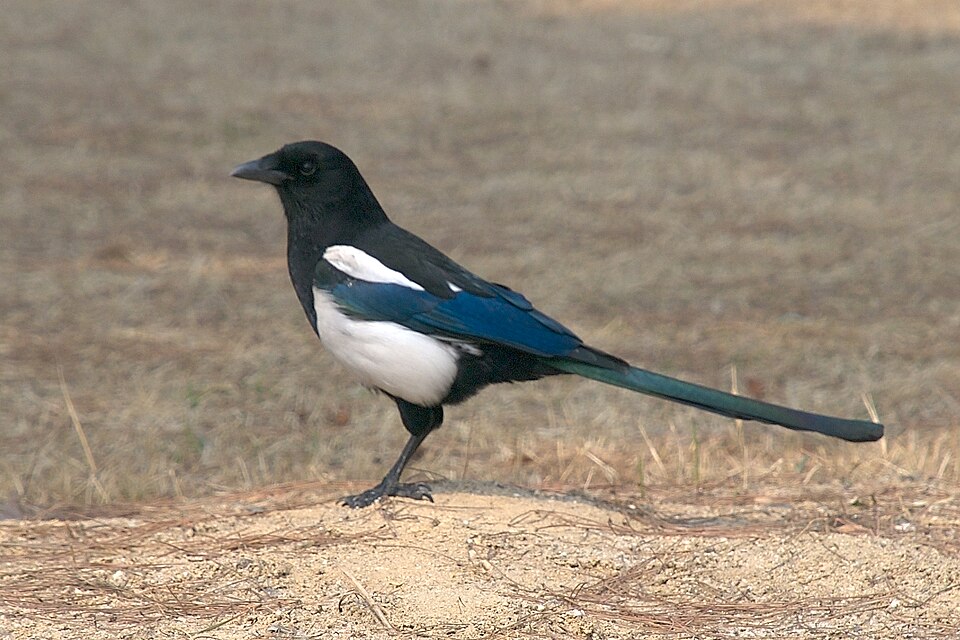
Oriental Magpie
Meet the familiar magpie within the species limits of Pica serica. Explore its long tail, feathers that appear different with the light, ground-foraging behavior and ways to observe without disturbing nests.
Read the guide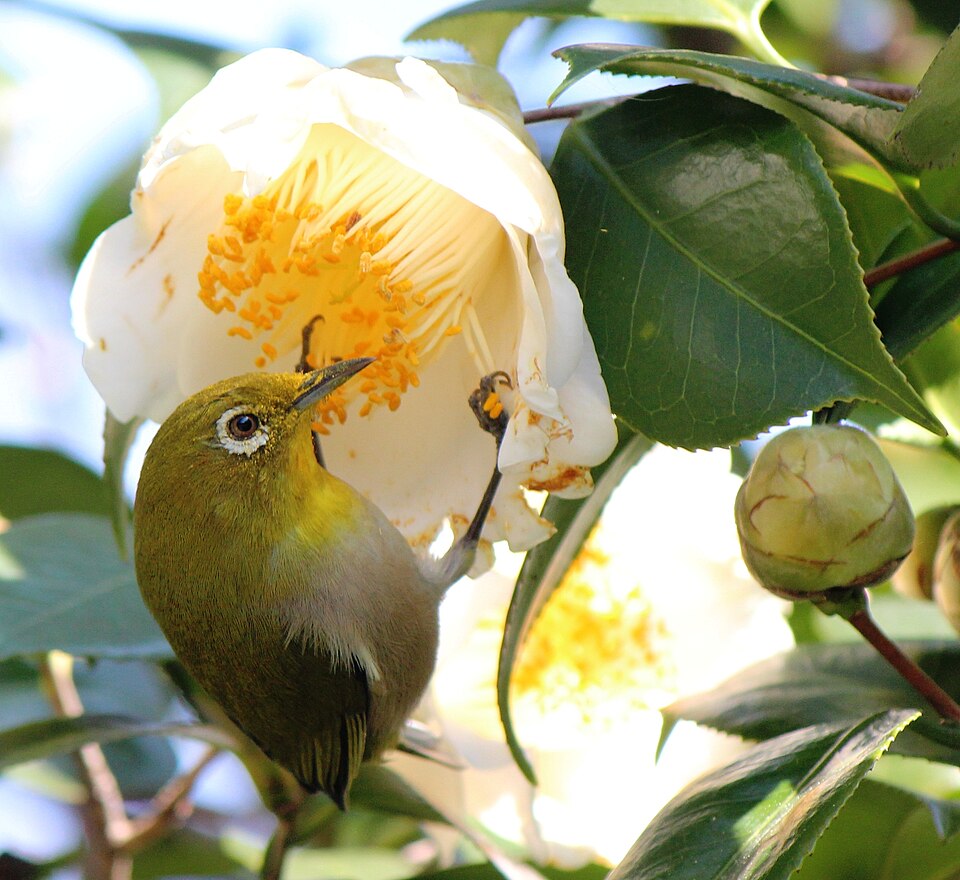
Warbling White-eye
Look for the Warbling White-eye’s white eye-ring and flank color, and distinguish a bird drinking nectar from evidence that pollen traveled between camellia trees.
Read the guide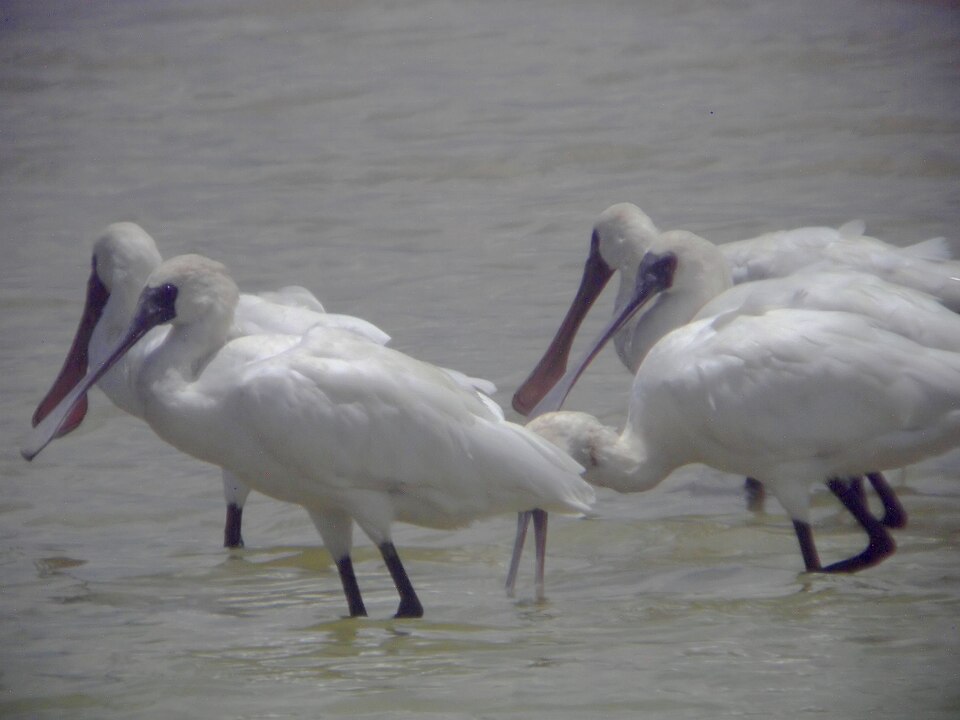
Black-faced spoonbill
This white waterbird sweeps its bill through shallow water. On Korea’s west coast, a nesting island and the mudflats and rice fields around it serve a breeding pair in different ways.
Read the guide