
Other Livestock and Wild Mammals
Discover animal classification and ways of life while distinguishing livestock from wildlife.
Published animal profiles
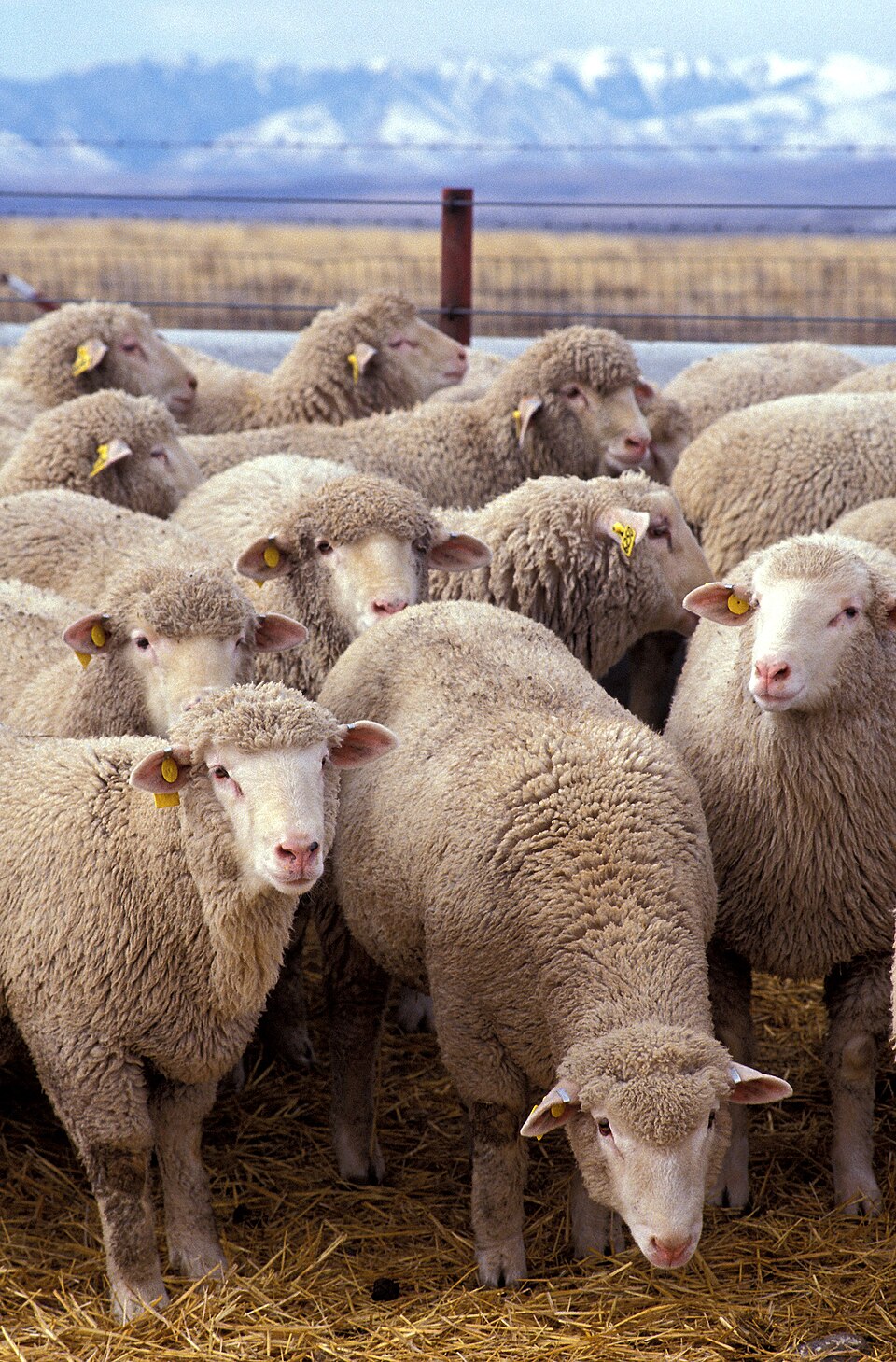
Domestic sheep
Social grazing animals understood through more than their wool. Long domestication and selective breeding have produced many sheep breeds used for meat, milk and fleece.
Read the guide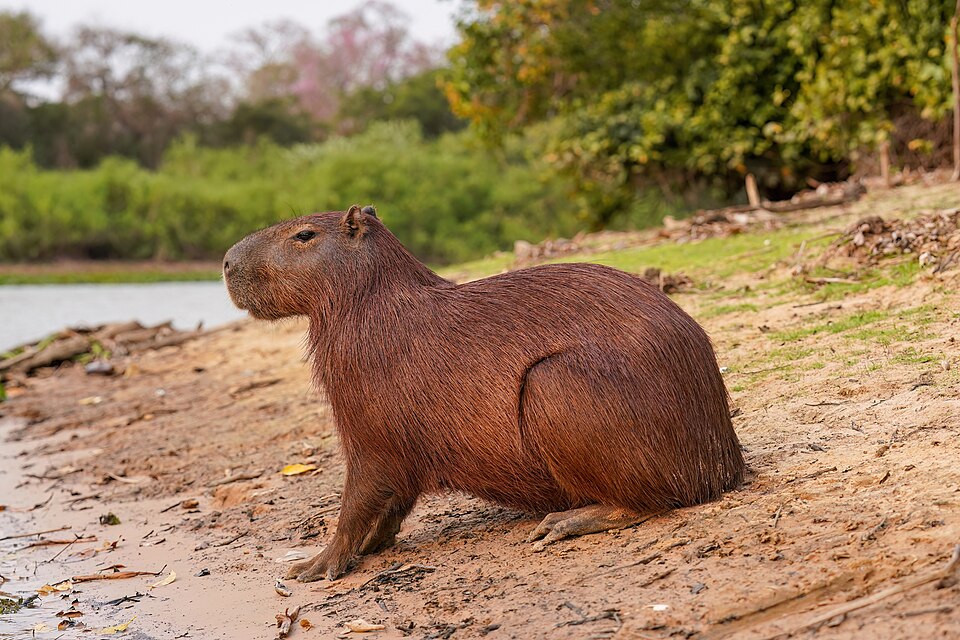
Capybara
A large social rodent moving between water and grassland. The capybara is a large South American rodent within the same broad lineage as guinea pigs.
Read the guide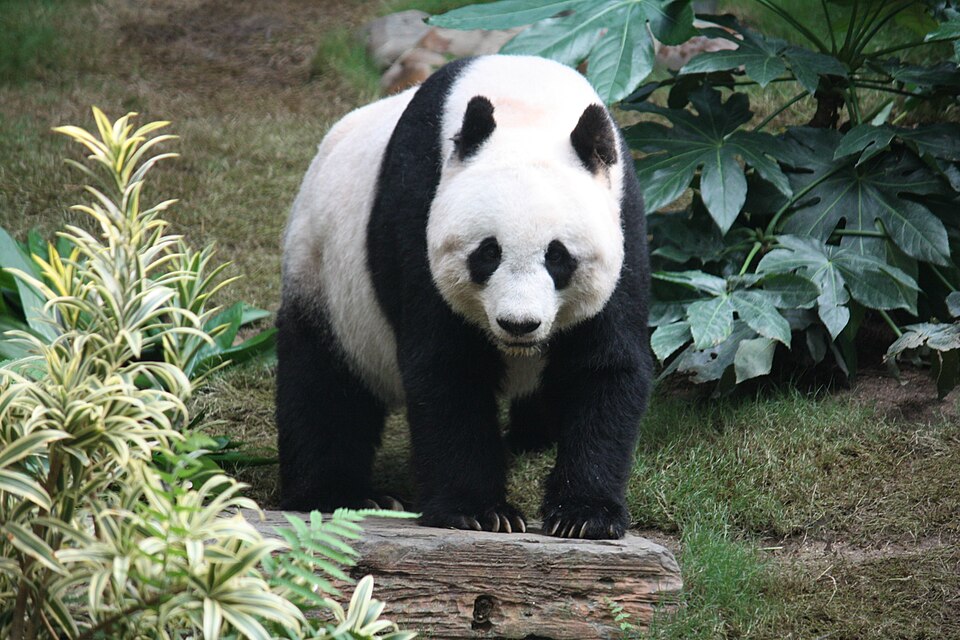
Giant Panda
A black-and-white bear adapted to bamboo forests. The giant panda belongs to the bear family and uses bamboo as its principal food in China's mountain forests.
Read the guide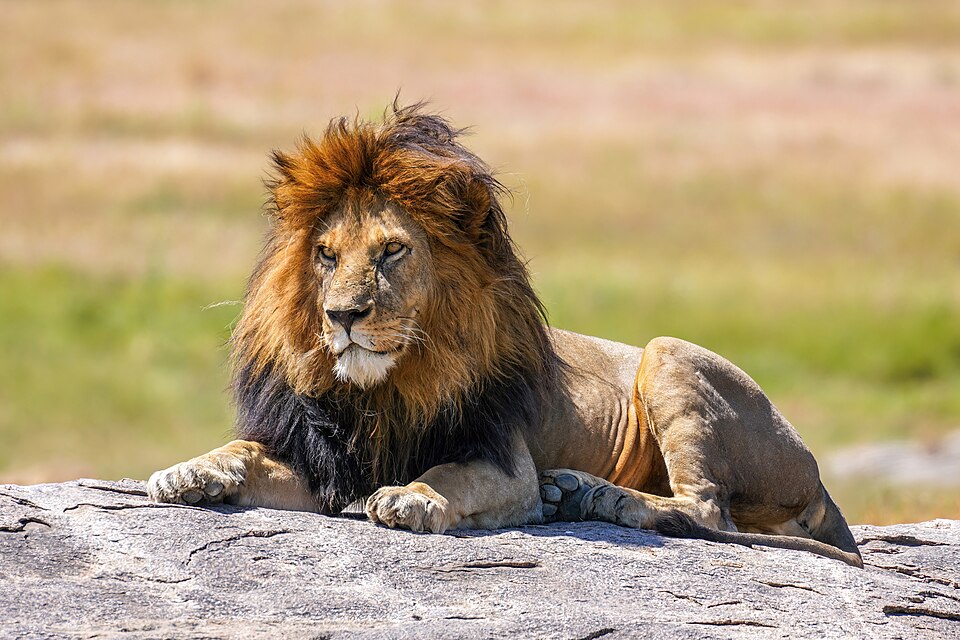
Lion
Understanding lions through pride relationships and open habitats. The lion is a large cat with wild populations remaining in various parts of Africa and a limited area of western India.
Read the guide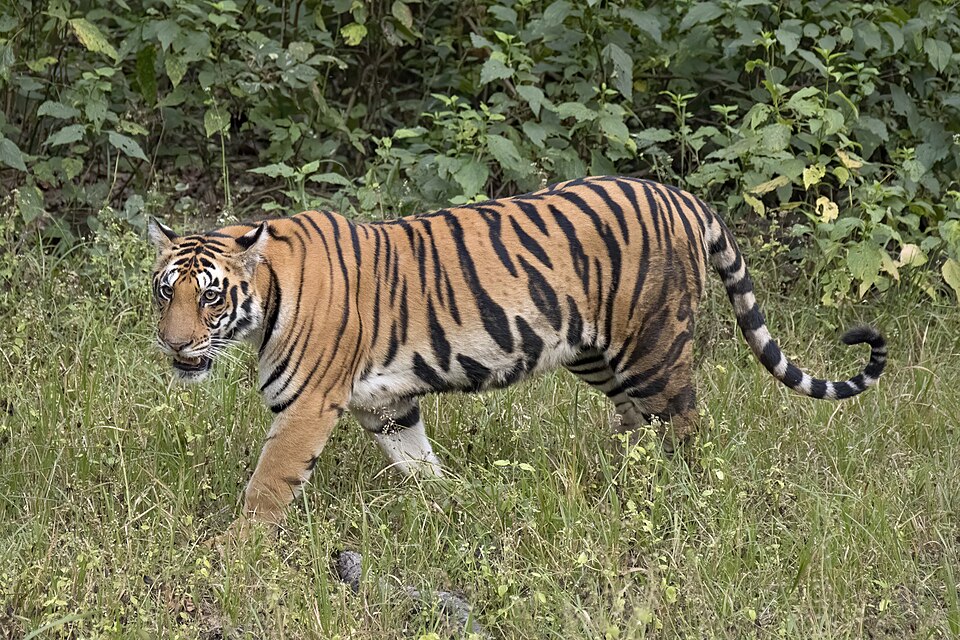
Tiger
Understanding stripes and solitary life within the tiger's habitat. The tiger is a large cat adapted to various Asian environments.
Read the guide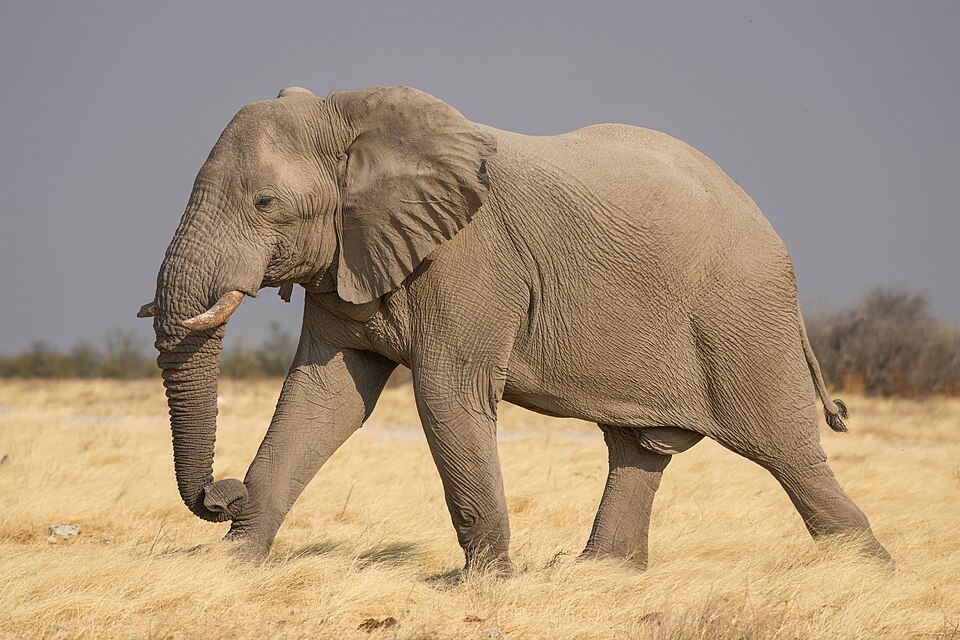
Elephant
The African savanna elephant explores its environment with large ears and a trunk. Elephants include Asian elephants and distinct African lineages.
Read the guide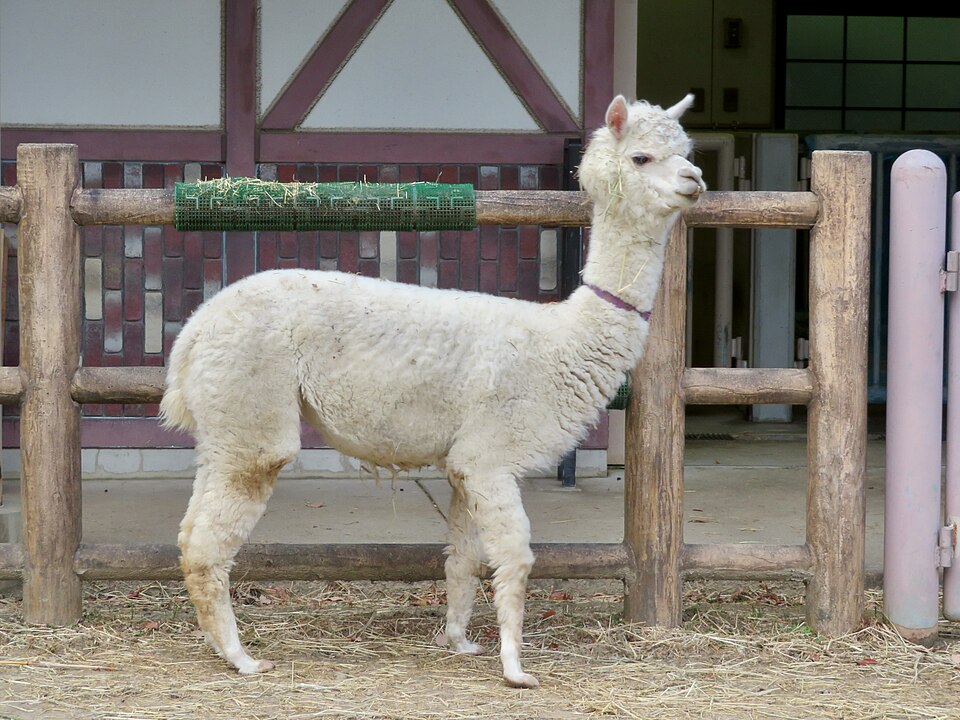
Alpaca
An alpaca with highland domestic life and varied fiber. The alpaca is a camelid domesticated in the South American Andes.
Read the guide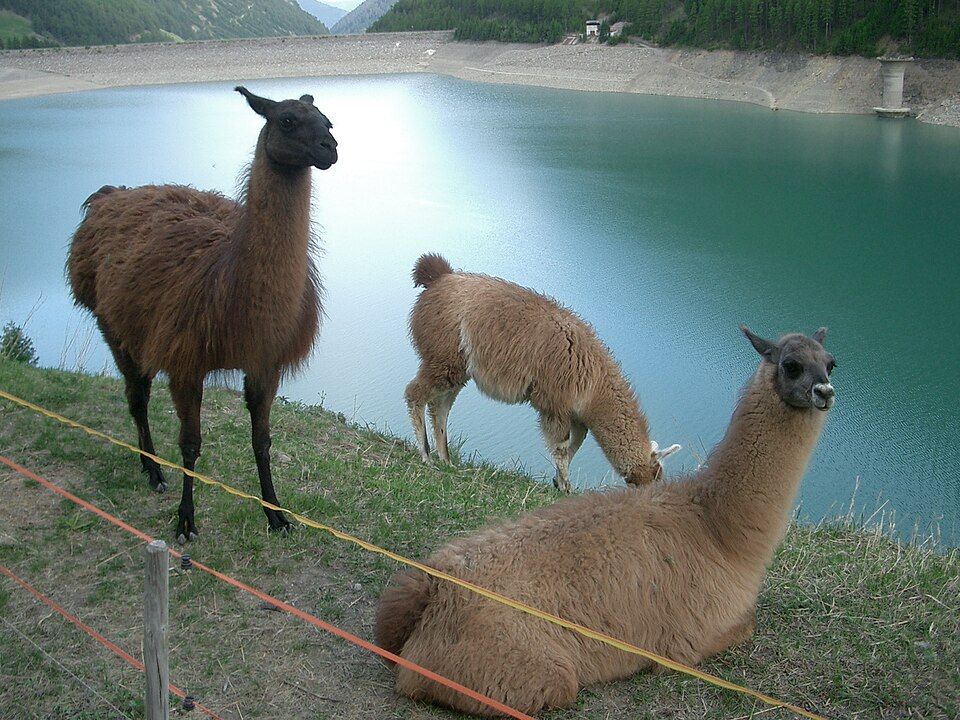
Llama
Andean livestock with a history of travel and carrying loads. The llama is a camelid domesticated in the South American Andes, historically connected with transport, fiber and varied everyday resources.
Read the guide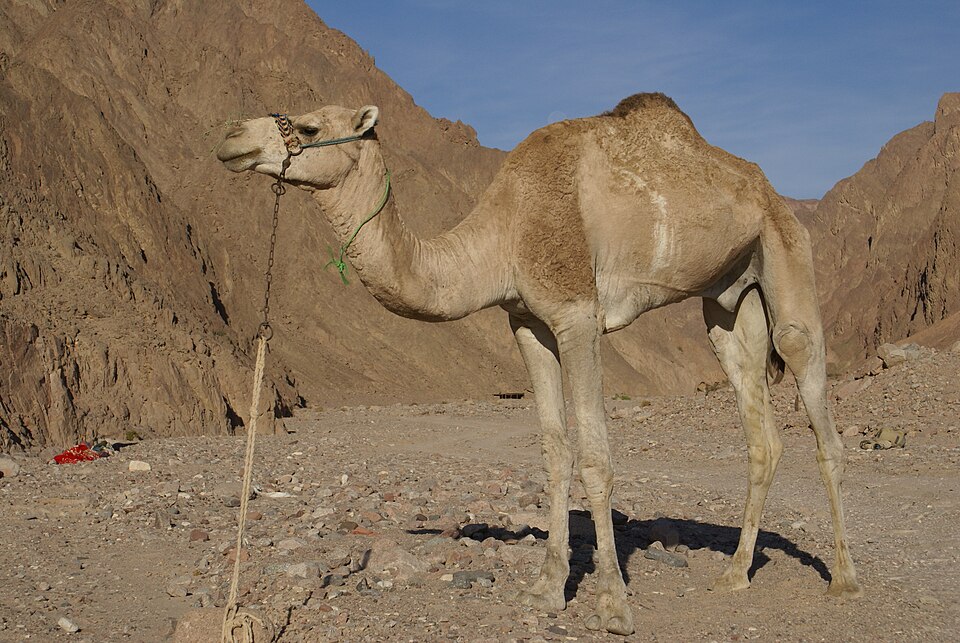
Dromedary camel
A dromedary storing fat in one hump. Camels include one-humped dromedaries and two-humped Bactrian lineages.
Read the guide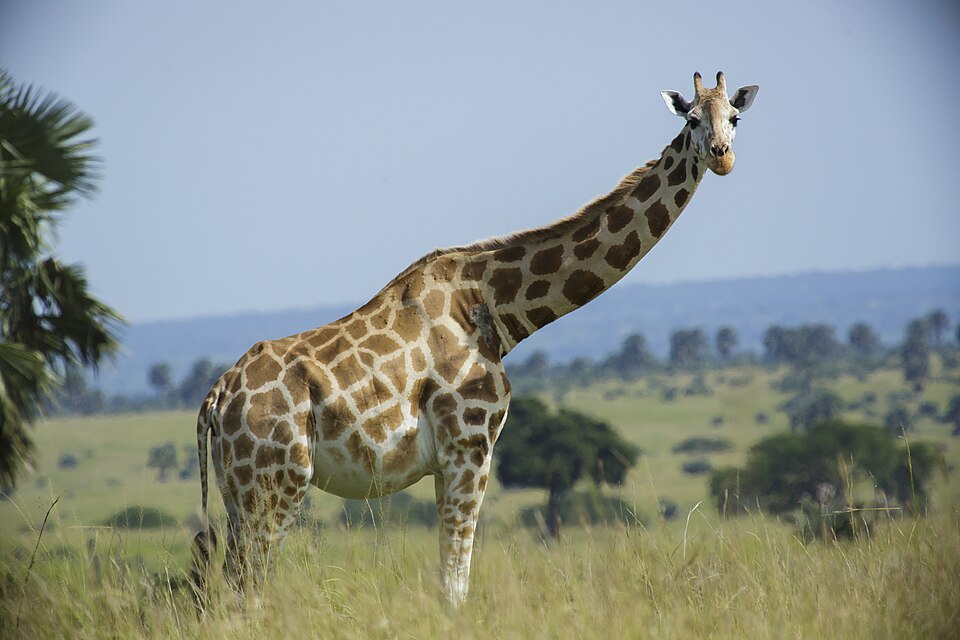
Northern giraffe
A giraffe connecting a long neck with feeding on high leaves. Giraffe classification includes sources treating giraffes as one broad species and research separating several species.
Read the guide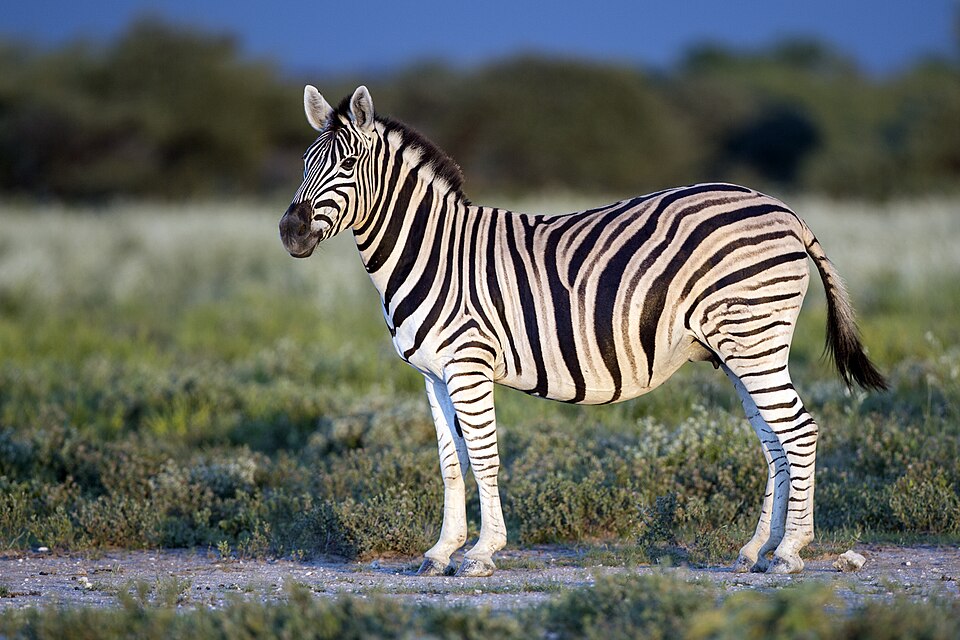
Plains zebra
The social life of plains zebras beyond their stripes. Zebras include separate species such as plains, mountain and Grevy's zebras.
Read the guide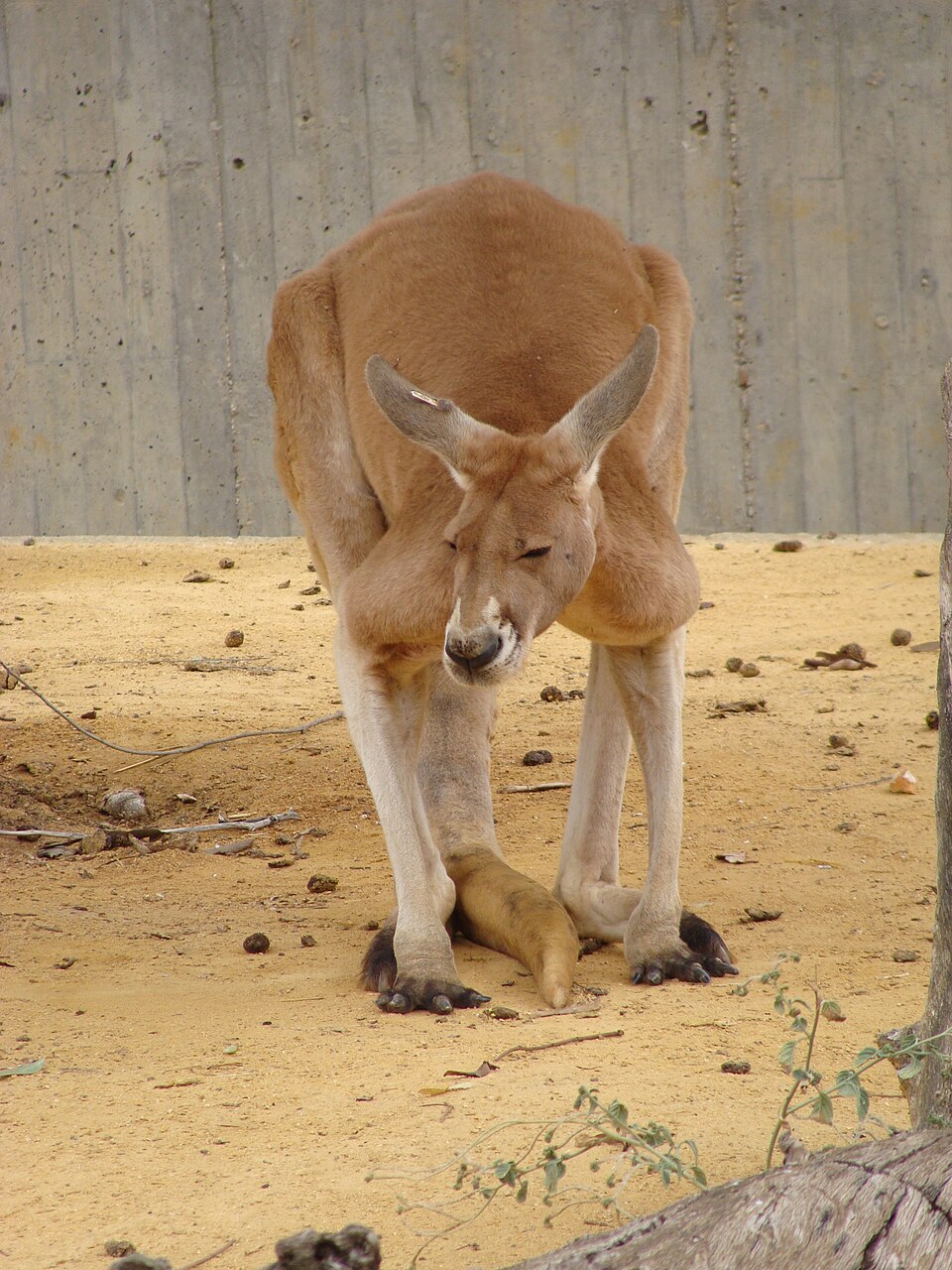
Red kangaroo
A red kangaroo's tail used in both hopping and slow walking. Kangaroo names several species; this page uses the red kangaroo as its example.
Read the guide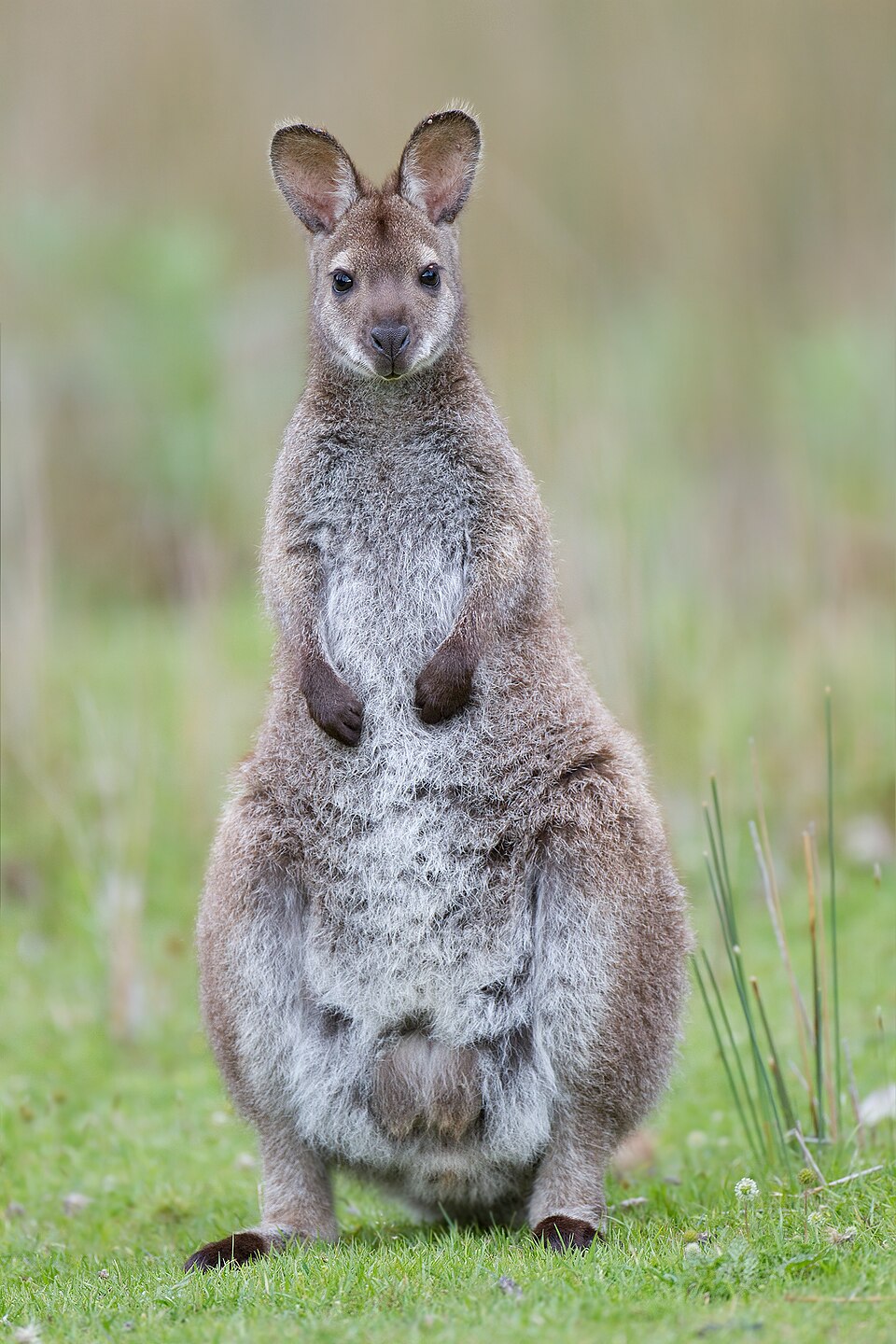
Wallaby
The red-necked wallaby moves between woodland edges and grassland. Wallaby is a name used for several small kangaroo relatives; it does not mean a baby kangaroo.
Read the guide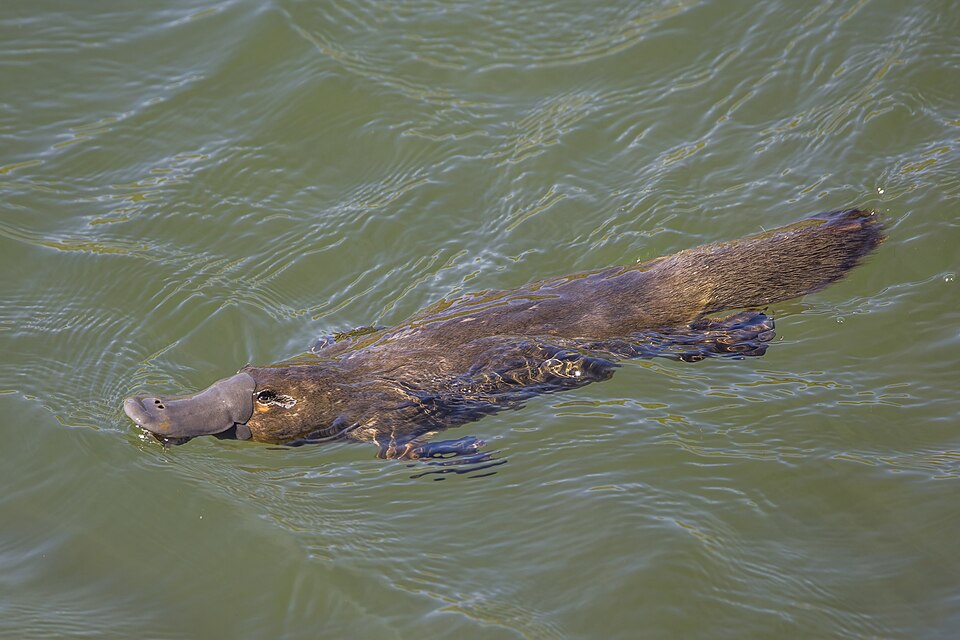
Platypus
An egg-laying mammal that senses underwater prey with its bill. The platypus belongs to the monotremes, mammals that lay eggs.
Read the guide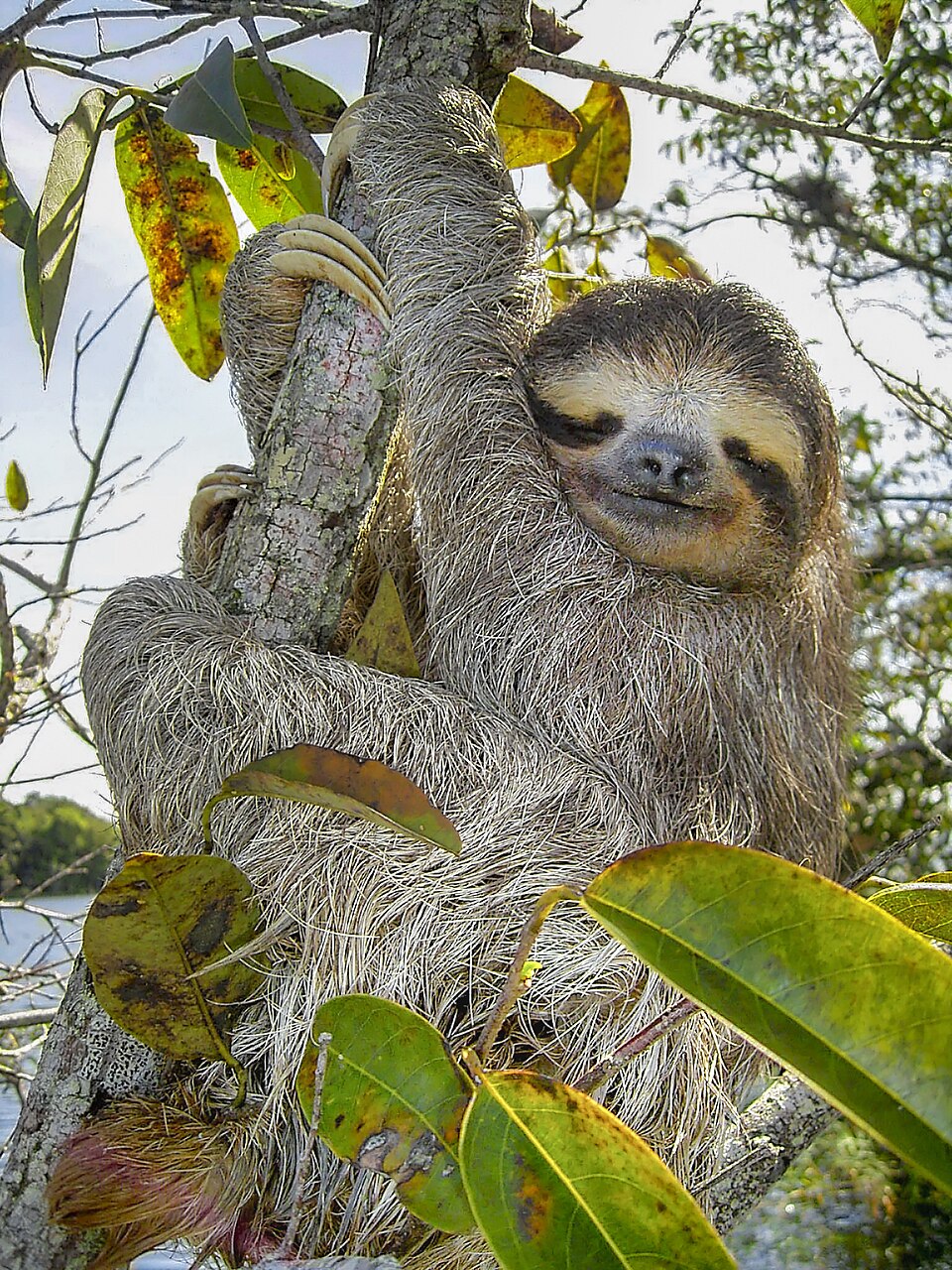
Sloth
The brown-throated three-toed sloth's life is shaped by leaves and branches. Sloths comprise several species in two-toed and three-toed lineages.
Read the guide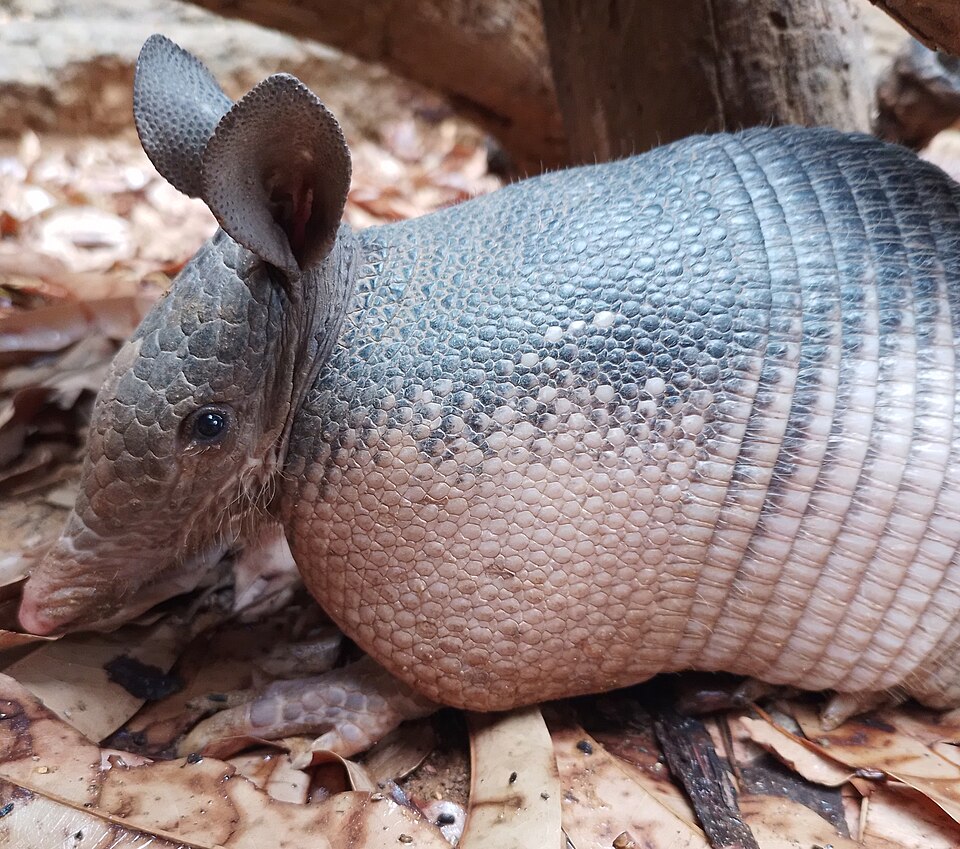
Armadillo
The nine-banded armadillo is adapted to digging and searching by smell. Armadillos are American mammals well known for the hard plates in their skin.
Read the guide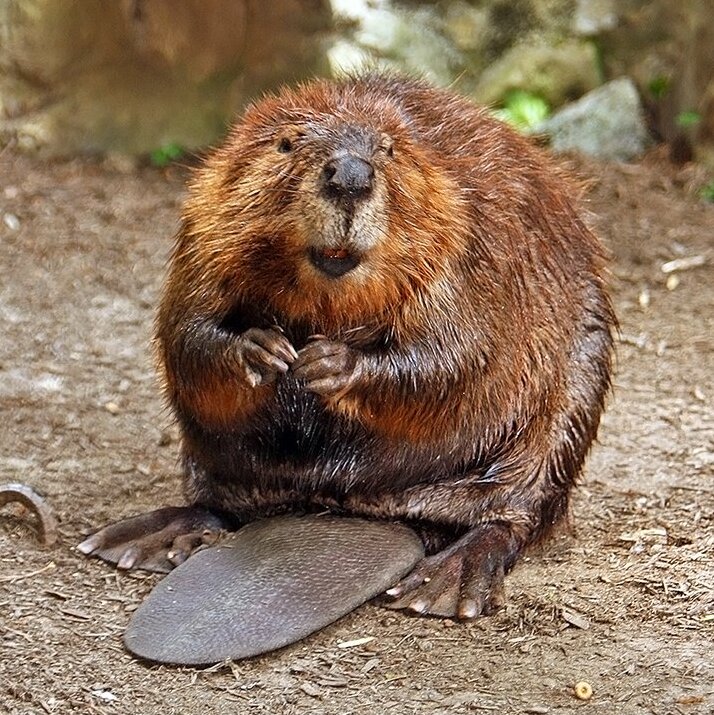
Beaver
The North American beaver eats wood and reshapes waterways. This page describes Castor canadensis, the North American beaver, and distinguishes it from the Eurasian beaver.
Read the guide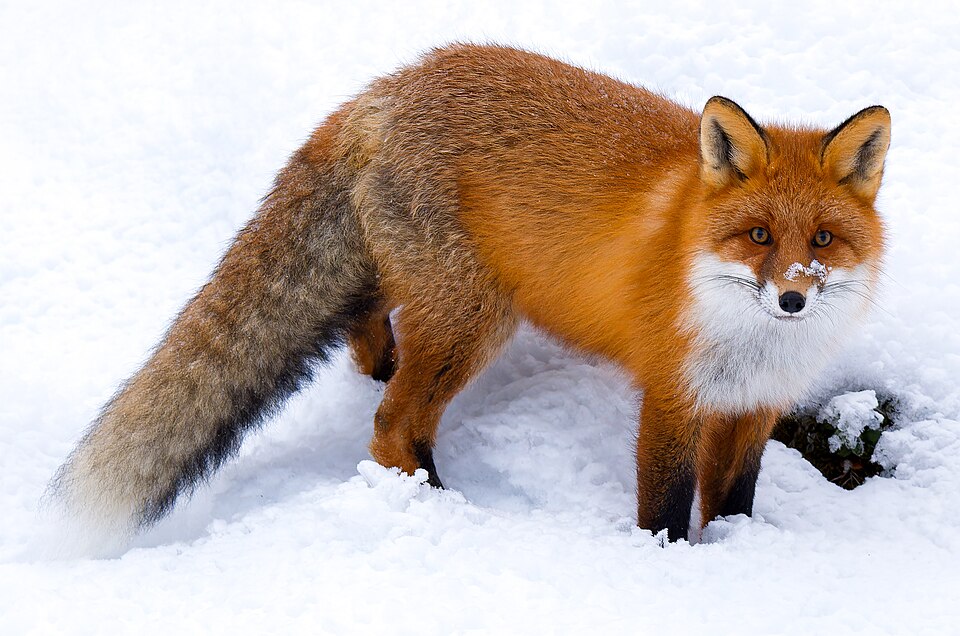
Red fox
The red fox uses woodland, grassland and urban environments. It is a wild member of the dog family that uses varied habitats across the Northern Hemisphere.
Read the guide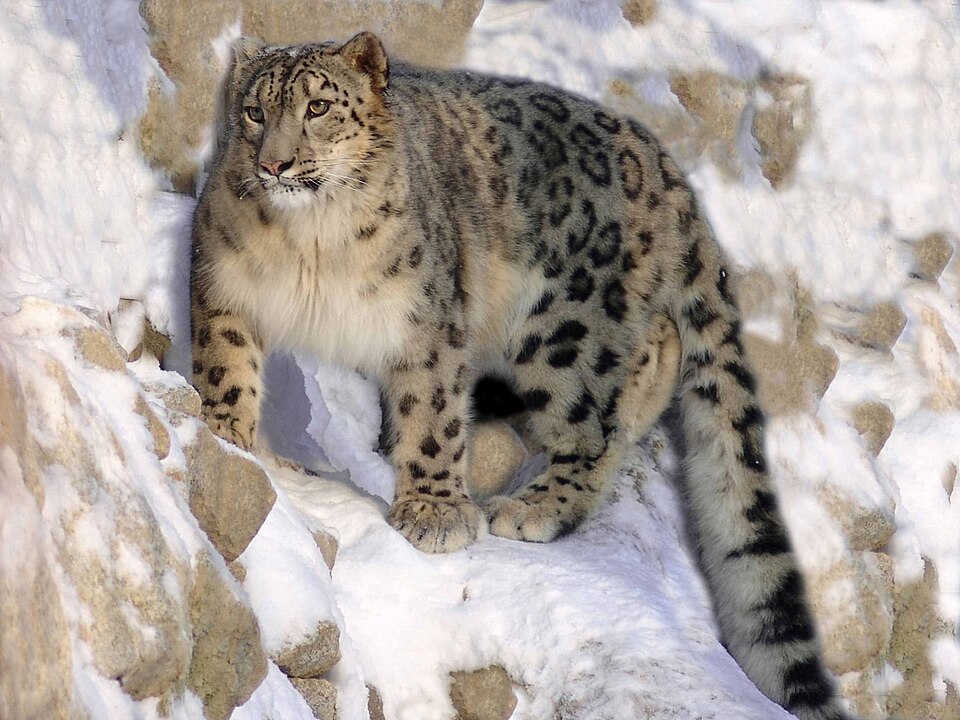
Snow leopard
A high-mountain cat that moves among rocks and snow. The snow leopard lives in high mountains in and around Central Asia.
Read the guide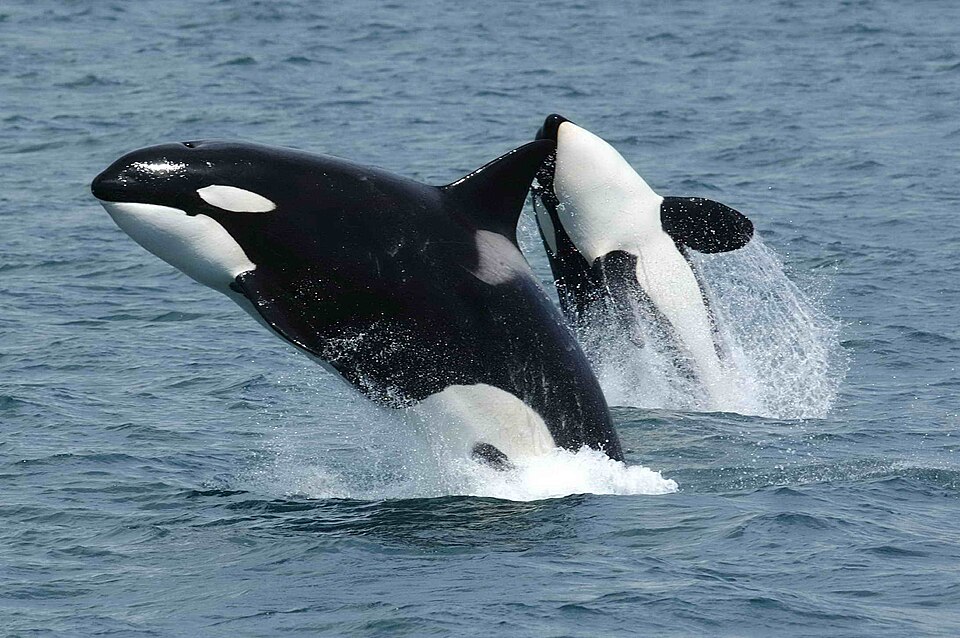
Orca
Orcas have family relationships, learning and population-specific diets. Also known as killer whales, they are marine mammals in the dolphin family.
Read the guide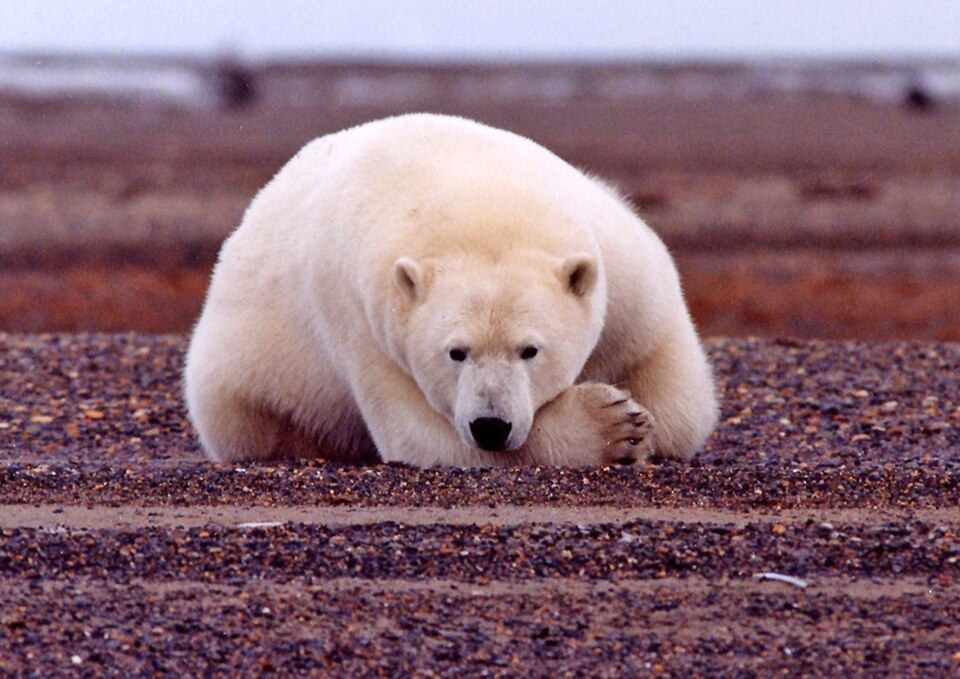
Polar bear
The polar bear is a marine mammal with broad paws and thick insulation. As important as its white-looking fur is a way of life that depends on sea ice for hunting and travel.
Read the guide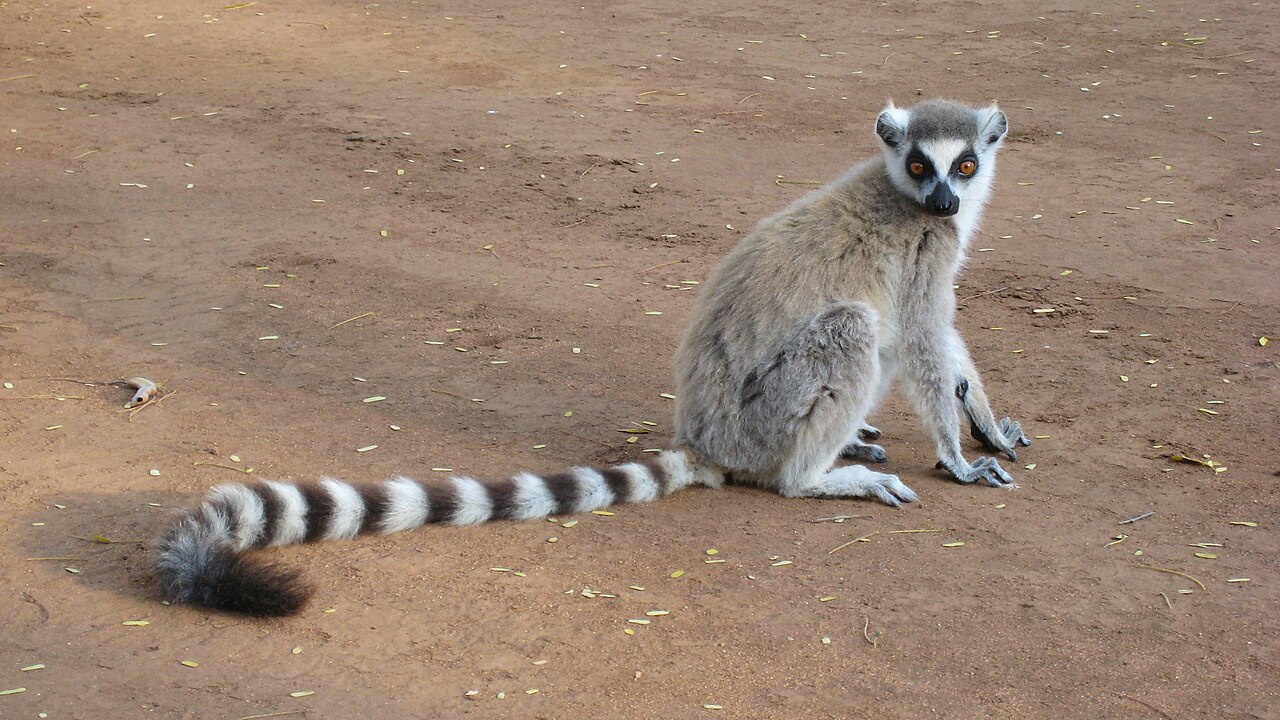
Ring-tailed lemur
The ring-tailed lemur is a primate from Madagascar. It forages in trees and on the ground, using its tail, sounds and scents together in a complex social life.
Read the guide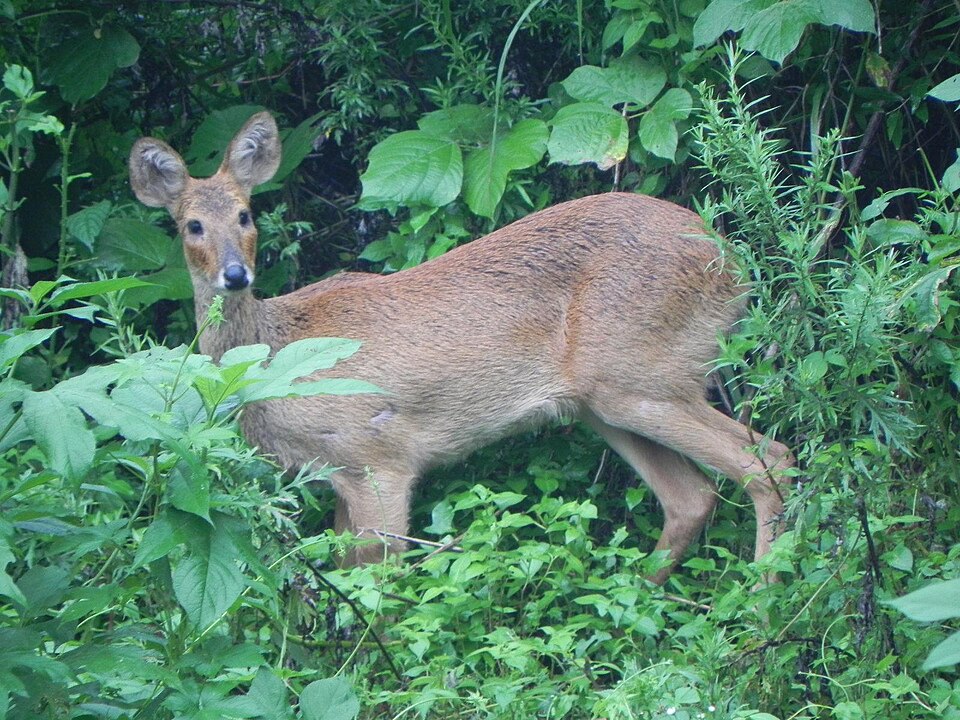
Water Deer
Explore water deer classification, grassy habitats and features that distinguish them from roe deer. Learn about the life of this herbivore with canine teeth and ways to observe it without disturbance.
Read the guide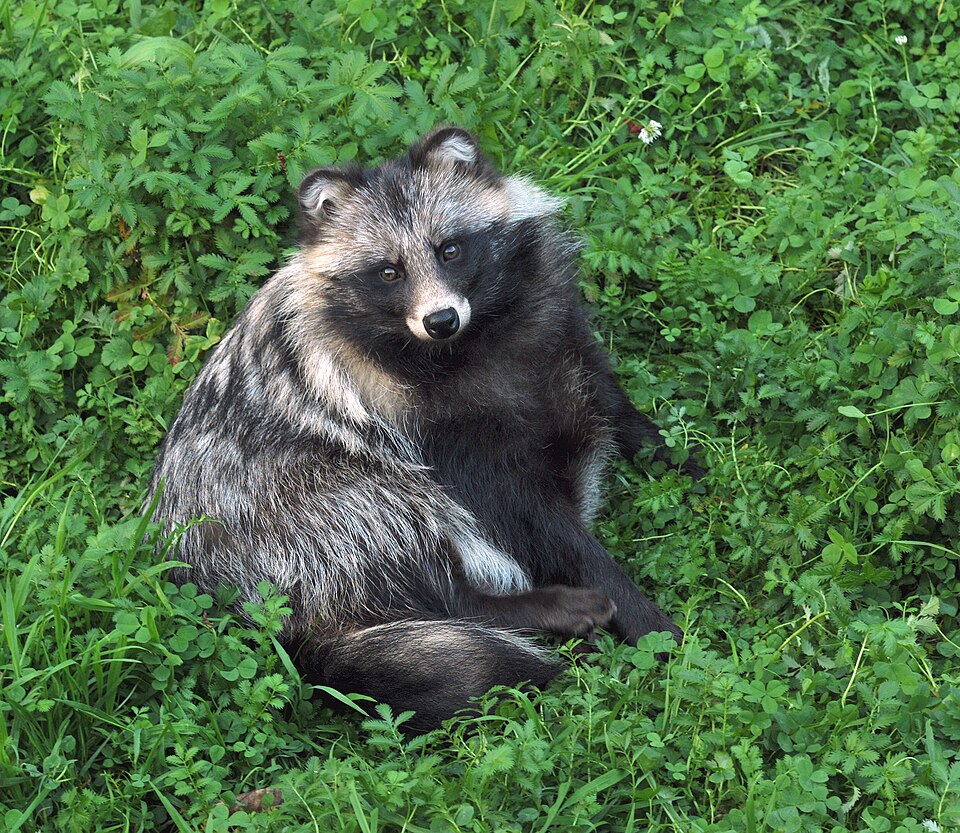
Common Raccoon Dog
The common raccoon dog is a member of the dog family, distinct from the raccoon. Explore its facial markings, body shape, varied foods and shelters, and principles for observing it near people.
Read the guide