
Frogs and Toads
Explore anuran amphibians, including frogs and toads. Larval and adult appearance, reproduction and dependence on water differ by species. Examine relationships between skin and habitat without generalizing every species as the earliest indicator of pollution.
Published animal profiles
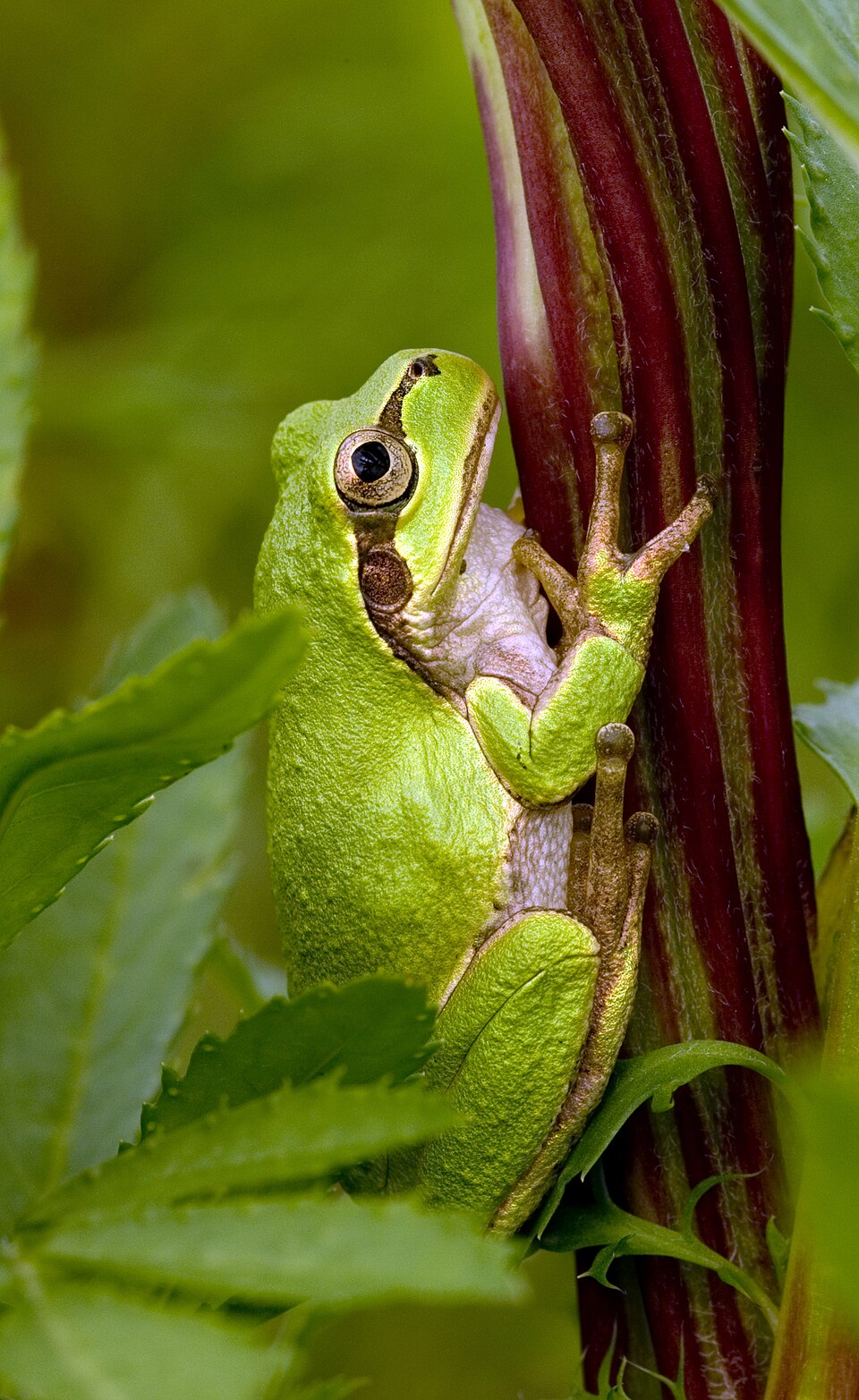
Japanese Tree Frog
Rounded toe tips and breeding calls: the tree frog encountered in Korea. The tree frog on this page means the East Asian Dryophytes japonicus, without grouping all animals called tree frogs in different countries into one species. Older material uses the scientific name Hyla japonica.
Read the guide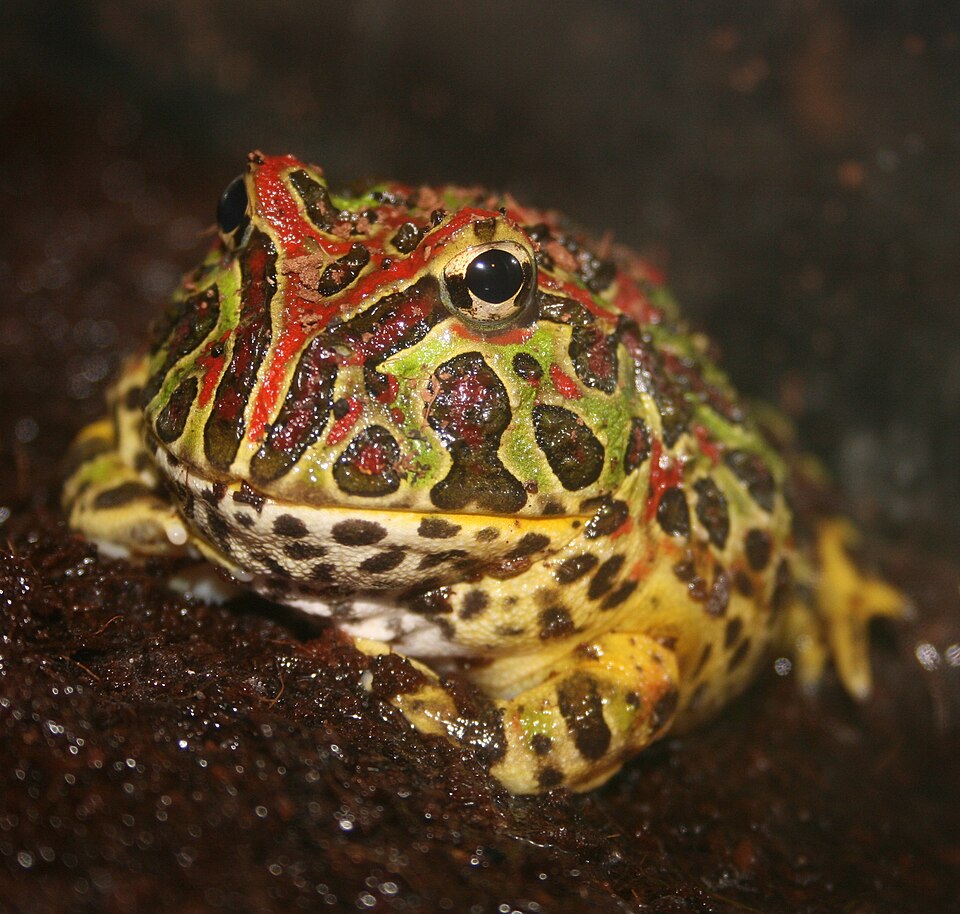
Pacman frog (horned frog)
Distinguishing a trade nickname from Argentine horned frog ecology. Pacman frog covers several horned frogs and captive lines; this page uses Ceratophrys ornata as its representative.
Read the guide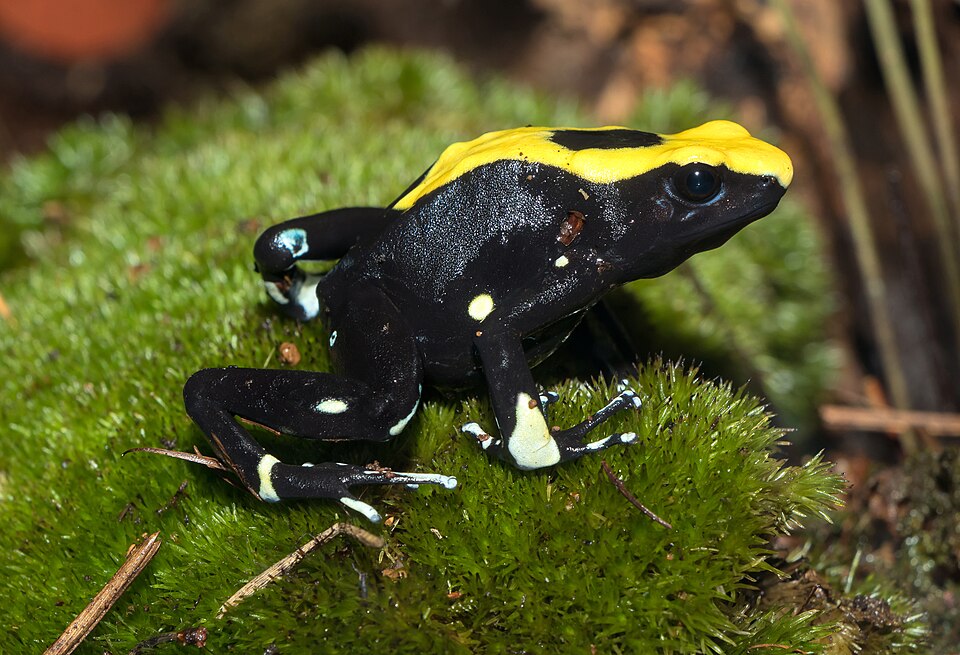
Poison Dart Frog
Distinguish poison dart frogs generally from the dyeing poison frog's colors and life cycle. Poison dart frog is a common name for several species in the poison frog family. Here the dyeing poison frog Dendrobates tinctorius is the representative.
Read the guide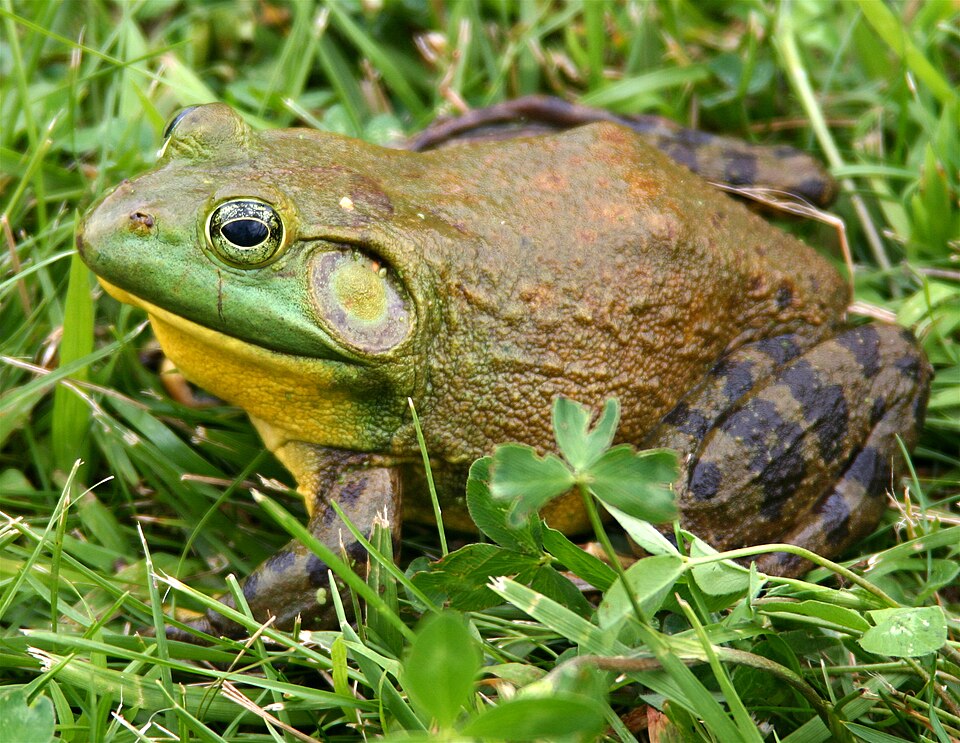
Bullfrog
Large eardrums and a deep call: distinguish native and introduced ranges. This page covers the eastern North American Lithobates catesbeianus, also called Rana catesbeiana in older sources, rather than the African bullfrog.
Read the guide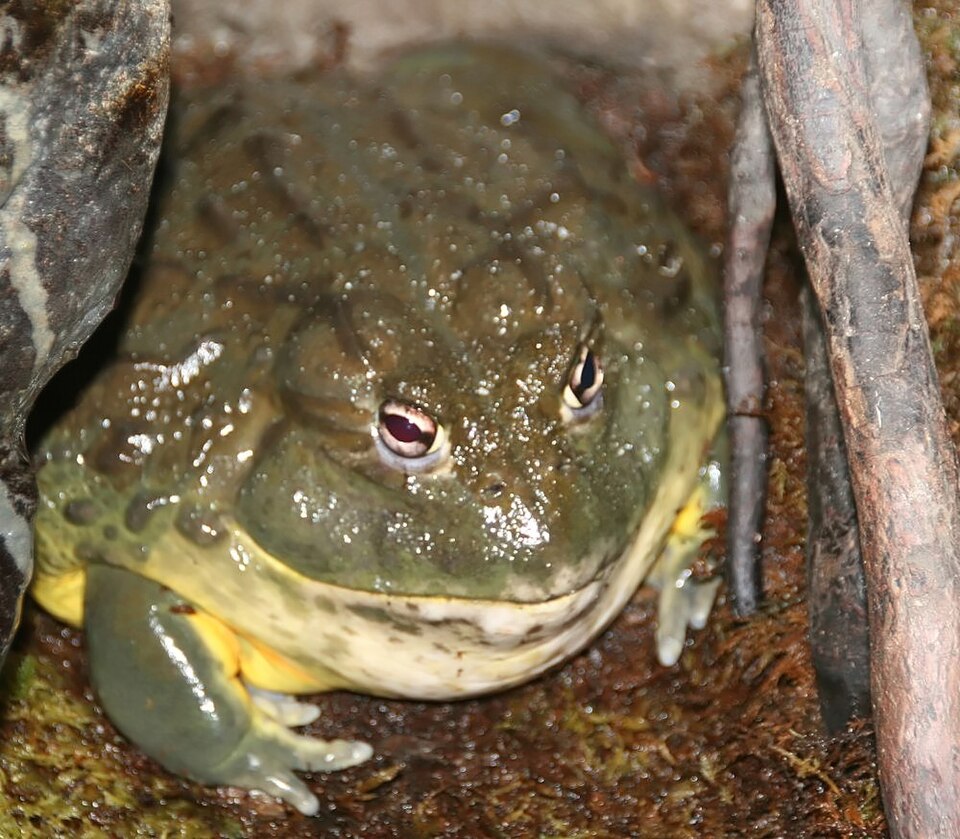
African bullfrog
Large males and dry-season adaptations distinguish its life from North American bullfrogs. The African bullfrog is a large anuran amphibian of a different species from the North American bullfrog.
Read the guide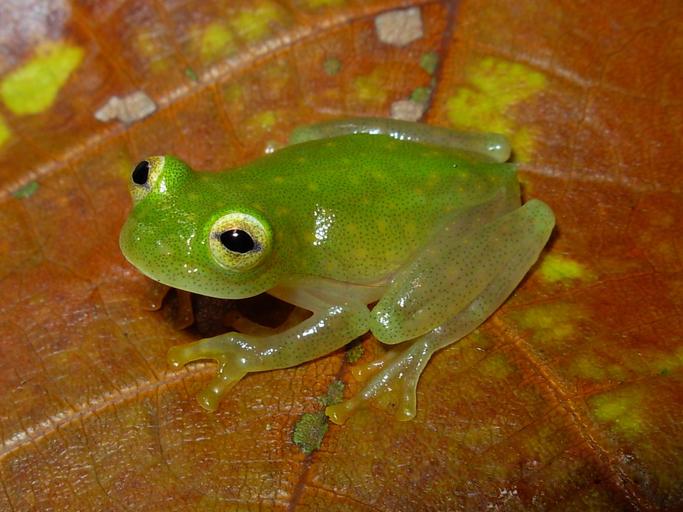
Glass frog
A translucent belly and eggs on leaves above water: distinguish the representative species. Glass frog covers many species; this entry uses Hyalinobatrachium fleischmanni as its example.
Read the guide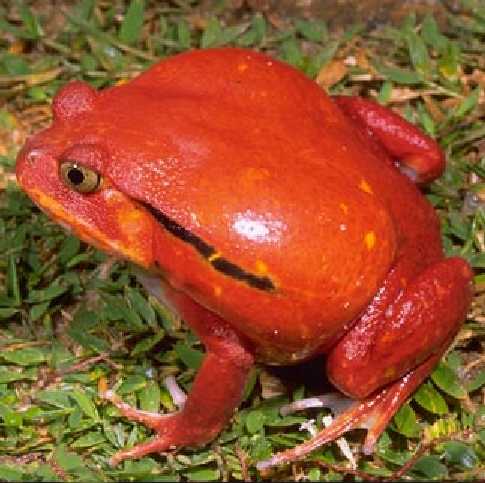
Tomato frog
A rounded red Malagasy frog with defensive skin secretions. The tomato frog is an anuran amphibian distinct from similarly named close Dyscophus species.
Read the guide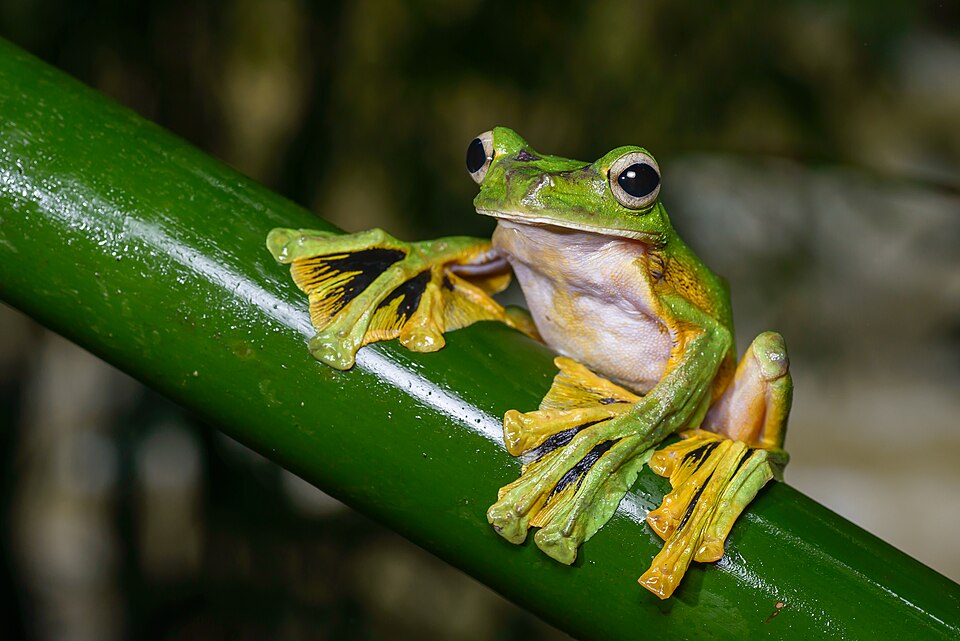
Wallace's flying frog
A tree frog uses broad webbing to control descent. Wallace's flying frog uses trees; it does not fly like a winged bird.
Read the guide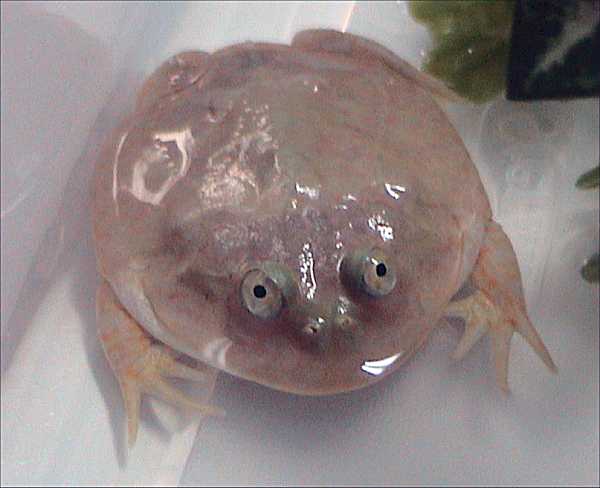
Budgett's frog
A broad, flattened frog uses seasonal pools. Budgett's frog is associated with the Chaco's seasonal waters and stands out for its large mouth and wide body.
Read the guide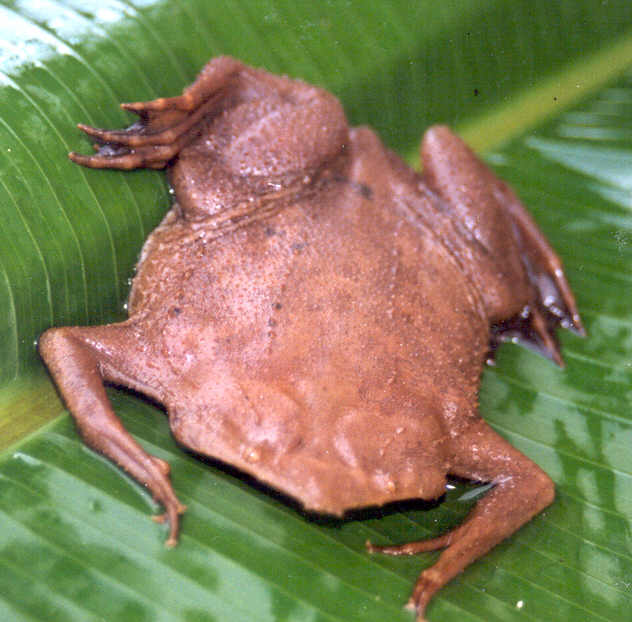
Surinam toad
Eggs develop within back skin in an aquatic frog's distinctive reproduction. The Surinam toad is adapted to underwater life, distinct from ordinary Bufo toads despite the common name.
Read the guide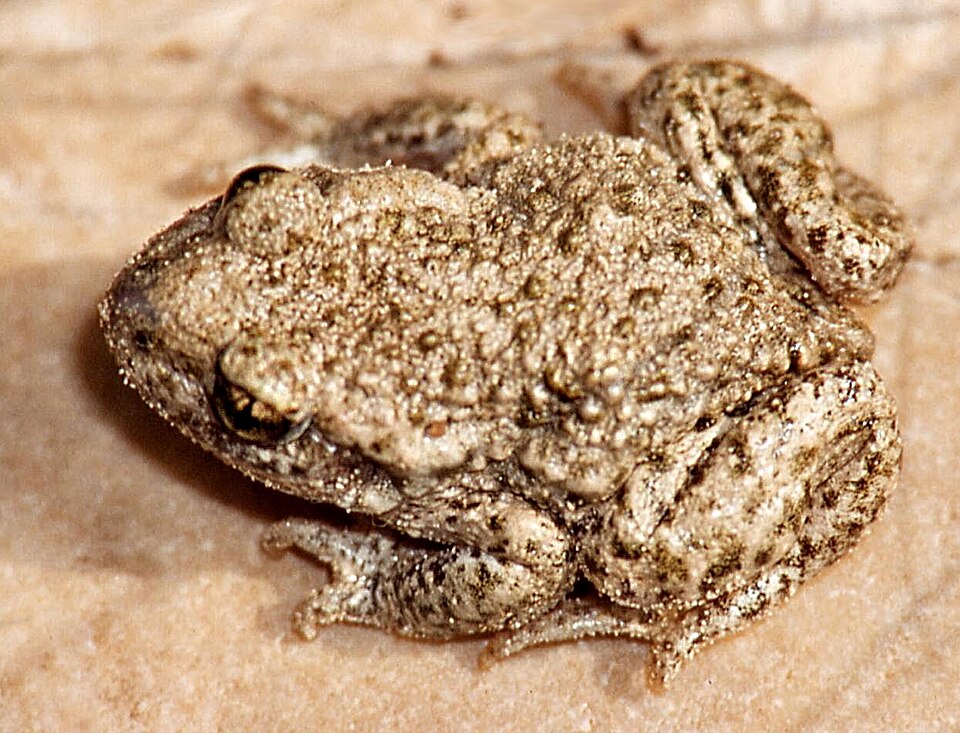
Midwife toad
Males carry egg strings: a name connected with breeding behaviour. Midwife toads belong to Alytes; this page describes the European Alytes obstetricans.
Read the guide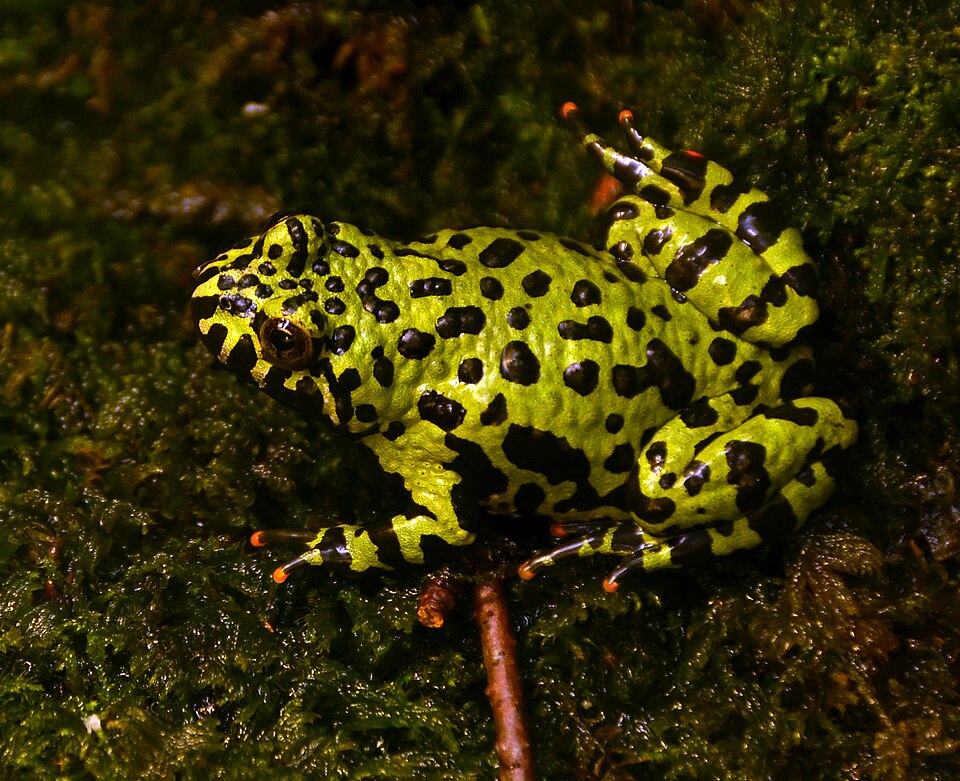
Oriental fire-bellied toad
A green or brown back and red belly: do not force defensive postures. Bombina orientalis is a frog known for belly colour and defence, rather than a salamander.
Read the guide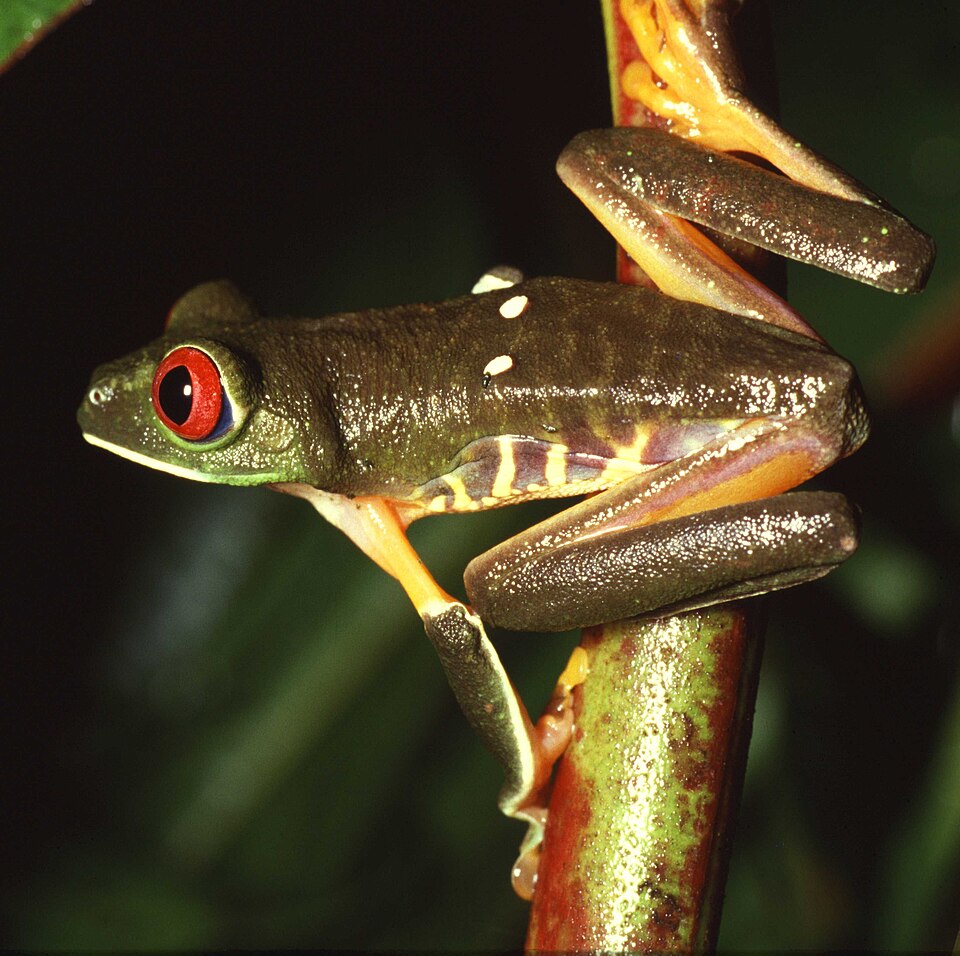
Red-eyed tree frog
Bright areas are concealed by day; leaves and branches are used at night. This tropical American arboreal frog is well known for contrasting eye and body colours.
Read the guide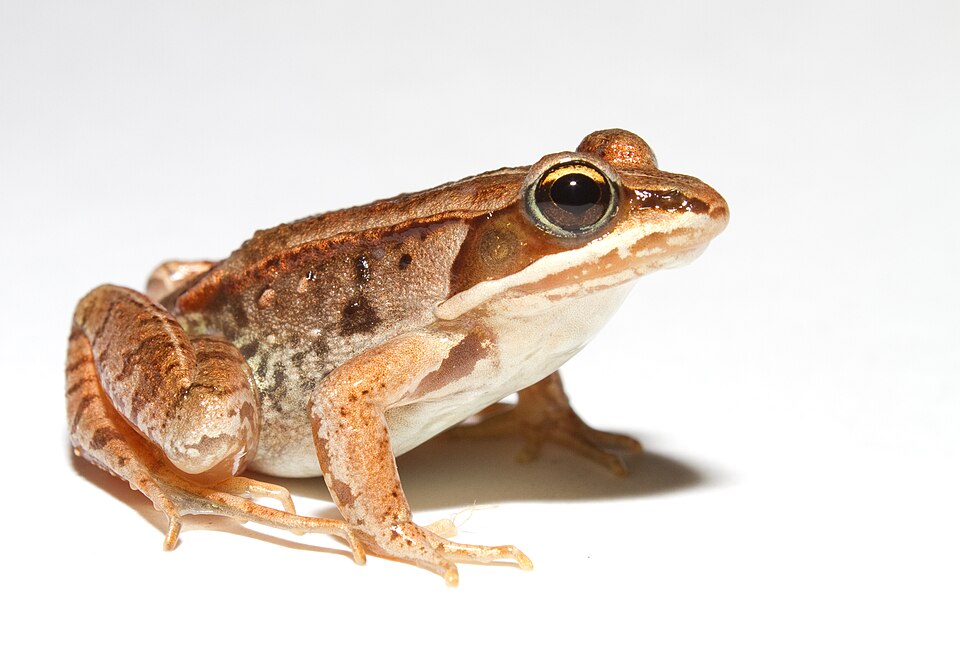
Wood frog
A dark eye mask and winter physiology should be understood separately. The North American wood frog is also called Rana sylvatica in some sources and is distinct from salamanders.
Read the guide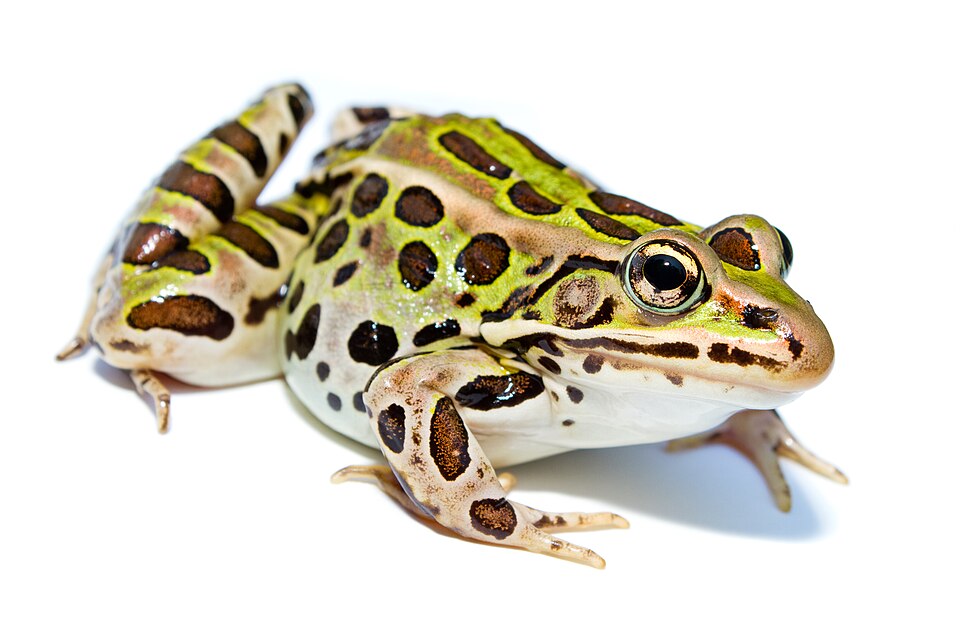
Leopard frog
Dark spots and pale dorsal ridges: the northern leopard frog is the representative. Leopard frog names several relatives; this page uses the northern species, also found under the old name Rana pipiens.
Read the guide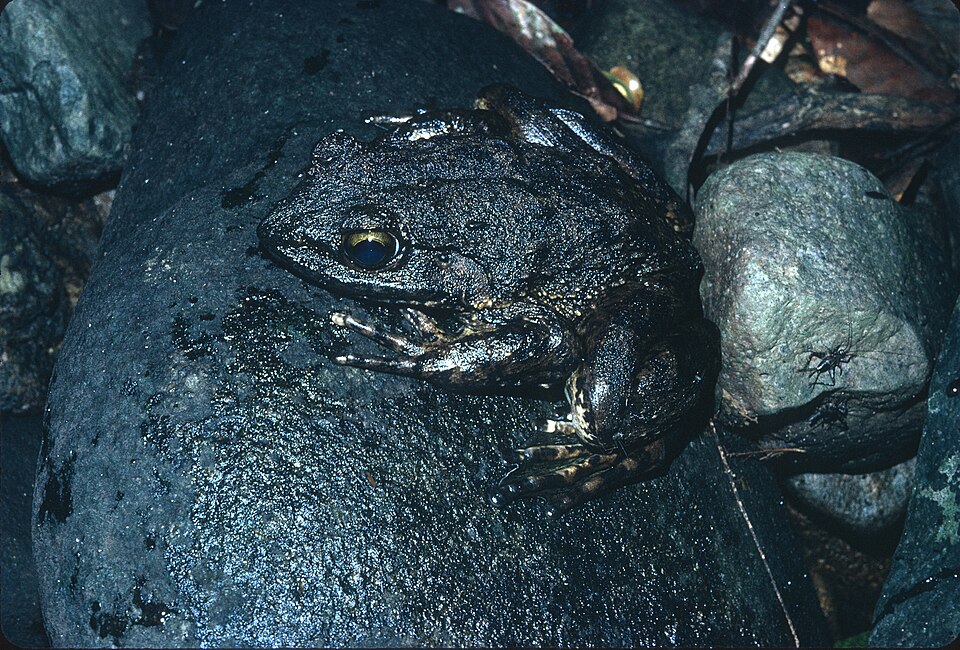
Goliath frog
Flowing rivers and larval food conditions matter as much as a large body. The Goliath frog is associated with rivers in Cameroon and Equatorial Guinea, rather than a salamander lineage.
Read the guide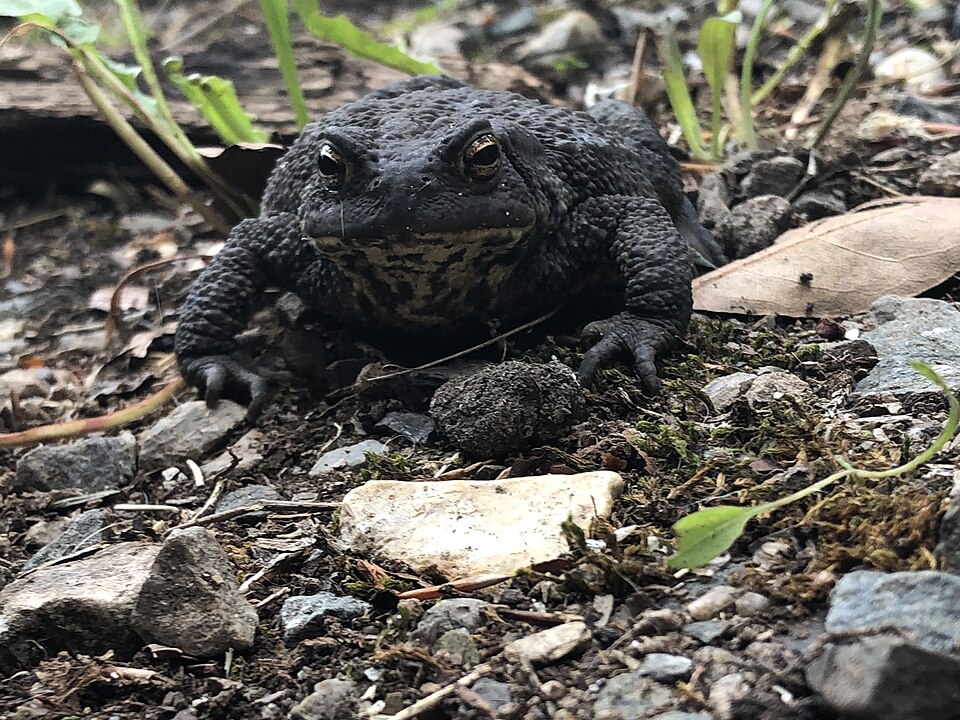
Common toad
Europe's common toad differs from species called toads in Korea. This page describes Bufo bufo, with scientific names distinguishing it from other species sharing the Korean common name.
Read the guide
Boreal digging frog
During the summer rains in Korea, this frog is easier to hear near wetlands. It starts life in water but spends much of its adult life underground.
Read the guide