
Ornithischian Dinosaurs
Explore several ornithischian lineages, including ornithopods and pachycephalosaurs as well as armored dinosaurs. Not all had armor or horns, and body structure, diet and movement differed. Distinguish each entry's fossils and discovery records from evidence used to infer ecology.
Published animal profiles
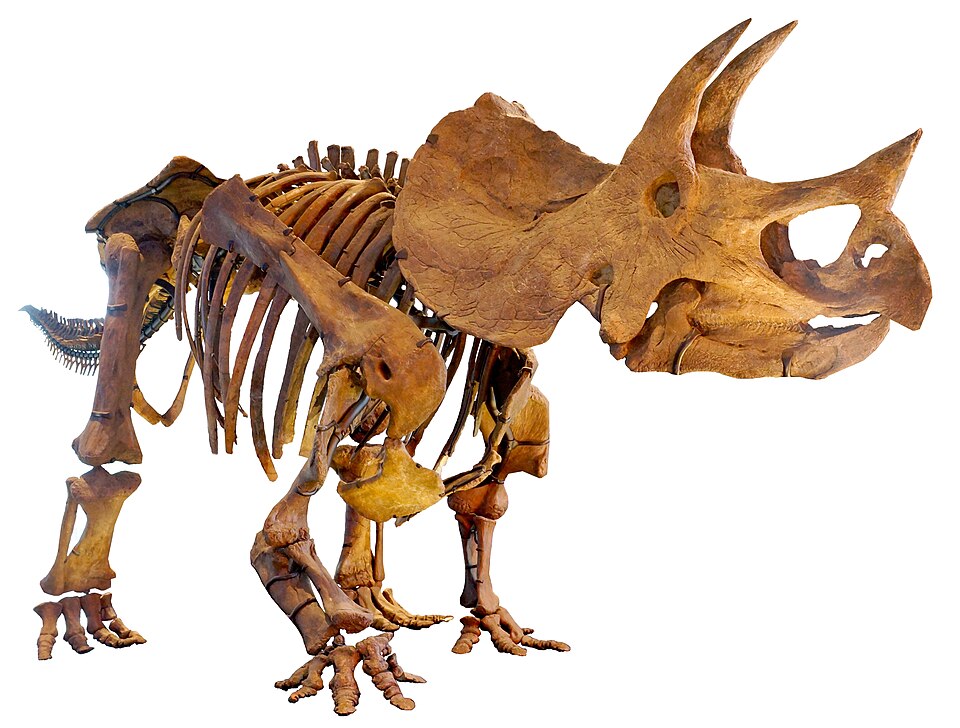
Triceratops
A latest-Cretaceous ceratopsian with three horns and a broad frill. Triceratops was a ceratopsian dinosaur living in Late Cretaceous North America. Its name refers to a three-horned face, taken from the long horns above the eyes and the horn above the nose.
Read the guide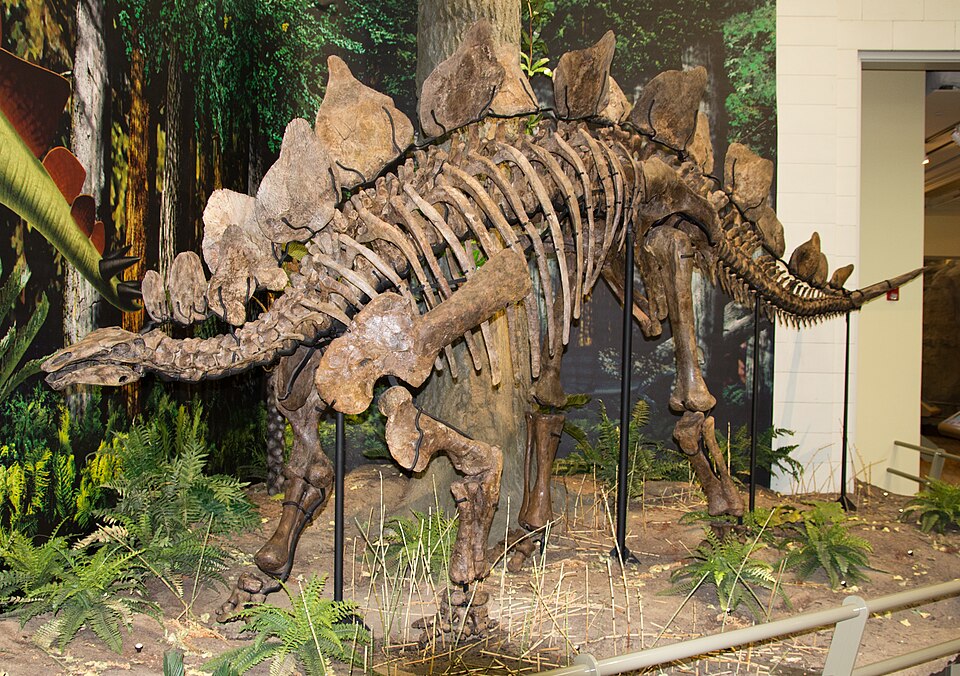
Stegosaurus
A stegosaur whose back plates and tail spikes merit separate attention. Stegosaurus was a stegosaurian dinosaur of the Late Jurassic. A representative herbivore known from North America's Morrison Formation, it did not live at the same time as the latest-Cretaceous Tyrannosaurus.
Read the guide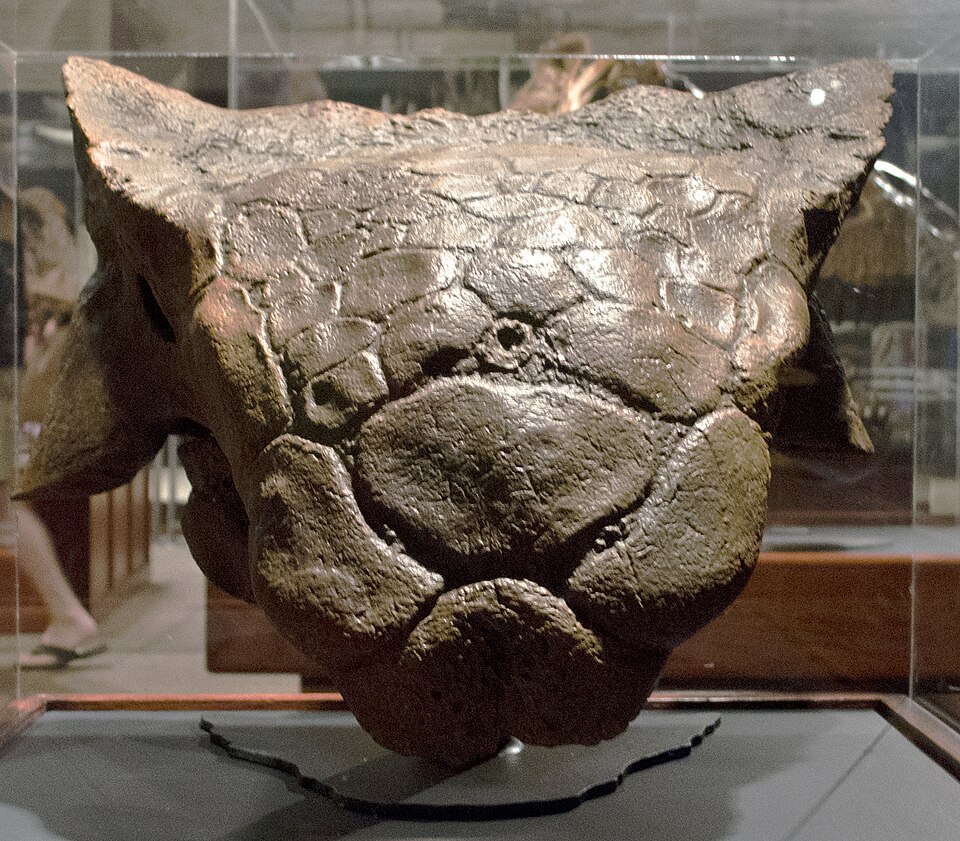
Ankylosaurus
An armoured dinosaur with bony armour and a clubbed tail. Ankylosaurus lived in North America at the end of the Late Cretaceous; despite its familiar name, no fully complete skeleton is known, and reconstruction also compares close relatives.
Read the guide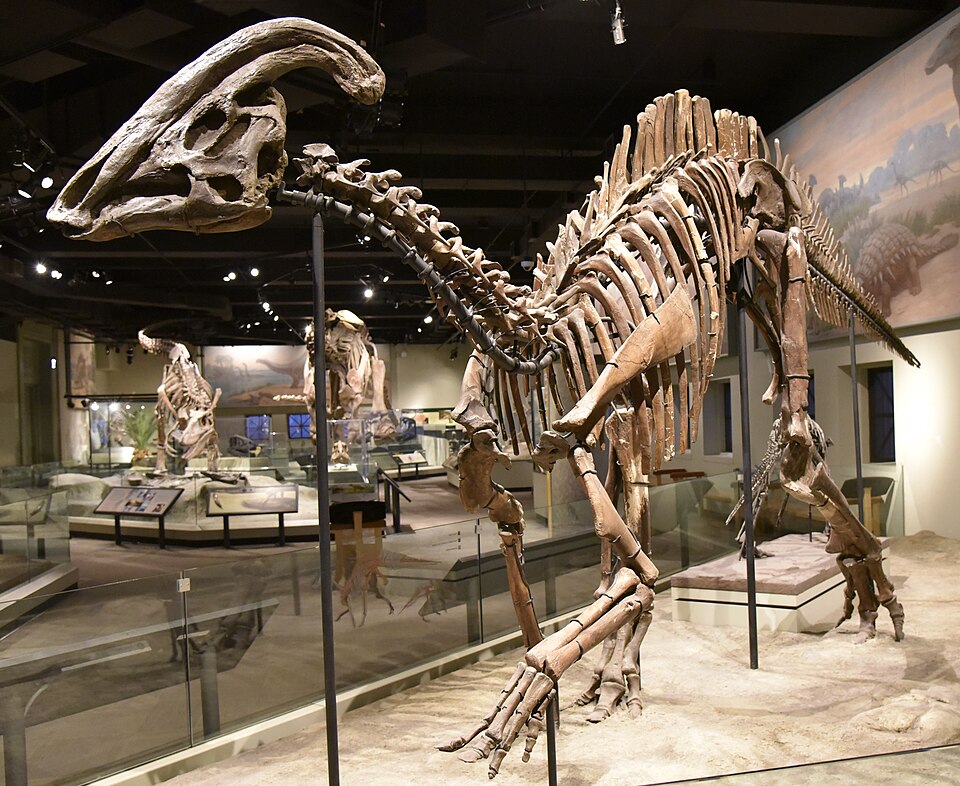
Parasaurolophus
A long hollow crest behind the head and jaws for processing plants. Parasaurolophus was a hadrosaurid ornithischian, a herbivore different from long-necked sauropods.
Read the guide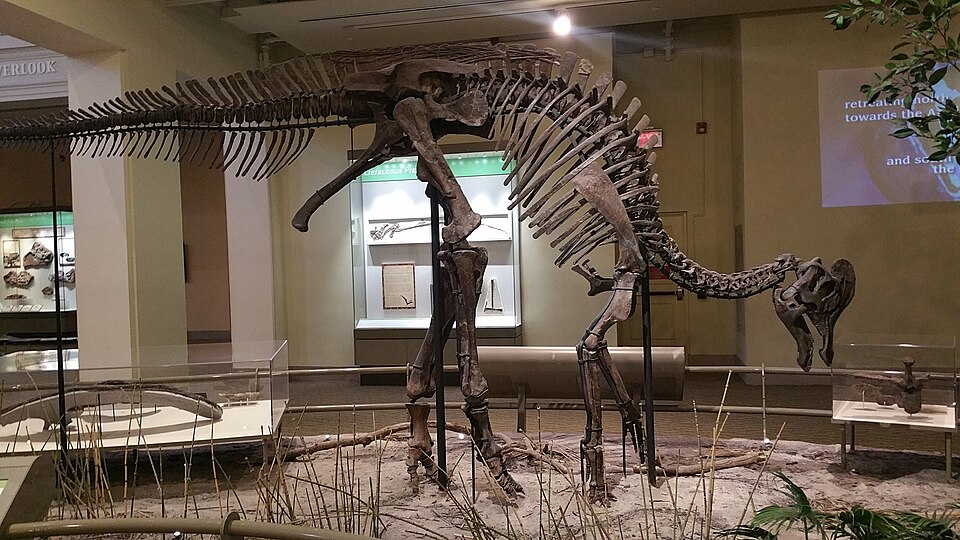
Corythosaurus
Comparing a helmet-like crest with related hadrosaurs. Corythosaurus was a crested hadrosaur interpreted as feeding on plants.
Read the guide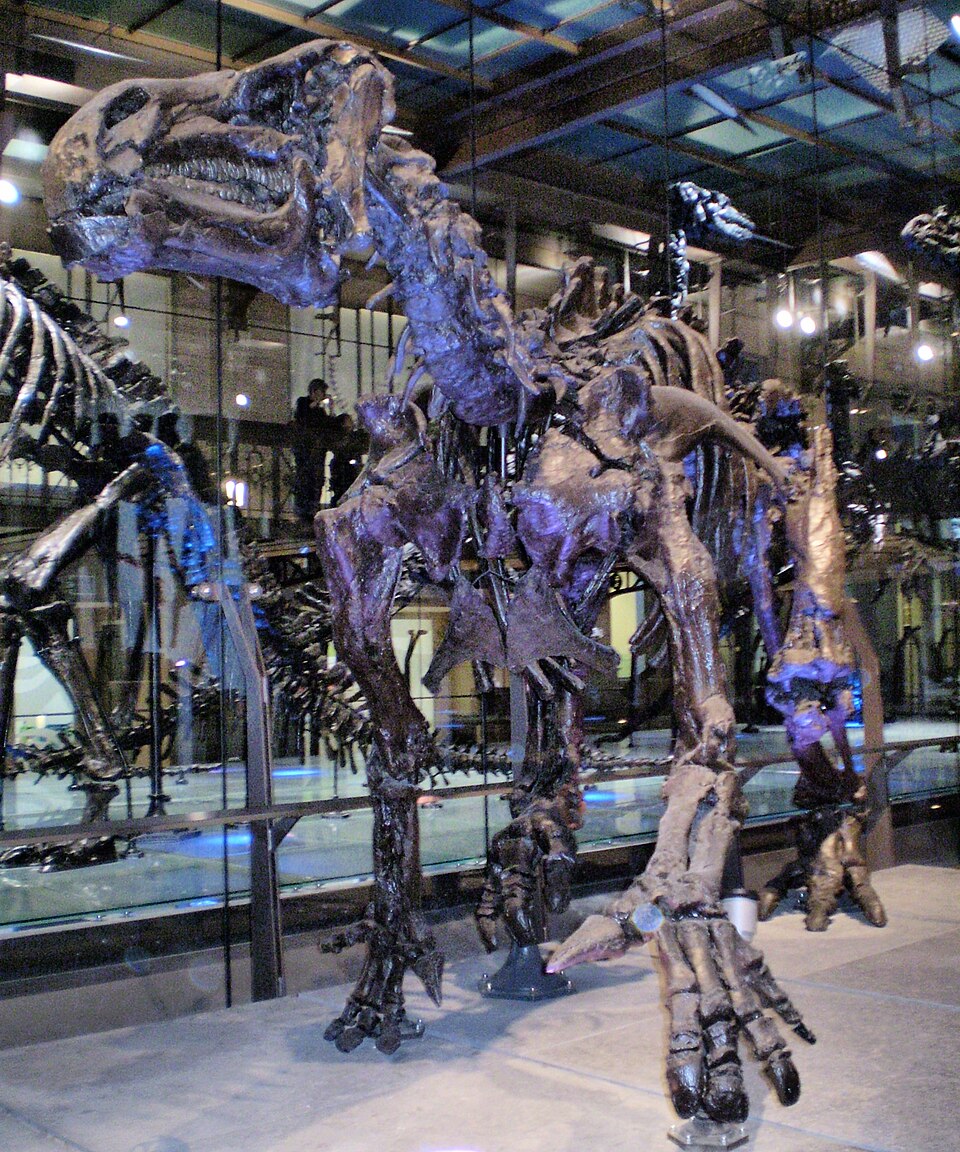
Iguanodon
A thumb spike and reconstruction history reveal how herbivorous dinosaurs are studied. Iguanodon is an ornithopod important in early dinosaur research, with older reconstructions subsequently revised.
Read the guide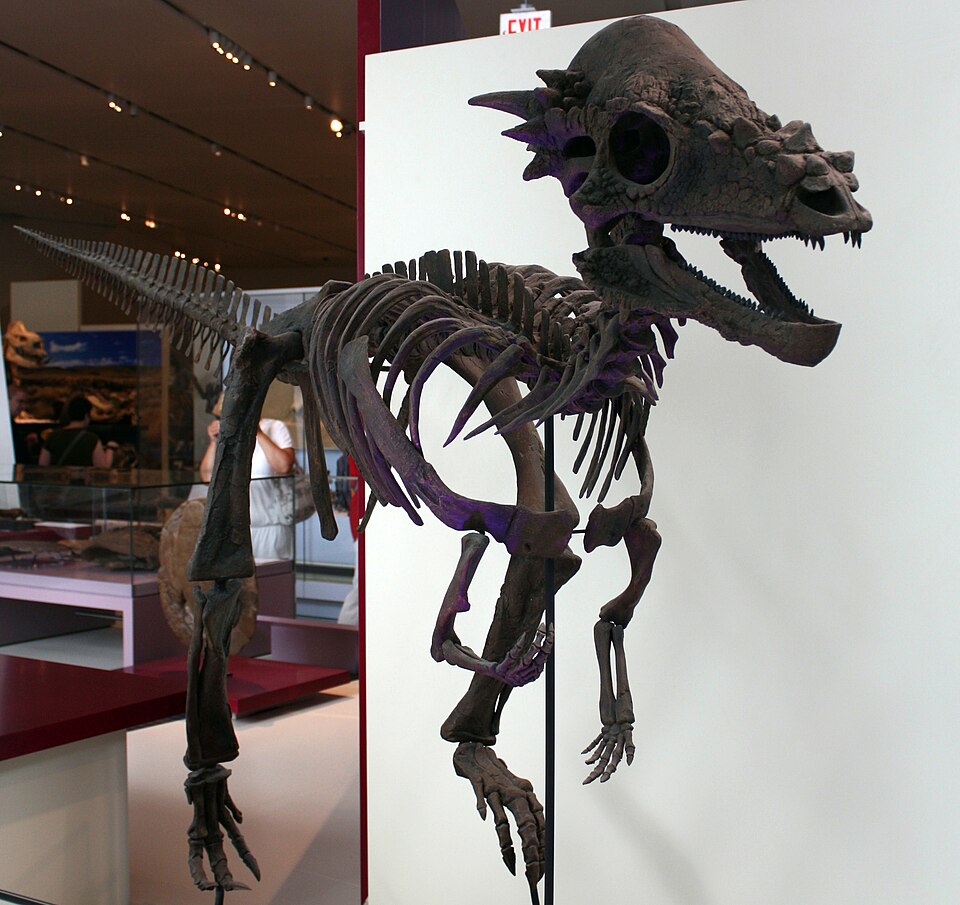
Pachycephalosaurus
Studying the function and growth of a thick-skulled dinosaur. Pachycephalosaurus was an ornithischian with a thick skull, rather than a long-necked sauropod.
Read the guide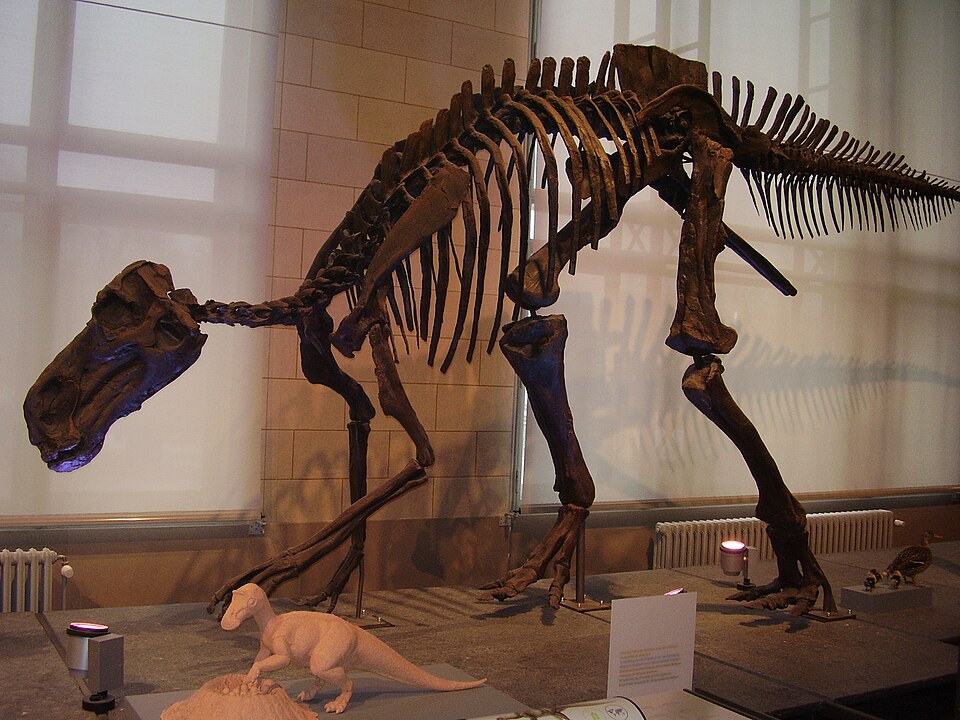
Maiasaura
Nests and fossils of different growth stages provide clues to reproduction. Maiasaura is a hadrosaur known from nests and young individuals, with a name related to interpretations of breeding behaviour.
Read the guide