
Dinosaurs and other prehistoric animals
Compare the skeletons of Tyrannosaurus, the pterosaur Pteranodon and the synapsid Dimetrodon. See how fossils reveal the ways these groups lived.
Browse categories
Theropods and Dinosaurs Close to Birds
Explore carnivorous theropods, plant-eating lineages and dinosaurs closely related to birds together. These animals did not all share the same food, feathers or flight ability. Distinguish structures confirmed by fossils, ecological inferences and artistic reconstruction.
Ornithischian Dinosaurs
Explore several ornithischian lineages, including ornithopods and pachycephalosaurs as well as armored dinosaurs. Not all had armor or horns, and body structure, diet and movement differed. Distinguish each entry's fossils and discovery records from evidence used to infer ecology.
Sauropods
Explore sauropod dinosaurs with long necks and large four-legged bodies. Body size and neck-to-tail proportions differ by species, and figures estimated from incomplete specimens have ranges. Compare evidence for diet and movement while checking the difference between skeletal specimens and reconstruction material.
Pterosaurs, marine reptiles and synapsids
Explore pterosaurs, marine reptiles and synapsids, which must be distinguished from dinosaurs. Living in the same period or looking similar in reconstructions does not place animals in the same taxonomic group. Each profile distinguishes actual fossils and skeletons from reconstructions of the animal’s appearance in life.
Published animal profiles
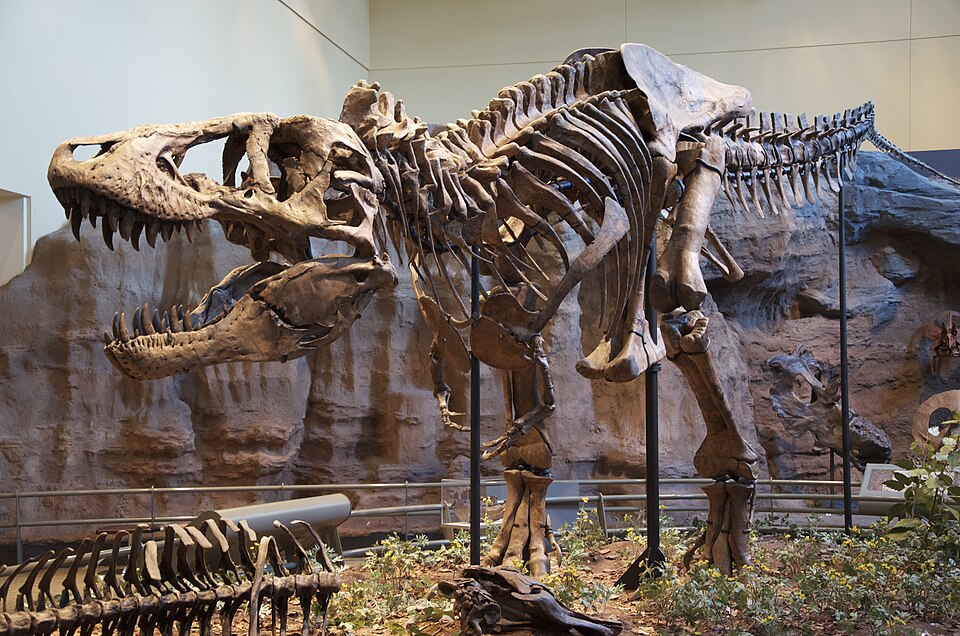
Tyrannosaurus
Reading Tyrannosaurus’s huge jaws and bipedal movement from fossils. Tyrannosaurus rex was a tyrannosaurid theropod living in North America near the end of the Late Cretaceous. Known through bones and teeth from Canada and the United States, it lived at a different time from Jurassic Allosaurus.
Read the guide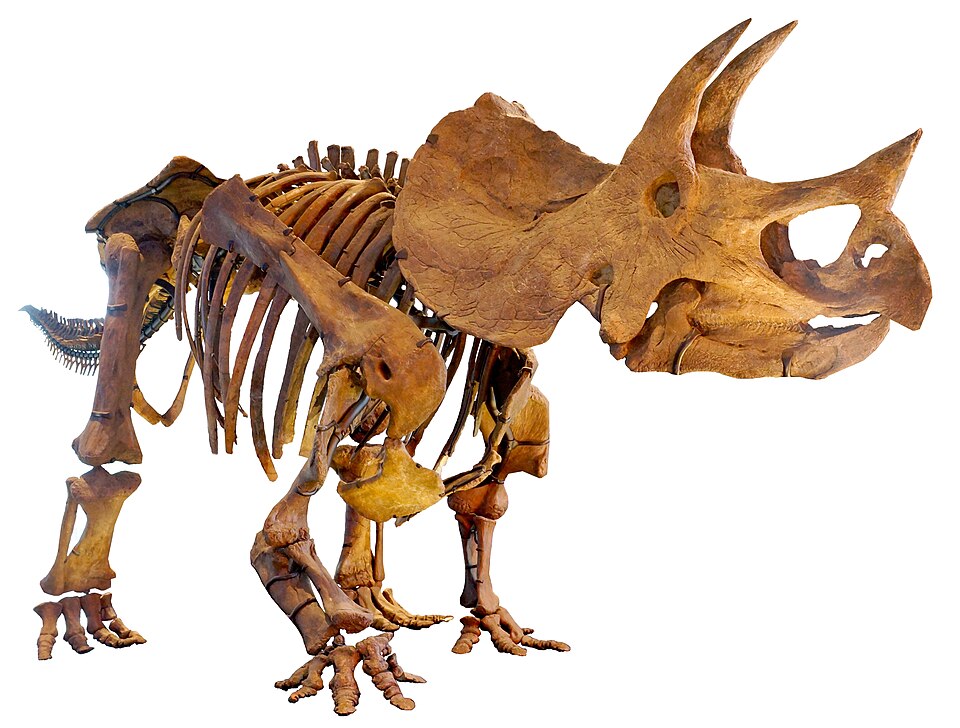
Triceratops
A latest-Cretaceous ceratopsian with three horns and a broad frill. Triceratops was a ceratopsian dinosaur living in Late Cretaceous North America. Its name refers to a three-horned face, taken from the long horns above the eyes and the horn above the nose.
Read the guide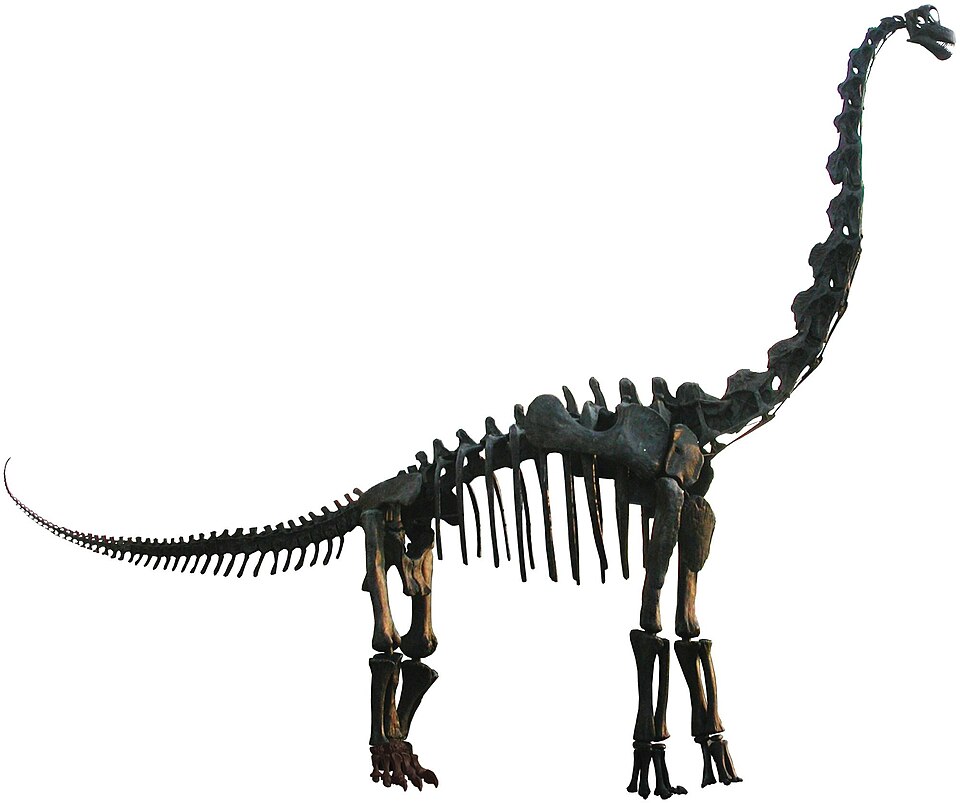
Brachiosaurus
A sauropod distinguished by long forelimbs and high shoulders. Brachiosaurus was a sauropod dinosaur living in Late Jurassic North America. This page focuses on the North American Brachiosaurus altithorax.
Read the guide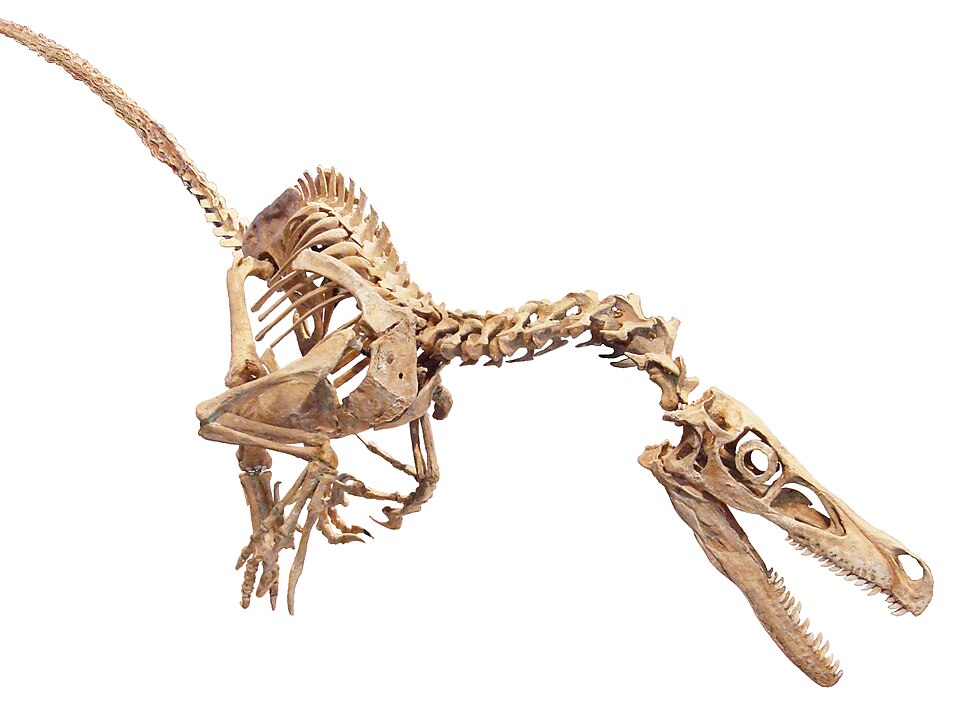
Velociraptor
A small feathered dinosaur whose actual skeleton differs from its film image. Velociraptor was a dromaeosaurid theropod of Late Cretaceous East Asia; Mongolian fossils are important research material, and this page focuses on Velociraptor mongoliensis.
Read the guide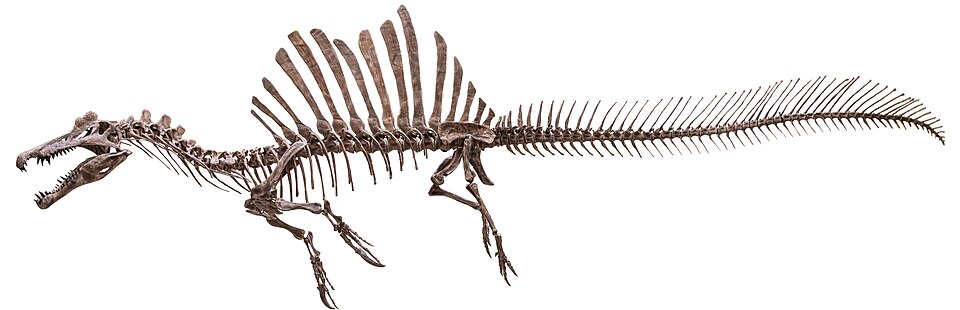
Spinosaurus
A theropod with a long snout and tall back spines, studied for life near water. Spinosaurus was a large North African theropod of the Cretaceous, investigated through fossils from Egypt, Morocco and elsewhere; this page covers Spinosaurus aegyptiacus.
Read the guide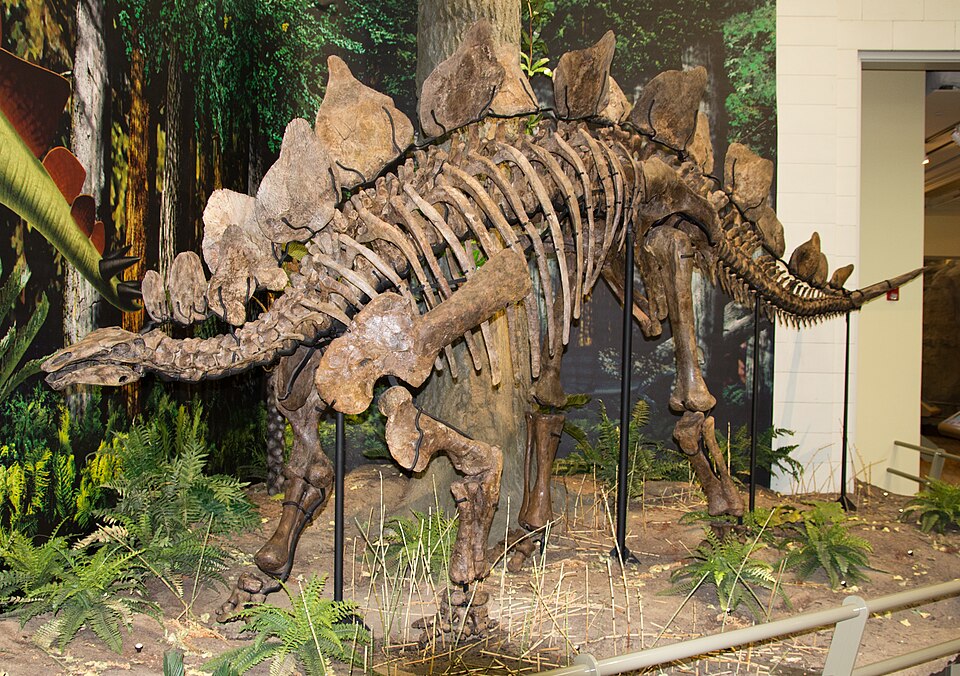
Stegosaurus
A stegosaur whose back plates and tail spikes merit separate attention. Stegosaurus was a stegosaurian dinosaur of the Late Jurassic. A representative herbivore known from North America's Morrison Formation, it did not live at the same time as the latest-Cretaceous Tyrannosaurus.
Read the guide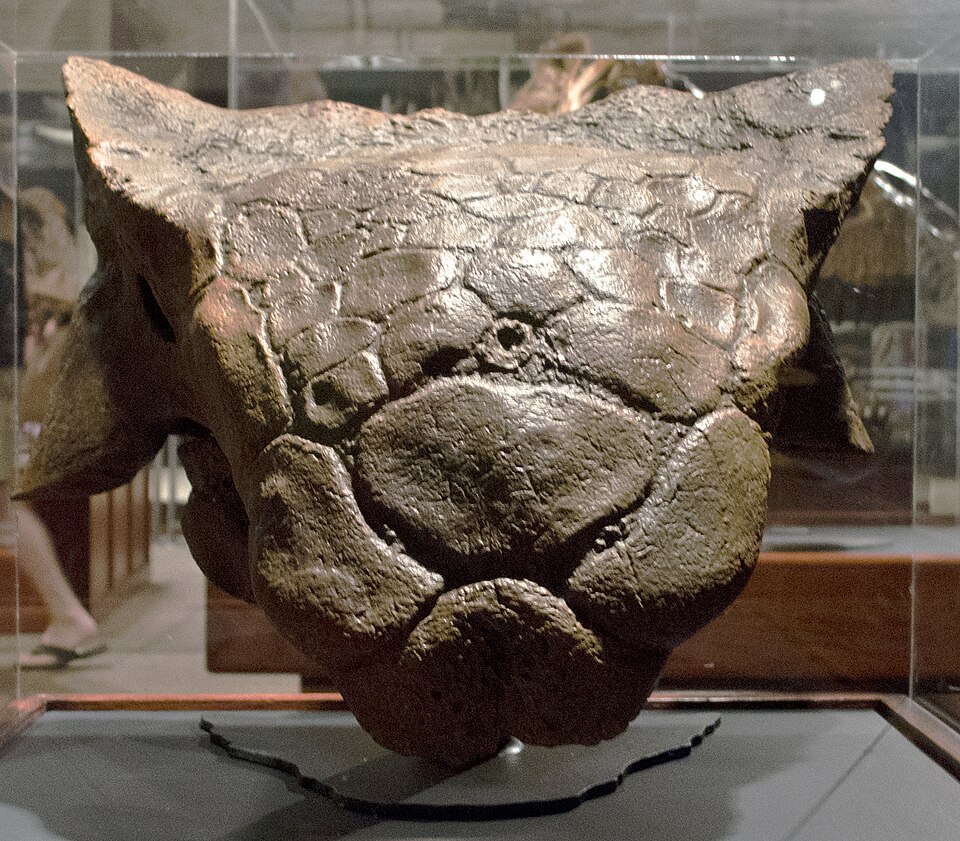
Ankylosaurus
An armoured dinosaur with bony armour and a clubbed tail. Ankylosaurus lived in North America at the end of the Late Cretaceous; despite its familiar name, no fully complete skeleton is known, and reconstruction also compares close relatives.
Read the guide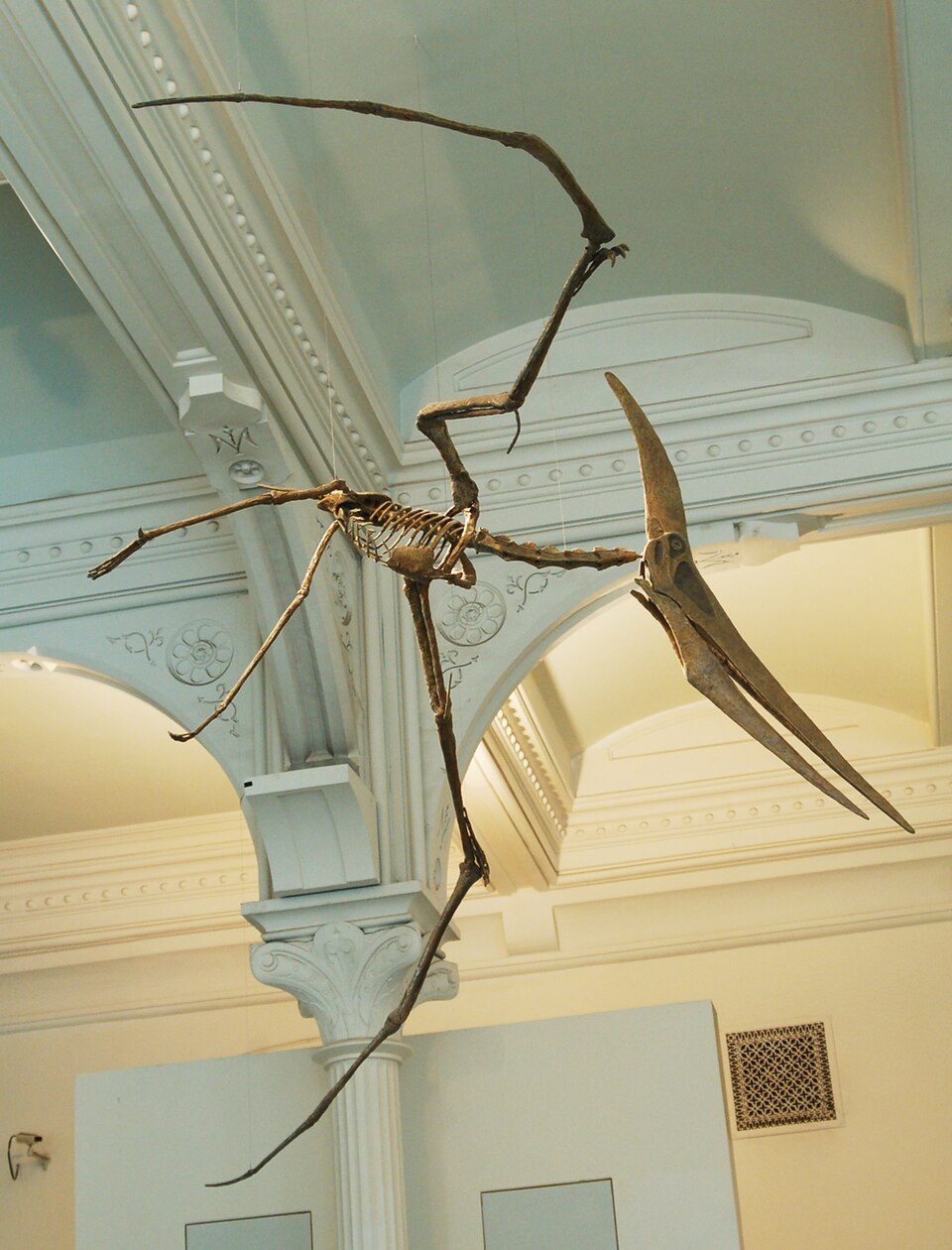
Pteranodon
A coastal pterosaur with a toothless bill and wing membranes. Pteranodon was a pterosaur rather than a dinosaur; distinguish these flying reptiles of the same era from a type of dinosaur.
Read the guide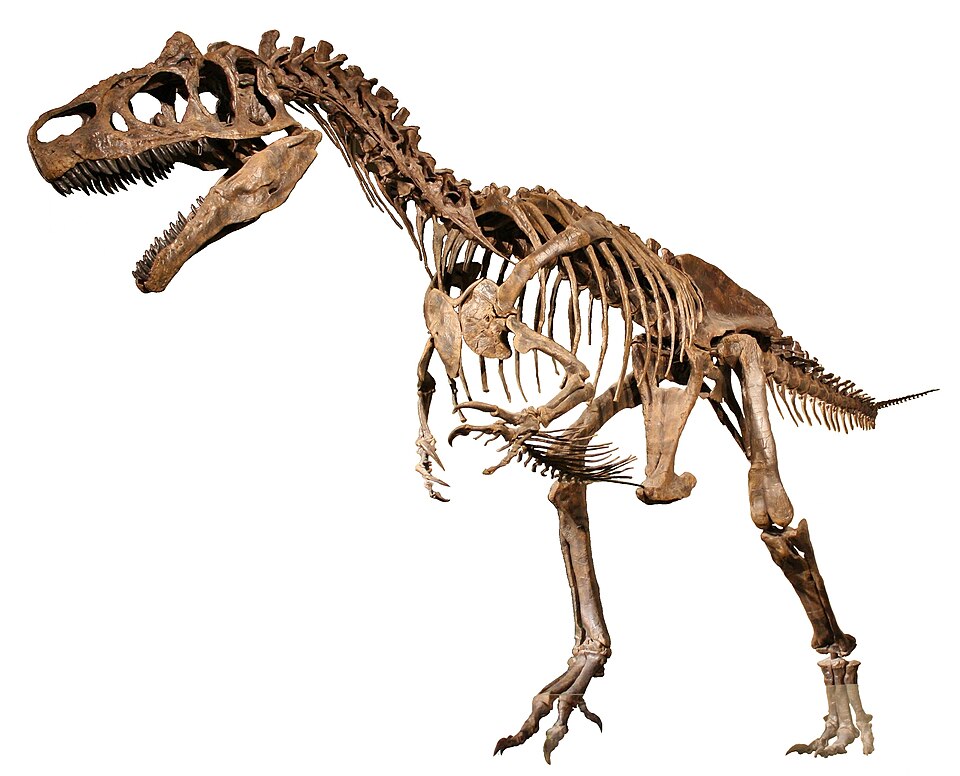
Allosaurus
Reading a Jurassic predator's jaws and three fingers through its skeleton. Allosaurus was a Late Jurassic theropod, a predator from an earlier time than Tyrannosaurus.
Read the guide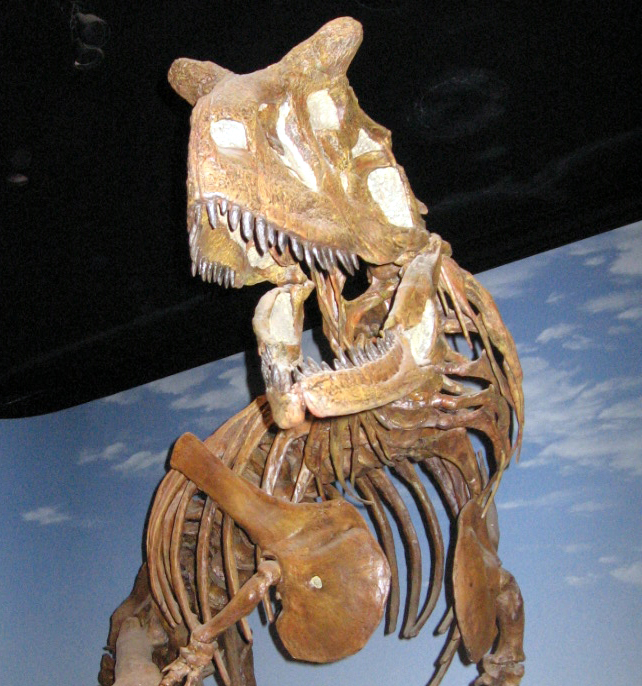
Carnotaurus
A South American theropod with horns above its eyes and preserved skin traces. Carnotaurus was an abelisaurid theropod, rather than a long-necked herbivorous sauropod.
Read the guide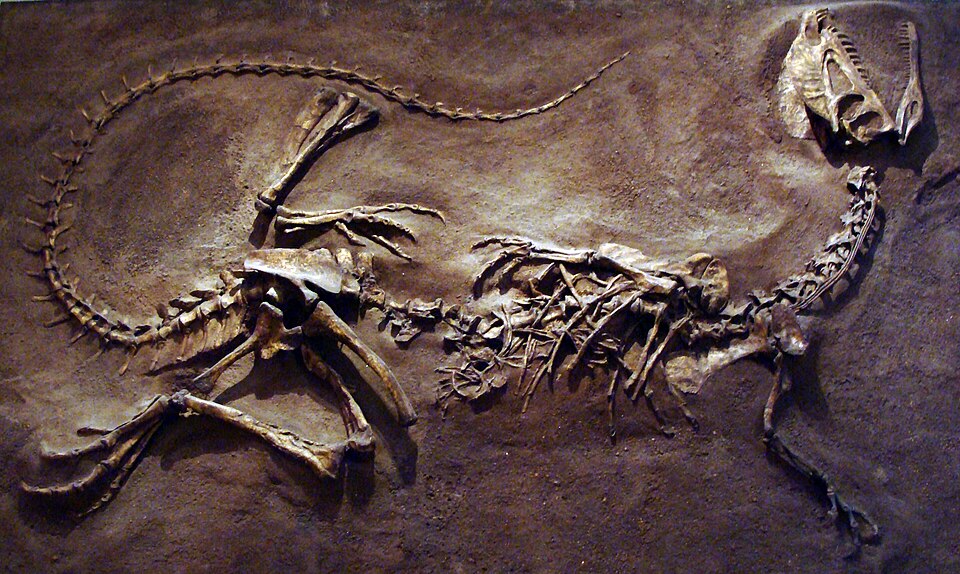
Dilophosaurus
Two crests distinguish an Early Jurassic theropod from fictional film features. Dilophosaurus was named for the crests on its head.
Read the guide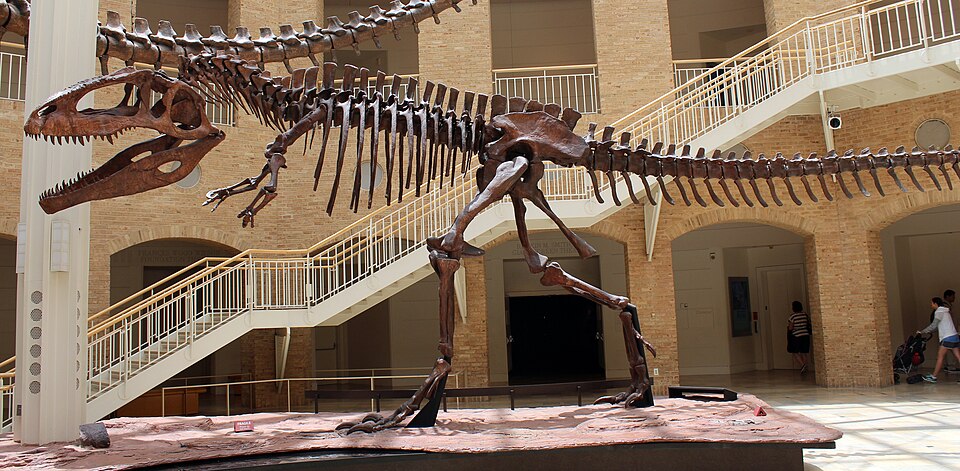
Giganotosaurus
Understanding a predator through specimens and estimation methods before giant-size claims. Giganotosaurus was discovered in Argentina and differs in time and lineage from other similarly sized dinosaurs.
Read the guide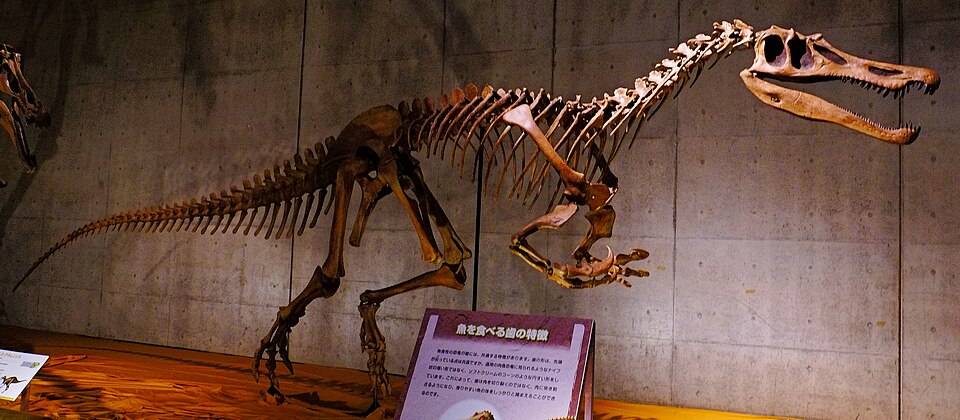
Baryonyx
A theropod with a long snout, large hand claw and preserved food traces. Baryonyx was a spinosaurid; British fossils provide important evidence for its diet and anatomy.
Read the guide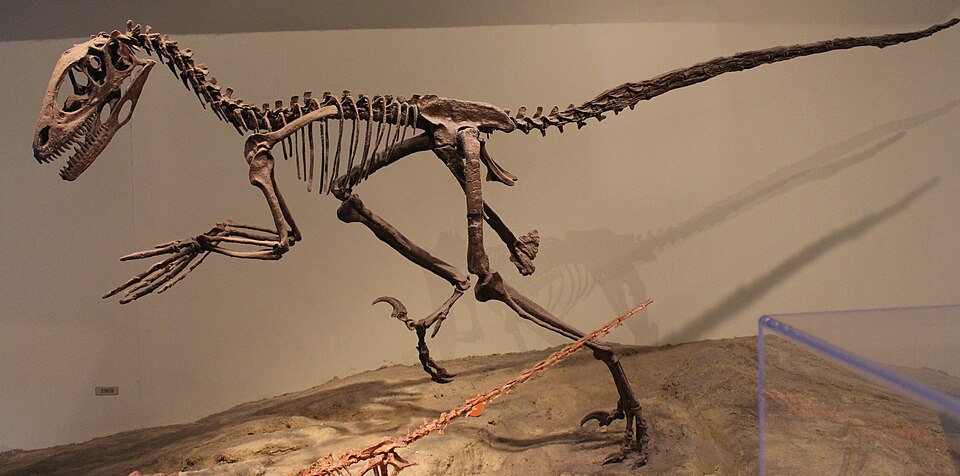
Deinonychus
Understanding a theropod through a large hind claw and balancing tail. Deinonychus was a dromaeosaurid that played an important role in research on dinosaur–bird relationships.
Read the guide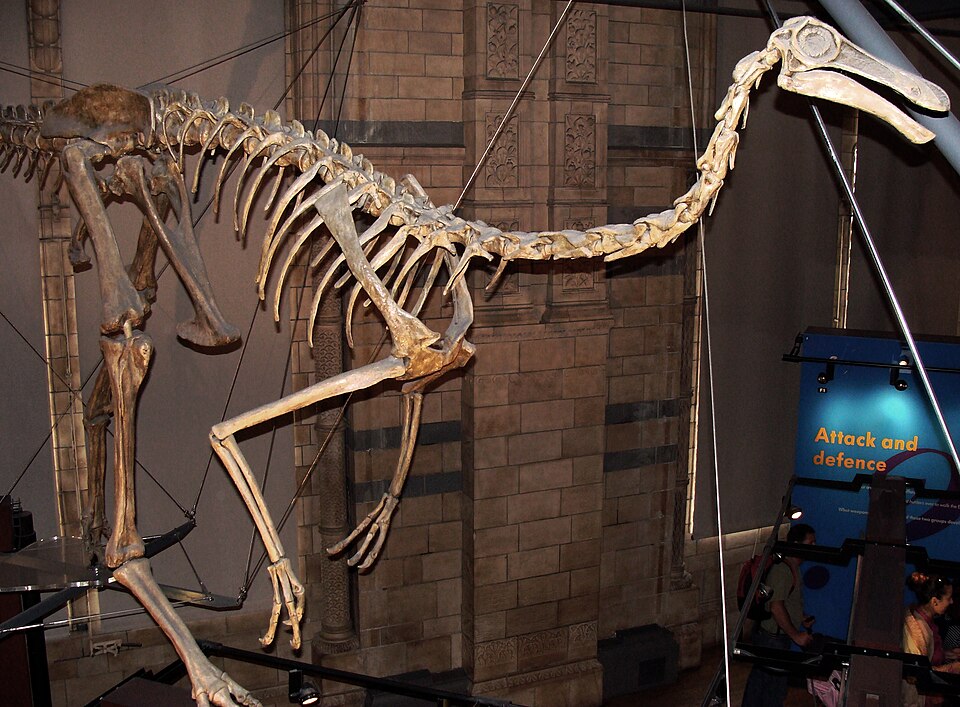
Gallimimus
A Mongolian dinosaur with an ostrich-like outline and toothless bill. Gallimimus was an ornithomimid theropod; the lineage name theropod does not mean every species was carnivorous.
Read the guide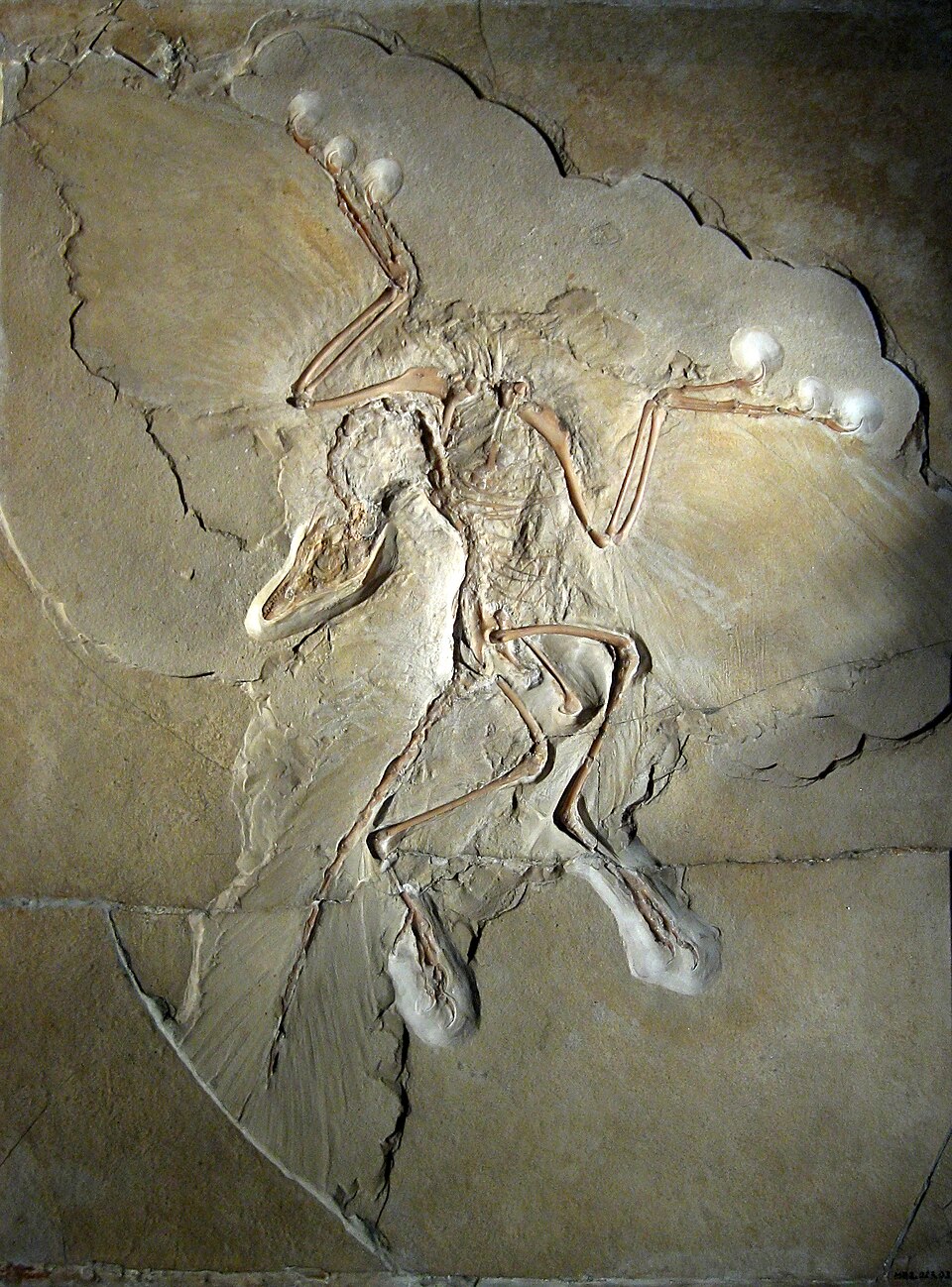
Archaeopteryx
An early bird lineage preserving feathers, teeth and a long bony tail together. Archaeopteryx shows traits of early birds and closely related dinosaur lineages; wings do not place it with pterosaurs.
Read the guide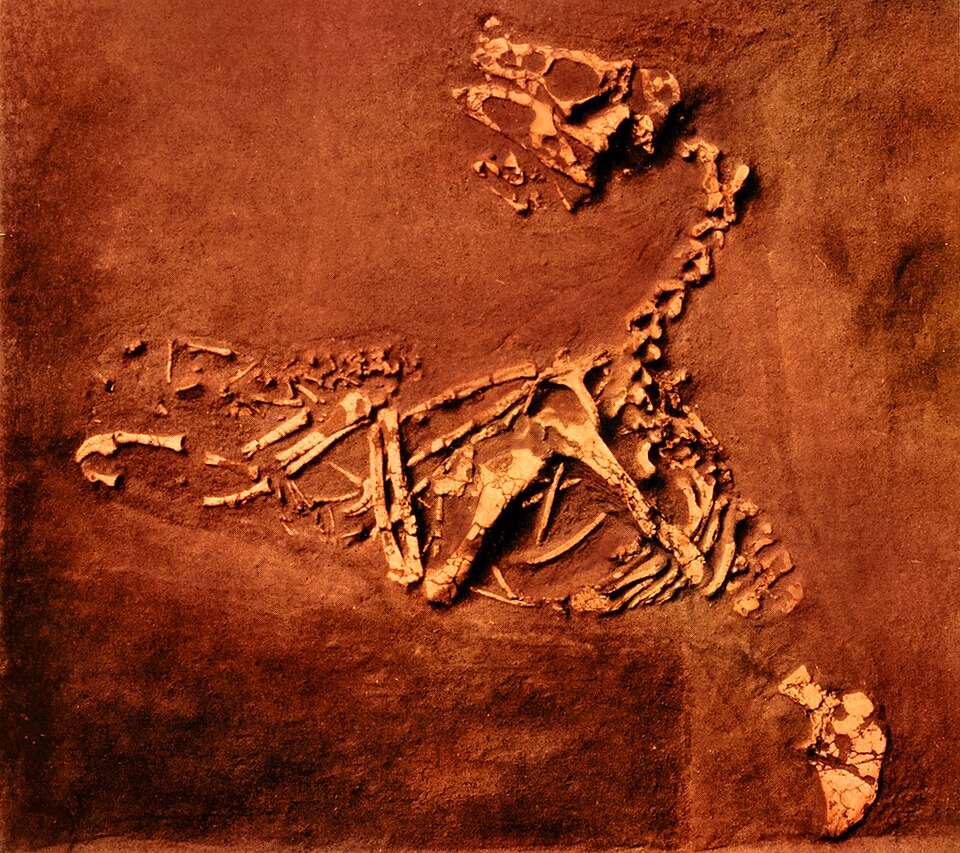
Oviraptor
The name egg thief is separate from the interpretation of nesting fossils. Oviraptor was an oviraptorosaur theropod; its name does not establish egg-stealing behaviour.
Read the guide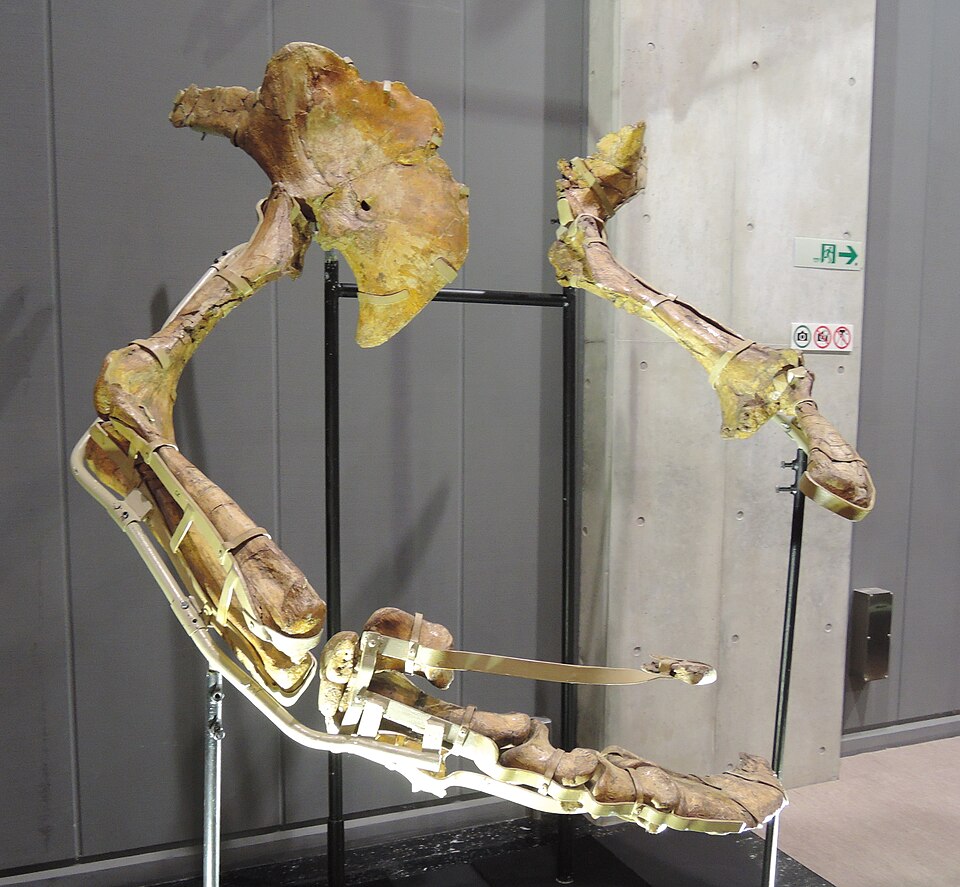
Therizinosaurus
Long claws alone do not establish a carnivorous dinosaur. Therizinosaurus was a theropod in a lineage interpreted as having plant-feeding adaptations; theropod and carnivorous dinosaur are not exact synonyms.
Read the guide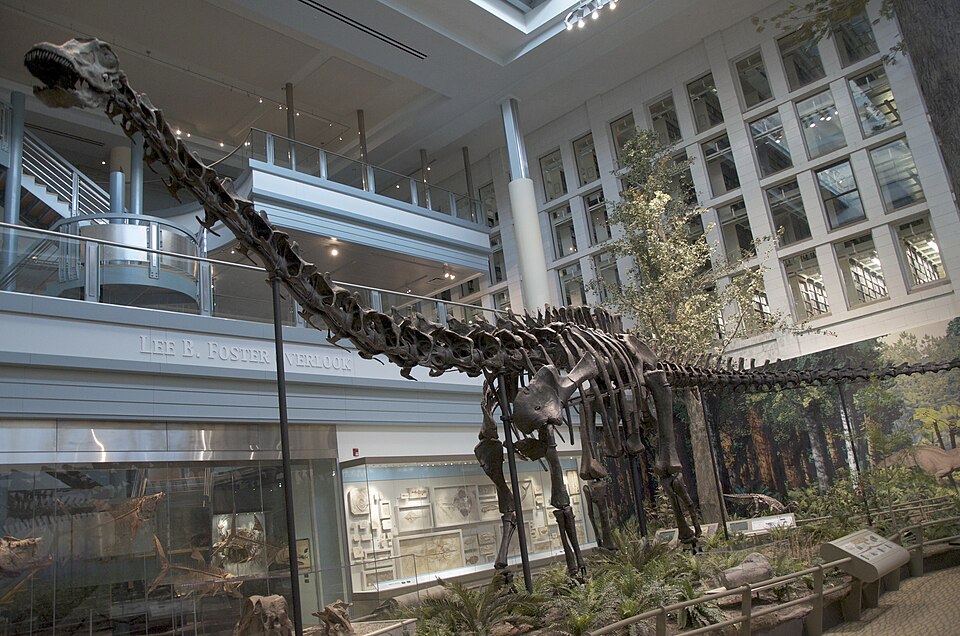
Diplodocus
A sauropod with a long slender neck and tail, and teeth concentrated at the front. Diplodocus is a long-necked sauropod discovered in North American Jurassic sediments.
Read the guide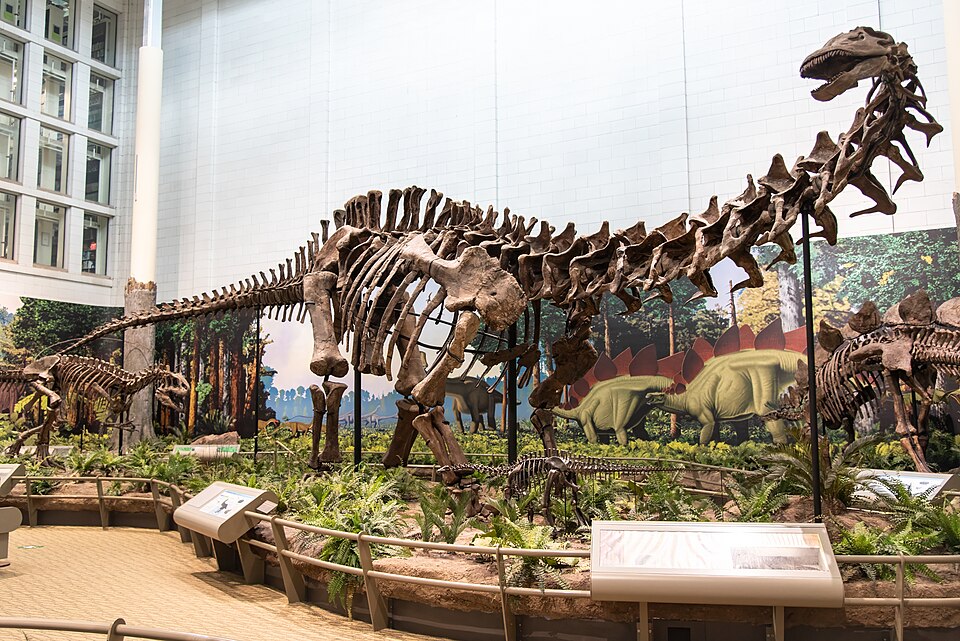
Apatosaurus
A thick neck, large torso and a classification history connected with Brontosaurus. Apatosaurus is a sauropod related to Diplodocus; its naming relationship with Brontosaurus reflects changes in taxonomic research.
Read the guide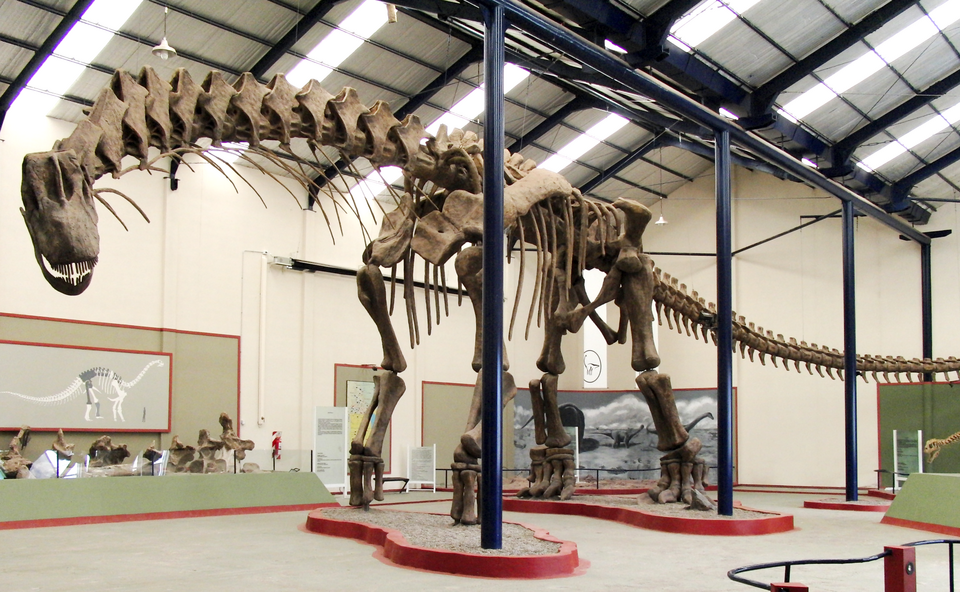
Argentinosaurus
Giant vertebrae reveal immense scale and the limits of estimation. Argentinosaurus is a titanosaurian sauropod discovered in Argentina, known as a very large herbivorous dinosaur.
Read the guide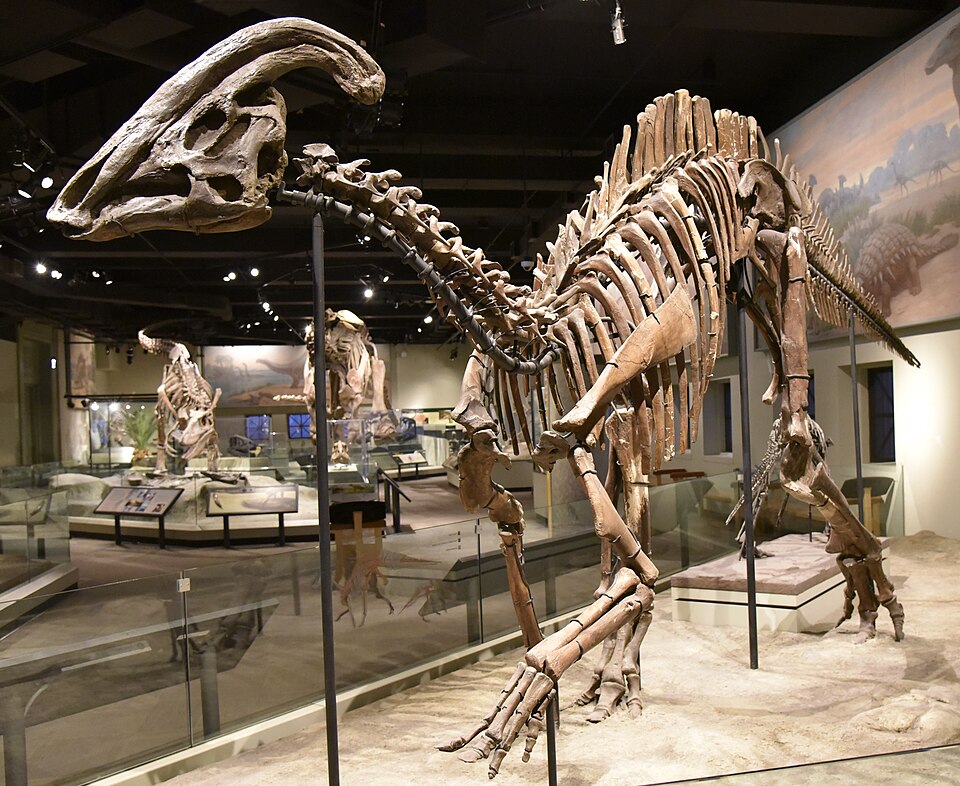
Parasaurolophus
A long hollow crest behind the head and jaws for processing plants. Parasaurolophus was a hadrosaurid ornithischian, a herbivore different from long-necked sauropods.
Read the guide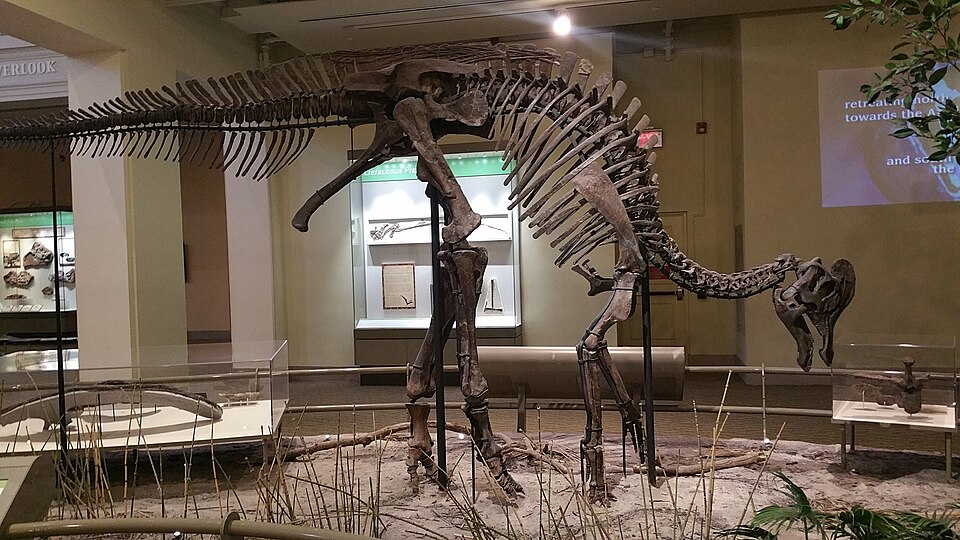
Corythosaurus
Comparing a helmet-like crest with related hadrosaurs. Corythosaurus was a crested hadrosaur interpreted as feeding on plants.
Read the guide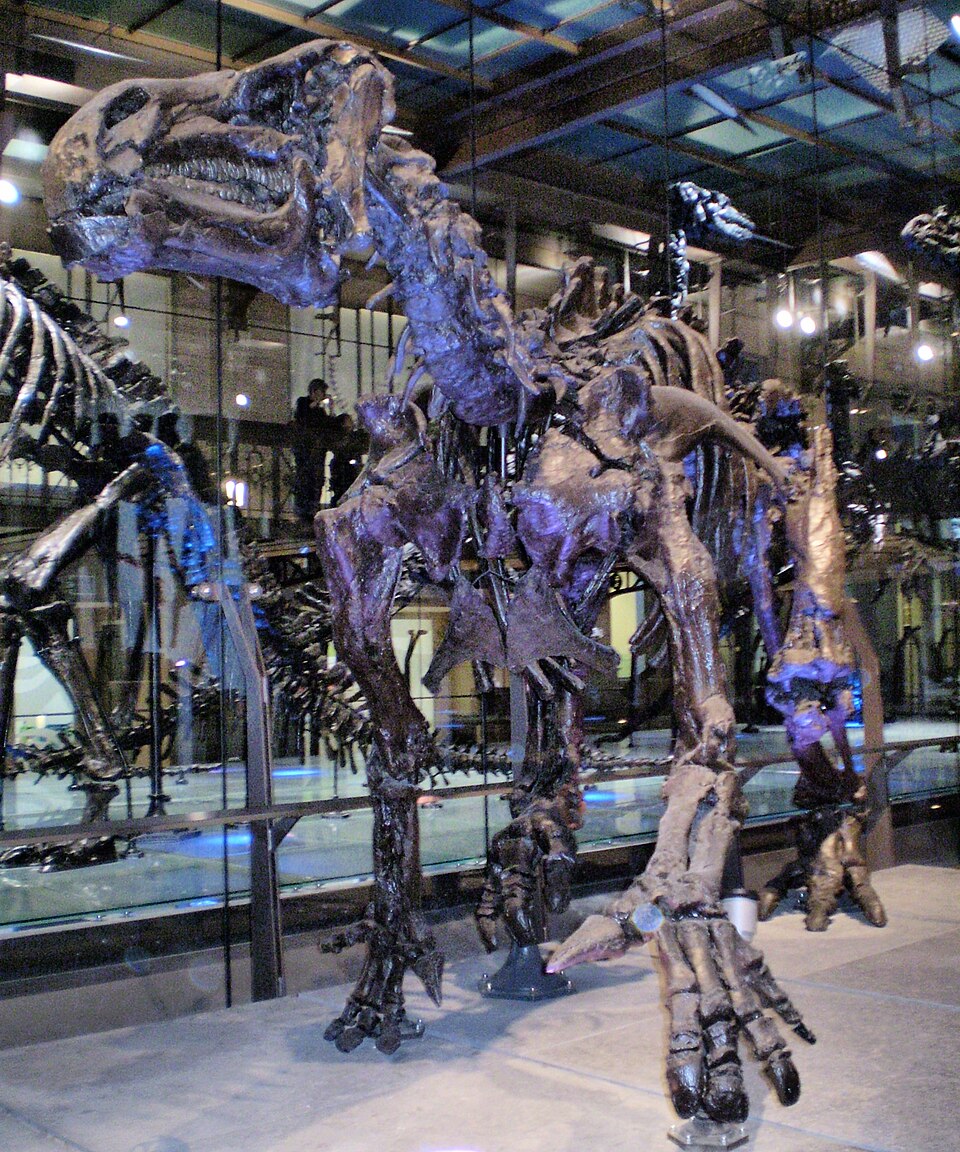
Iguanodon
A thumb spike and reconstruction history reveal how herbivorous dinosaurs are studied. Iguanodon is an ornithopod important in early dinosaur research, with older reconstructions subsequently revised.
Read the guide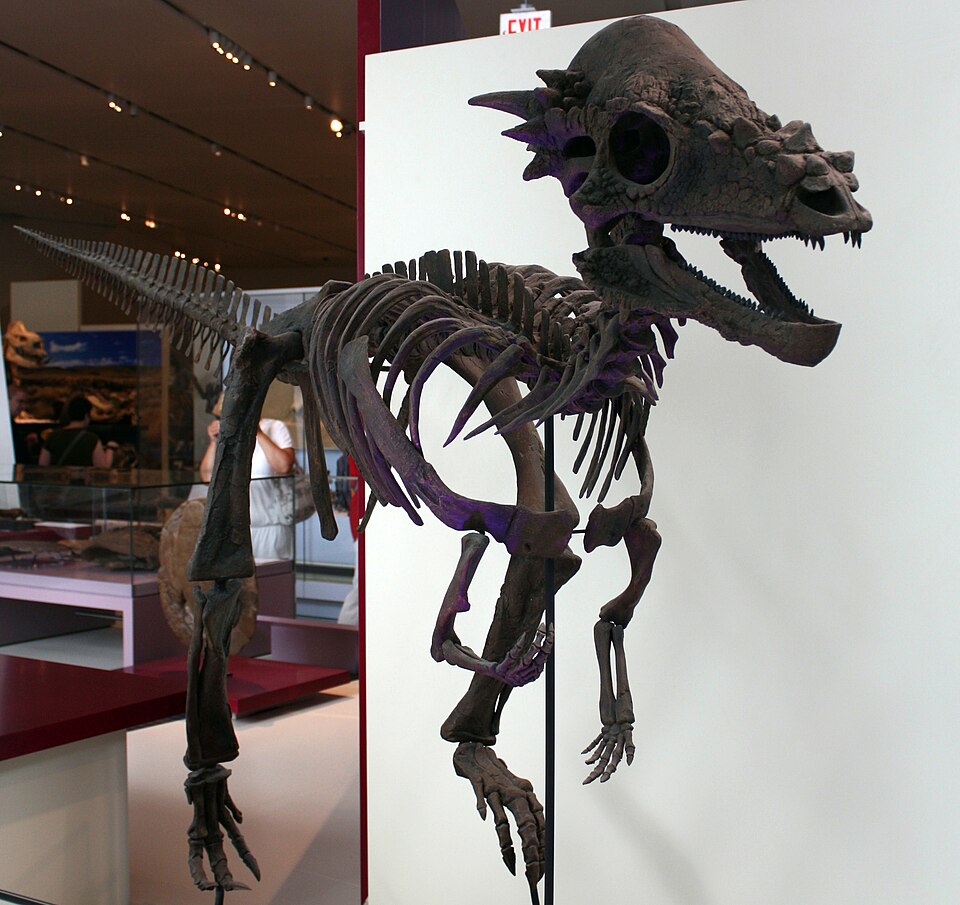
Pachycephalosaurus
Studying the function and growth of a thick-skulled dinosaur. Pachycephalosaurus was an ornithischian with a thick skull, rather than a long-necked sauropod.
Read the guide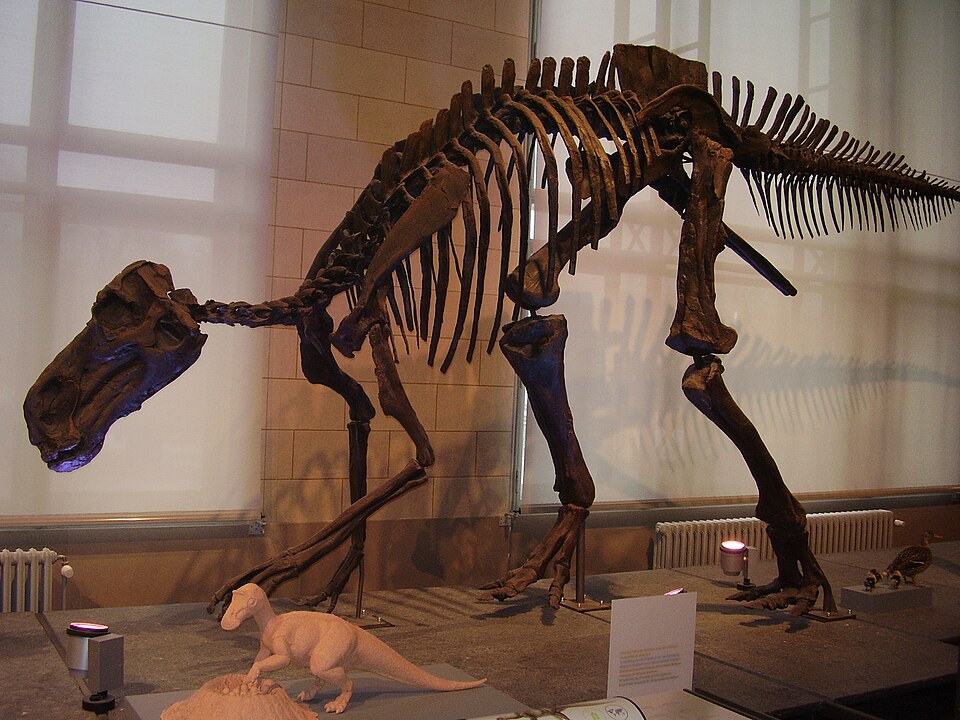
Maiasaura
Nests and fossils of different growth stages provide clues to reproduction. Maiasaura is a hadrosaur known from nests and young individuals, with a name related to interpretations of breeding behaviour.
Read the guide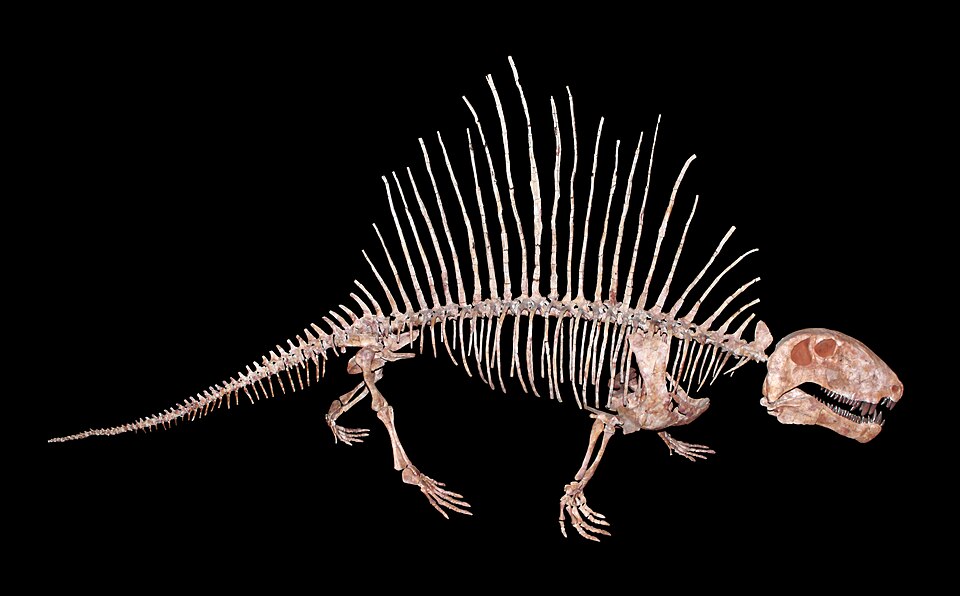
Dimetrodon
A pre-dinosaur synapsid should not be grouped with Spinosaurus merely for its sail. Dimetrodon lived in the Permian and was a distant relative within the broader mammal lineage, rather than a dinosaur or pterosaur.
Read the guide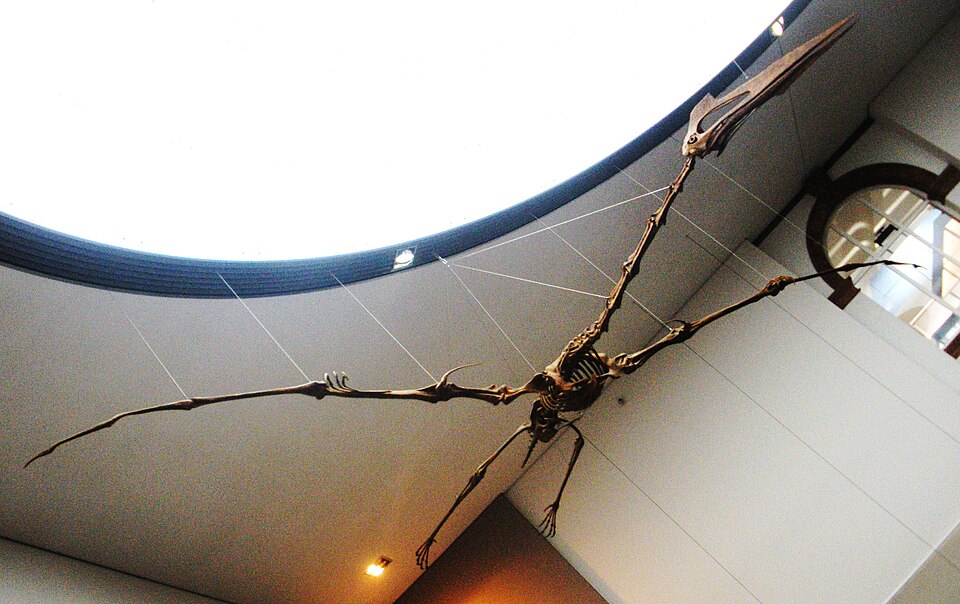
Quetzalcoatlus
A giant azhdarchid pterosaur with a long neck and bill. Quetzalcoatlus is known as a large flying animal, rather than a sauropod dinosaur.
Read the guide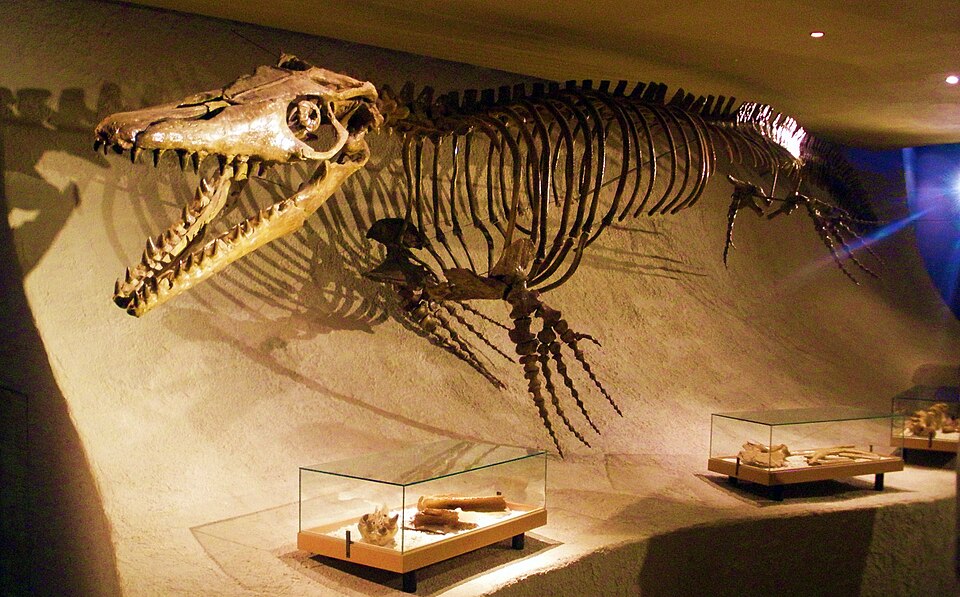
Mosasaurus
Reading jaws and flippers in fossils of a marine reptile rather than a dinosaur. Mosasaurus belonged to sea-adapted mosasaur reptiles, distinct from dinosaurs and modern whales.
Read the guide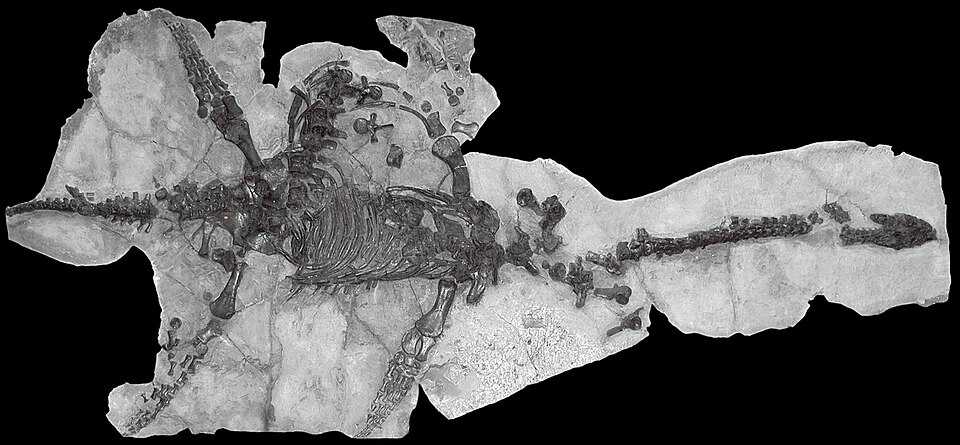
Plesiosaurus
A long neck and four flippers: distinguishing a genus from all plesiosaurs. Plesiosaurus is a genus of marine reptiles, narrower than the entire plesiosaur group.
Read the guide