
Theropods and Dinosaurs Close to Birds
Explore carnivorous theropods, plant-eating lineages and dinosaurs closely related to birds together. These animals did not all share the same food, feathers or flight ability. Distinguish structures confirmed by fossils, ecological inferences and artistic reconstruction.
Published animal profiles
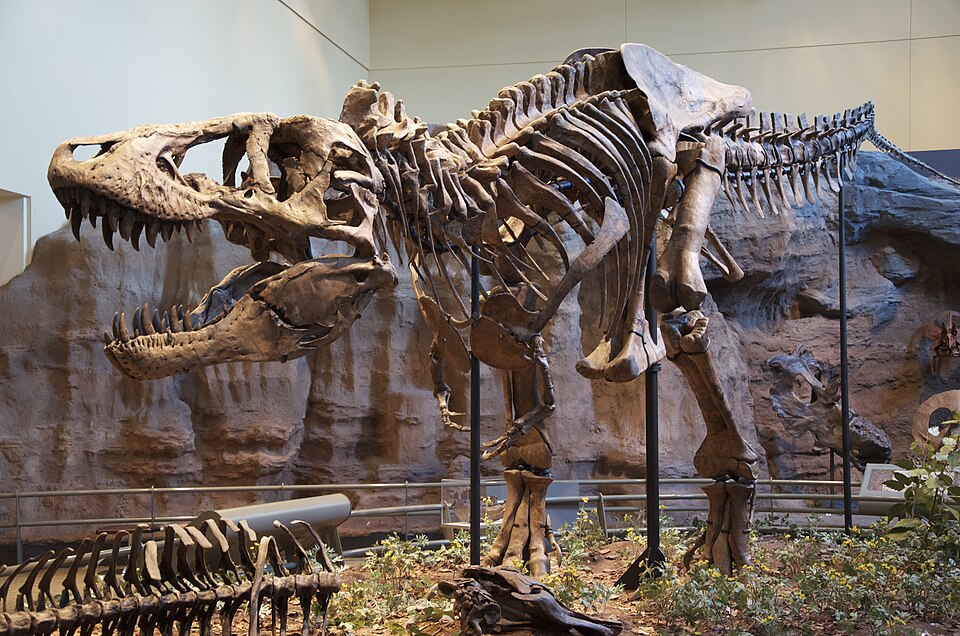
Tyrannosaurus
Reading Tyrannosaurus’s huge jaws and bipedal movement from fossils. Tyrannosaurus rex was a tyrannosaurid theropod living in North America near the end of the Late Cretaceous. Known through bones and teeth from Canada and the United States, it lived at a different time from Jurassic Allosaurus.
Read the guide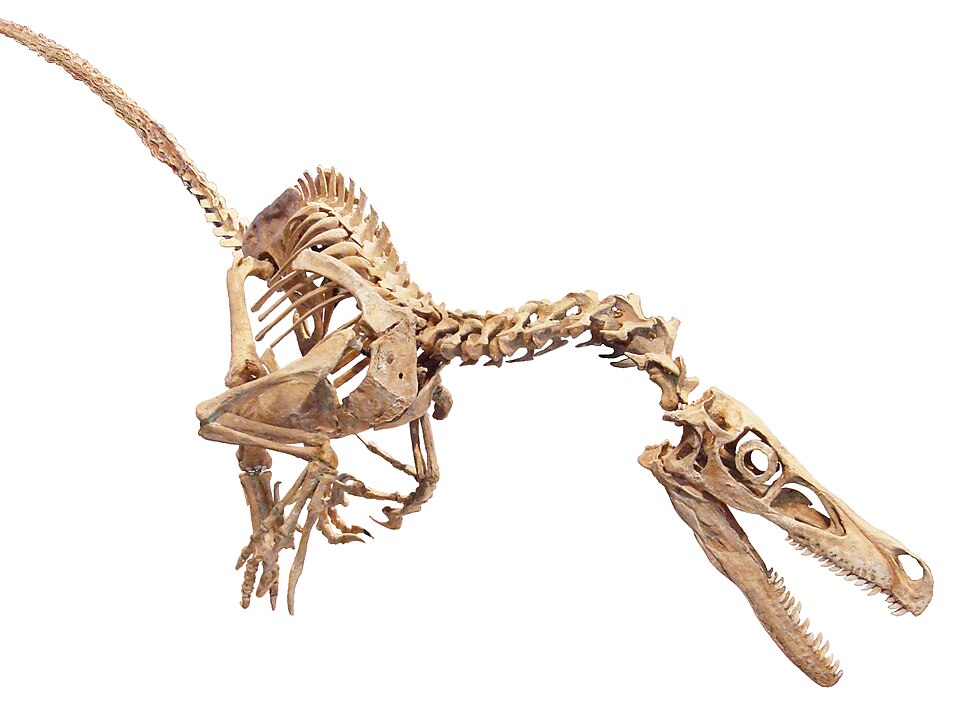
Velociraptor
A small feathered dinosaur whose actual skeleton differs from its film image. Velociraptor was a dromaeosaurid theropod of Late Cretaceous East Asia; Mongolian fossils are important research material, and this page focuses on Velociraptor mongoliensis.
Read the guide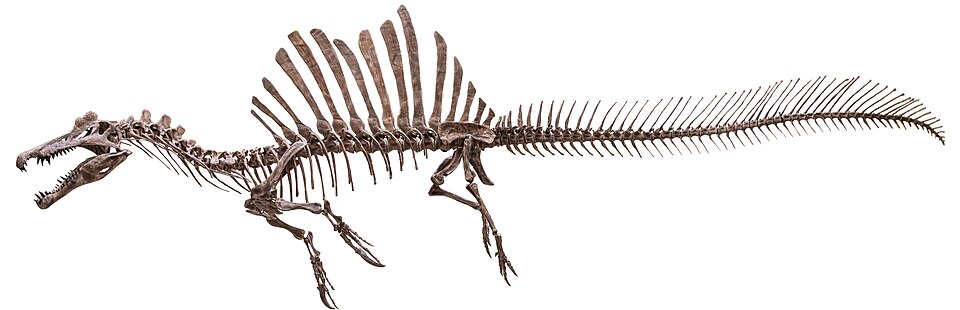
Spinosaurus
A theropod with a long snout and tall back spines, studied for life near water. Spinosaurus was a large North African theropod of the Cretaceous, investigated through fossils from Egypt, Morocco and elsewhere; this page covers Spinosaurus aegyptiacus.
Read the guide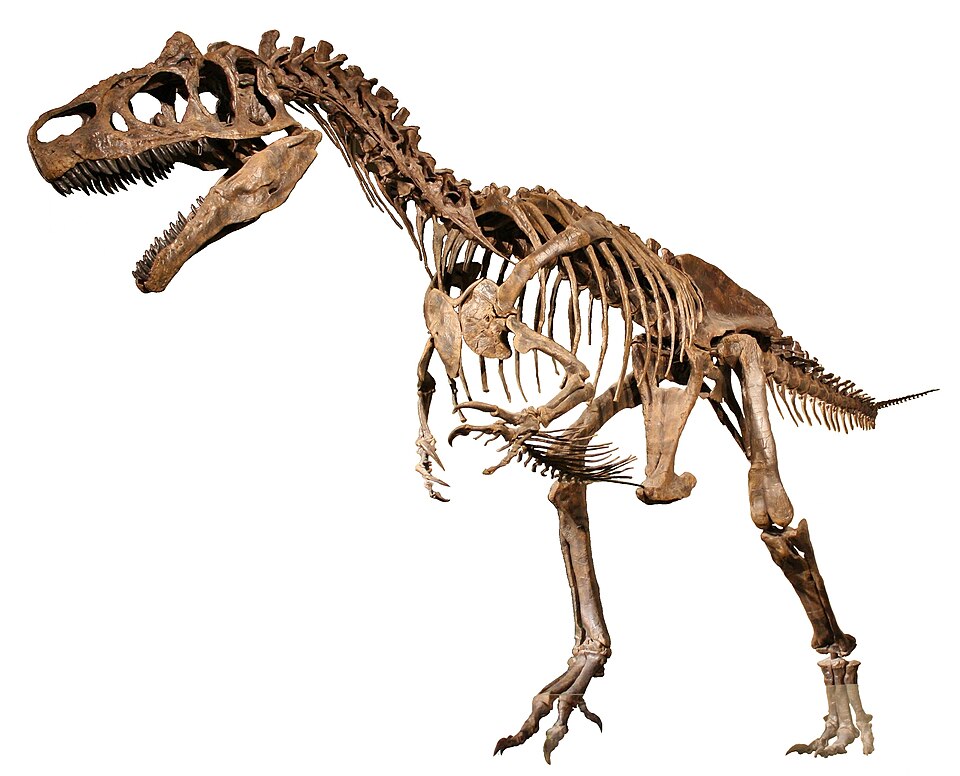
Allosaurus
Reading a Jurassic predator's jaws and three fingers through its skeleton. Allosaurus was a Late Jurassic theropod, a predator from an earlier time than Tyrannosaurus.
Read the guide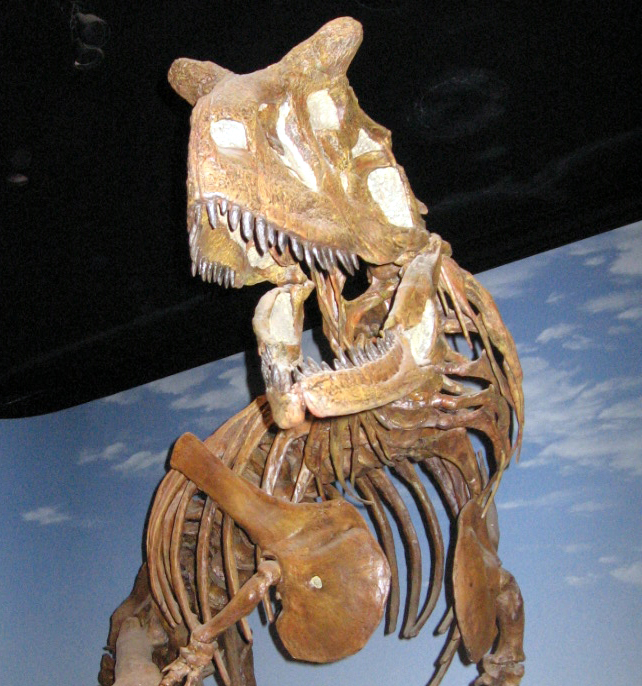
Carnotaurus
A South American theropod with horns above its eyes and preserved skin traces. Carnotaurus was an abelisaurid theropod, rather than a long-necked herbivorous sauropod.
Read the guide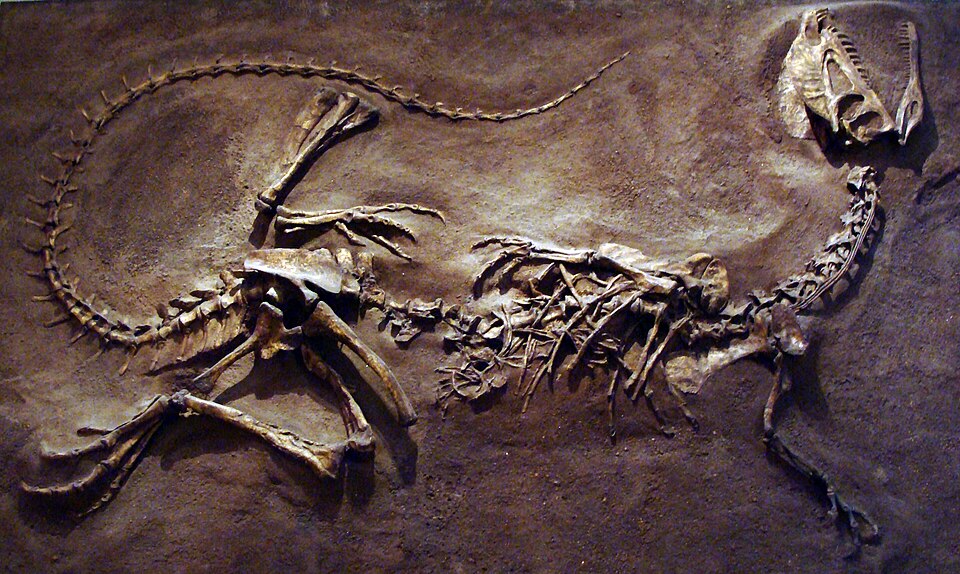
Dilophosaurus
Two crests distinguish an Early Jurassic theropod from fictional film features. Dilophosaurus was named for the crests on its head.
Read the guide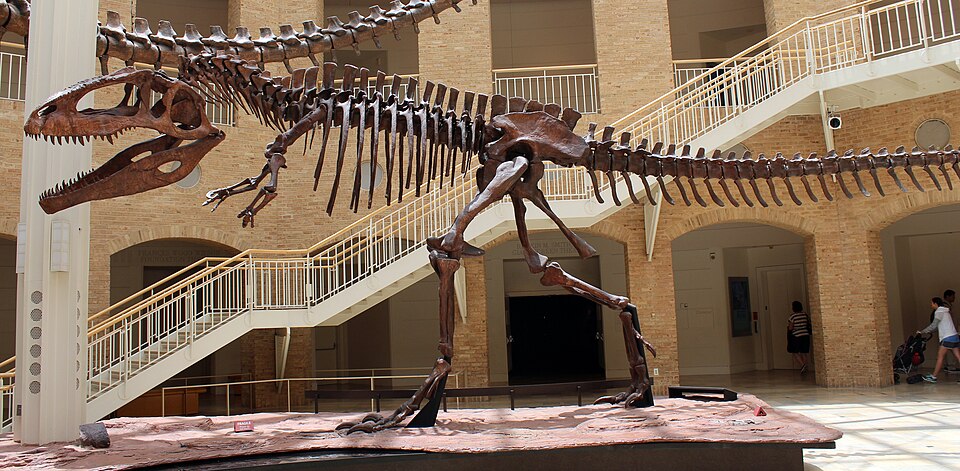
Giganotosaurus
Understanding a predator through specimens and estimation methods before giant-size claims. Giganotosaurus was discovered in Argentina and differs in time and lineage from other similarly sized dinosaurs.
Read the guide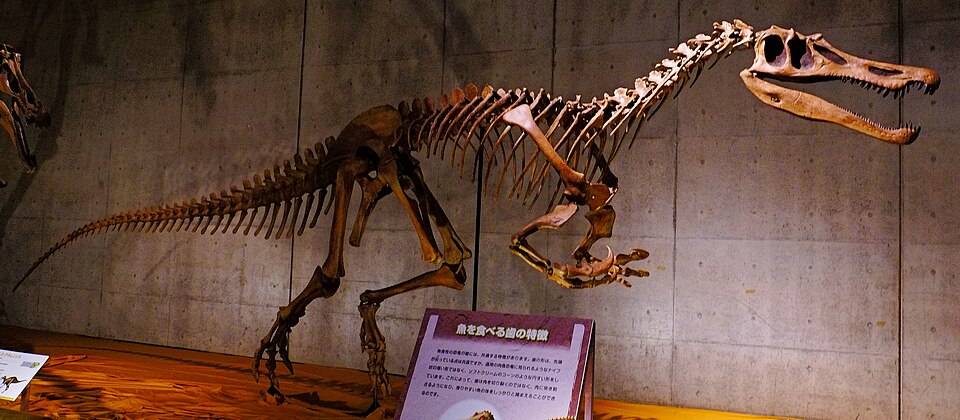
Baryonyx
A theropod with a long snout, large hand claw and preserved food traces. Baryonyx was a spinosaurid; British fossils provide important evidence for its diet and anatomy.
Read the guide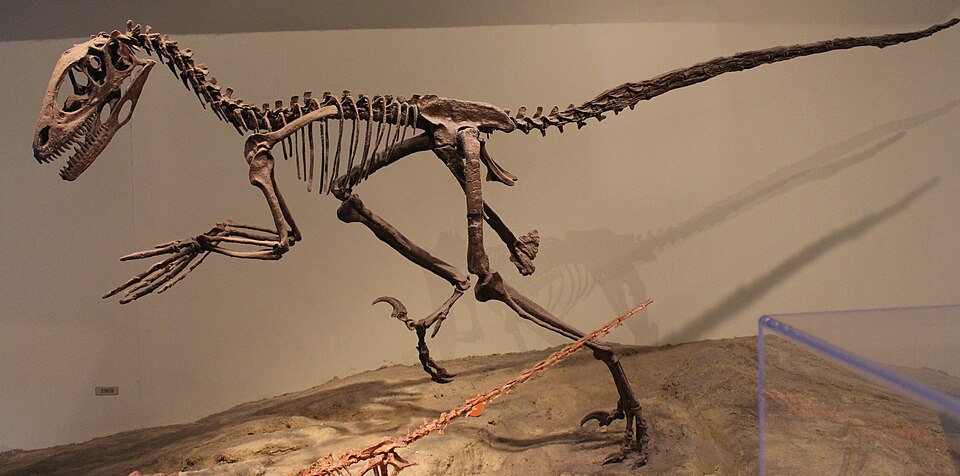
Deinonychus
Understanding a theropod through a large hind claw and balancing tail. Deinonychus was a dromaeosaurid that played an important role in research on dinosaur–bird relationships.
Read the guide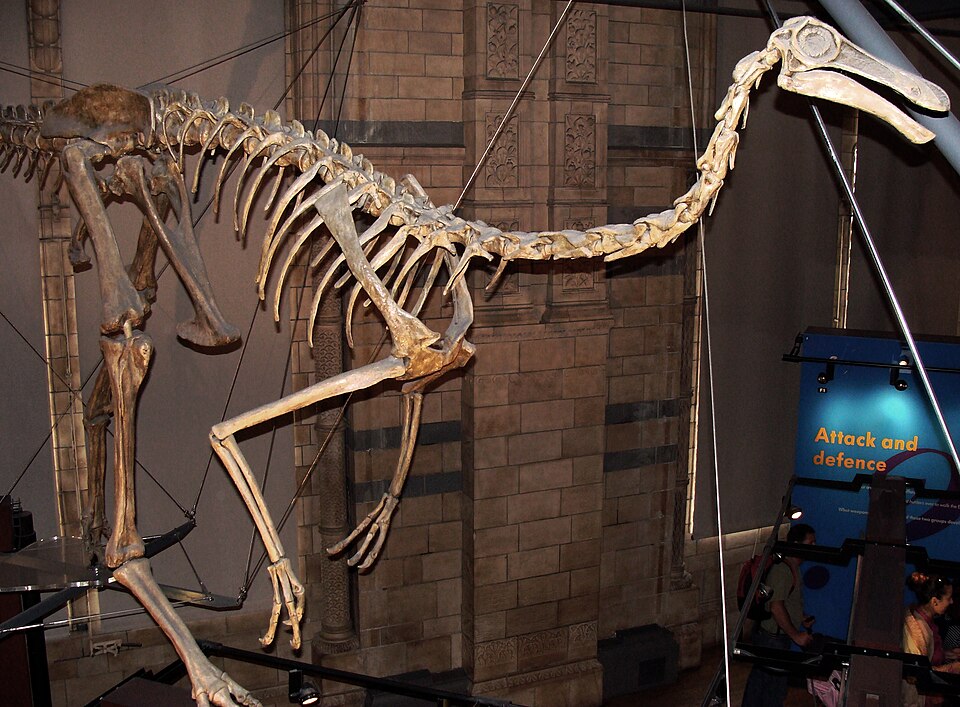
Gallimimus
A Mongolian dinosaur with an ostrich-like outline and toothless bill. Gallimimus was an ornithomimid theropod; the lineage name theropod does not mean every species was carnivorous.
Read the guide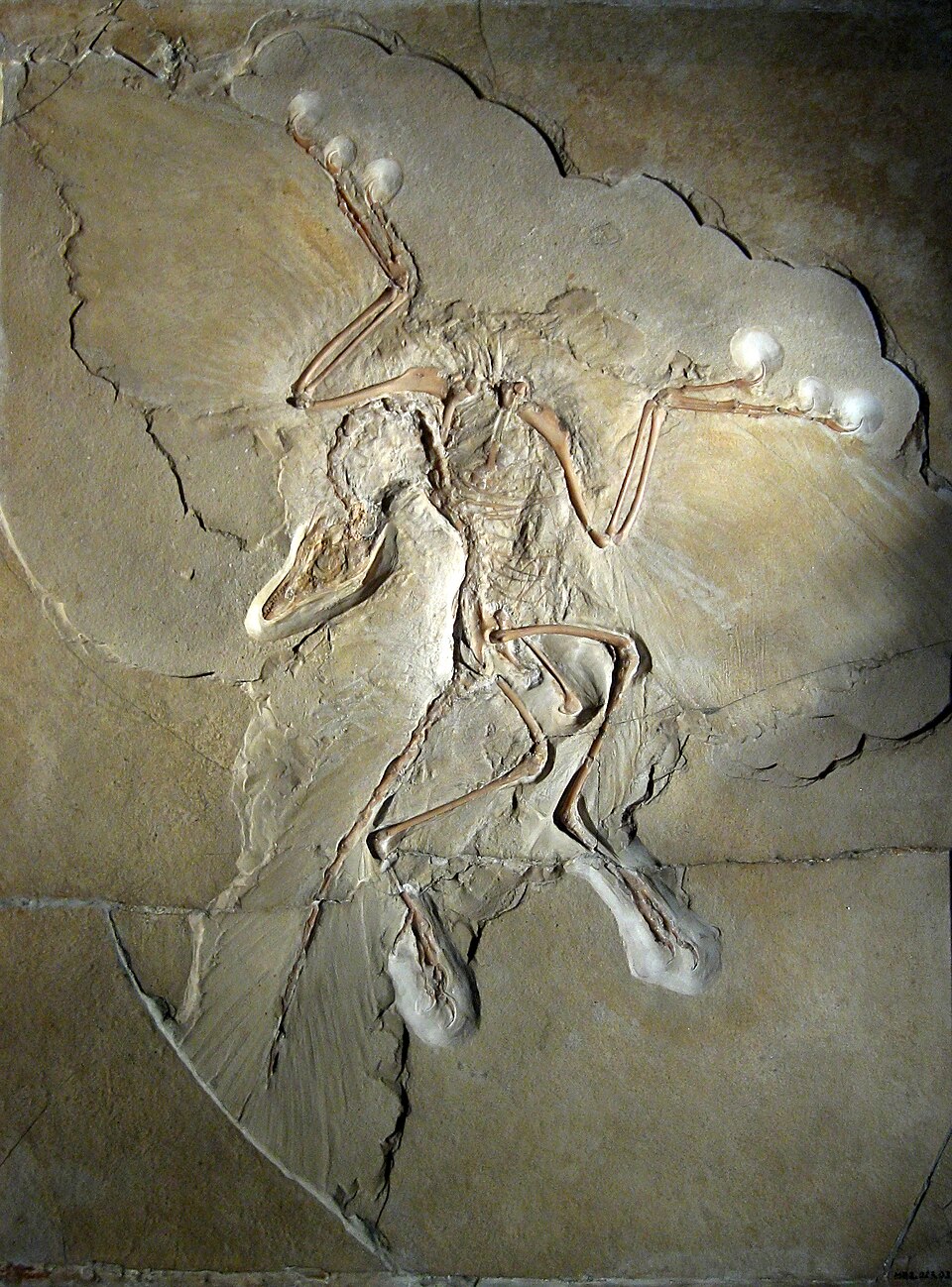
Archaeopteryx
An early bird lineage preserving feathers, teeth and a long bony tail together. Archaeopteryx shows traits of early birds and closely related dinosaur lineages; wings do not place it with pterosaurs.
Read the guide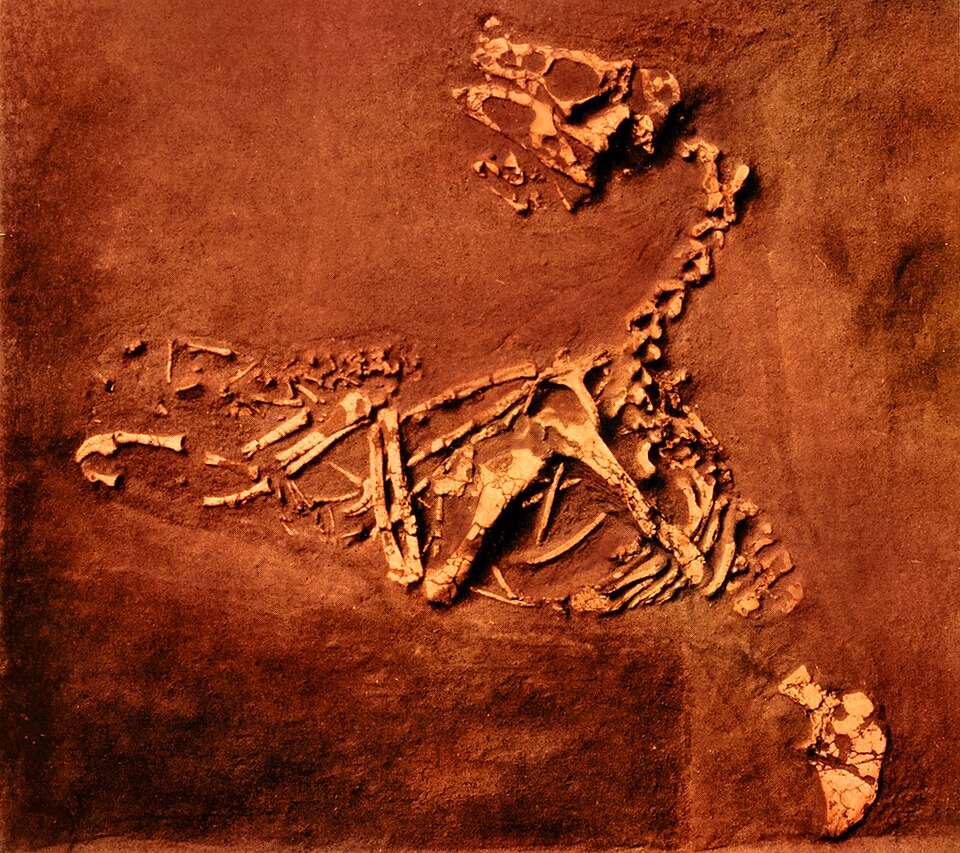
Oviraptor
The name egg thief is separate from the interpretation of nesting fossils. Oviraptor was an oviraptorosaur theropod; its name does not establish egg-stealing behaviour.
Read the guide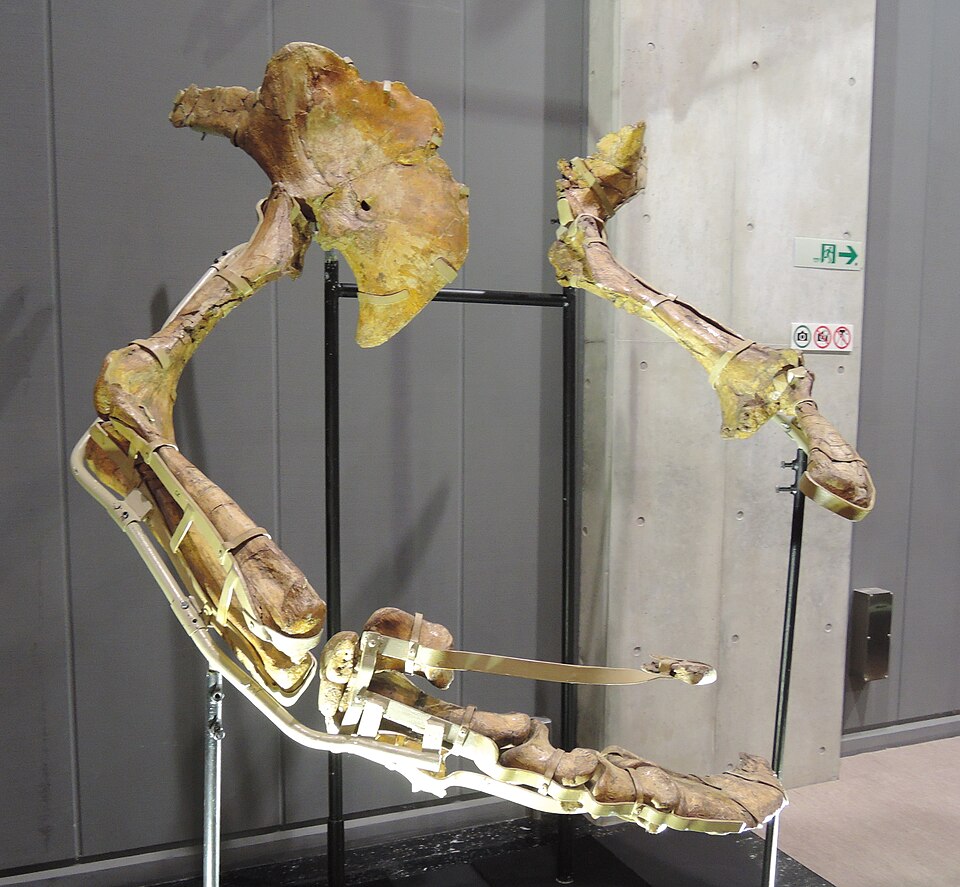
Therizinosaurus
Long claws alone do not establish a carnivorous dinosaur. Therizinosaurus was a theropod in a lineage interpreted as having plant-feeding adaptations; theropod and carnivorous dinosaur are not exact synonyms.
Read the guide